
What Is 18650 4000mAh Lithium Battery and Why Is It Popular?
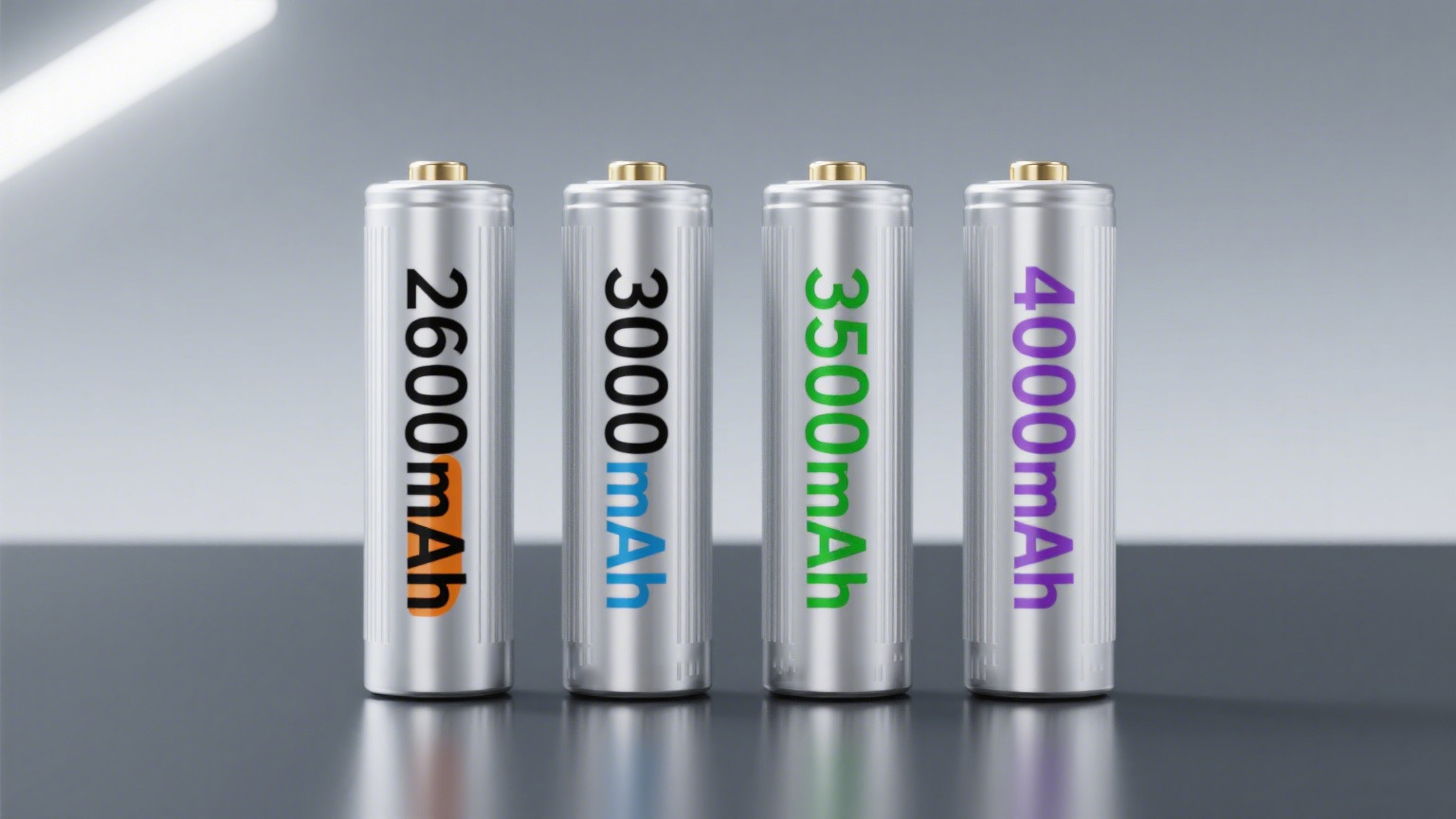
The 18650 lithium battery is a standardized cylindrical cell measuring 18mm in diameter and 65mm in length. It’s widely used in consumer electronics, industrial equipment, and energy storage systems. The 4000mAh label refers to its rated capacity, meaning it can theoretically provide 4A of discharge current continuously for one hour—offering longer runtime than standard 2600mAh or 3000mAh cells.
Thanks to its high energy density, compact size, and broad compatibility, the 4000mAh version is ideal for long-duration applications like flashlights, wireless devices, and portable power sources.

Balancing Capacity and Current: 4000mAh ≠ High Discharge Rate
Many users mistakenly believe that higher capacity means higher discharge current. In reality, most 4000mAh batteries are energy-focused cells designed for extended runtime, not high output. They typically support continuous discharge currents between 6A and 10A, which makes them unsuitable for high-power devices.
Therefore, it’s essential to match battery current output to device requirements. For mid-power devices (10W–30W), a 4000mAh 10A battery is usually sufficient. However, for power-demanding equipment like high-speed motors or electric skateboards, discharge rate should be carefully reviewed.
Safety Considerations: Do You Need Protection Circuit (PCB)?
In real-world use, 18650 batteries can fail due to overcharge, over-discharge, or short circuits. This makes the inclusion of a protection circuit board (PCB) a critical factor. Protected batteries are ideal for standalone applications like flashlights and fans. For battery packs in drones, tools, or multi-cell setups, unprotected cells are preferred, with safety managed by an overall BMS (Battery Management System).
Also, protected cells are slightly longer—typically around 68mm—so ensure your device compartment supports this size.
Buying Tips: How to Choose a Reliable 4000mAh 18650 Battery
When shopping for a 18650 battery, beyond capacity and current, consider these key factors:
- Verify Real Capacity: Some cheap cells falsely claim 4000mAh but only deliver 2000–2500mAh in tests.
- Check Labeling Details: A quality cell has clearly marked polarity, batch numbers, and manufacturer codes.
- Measure Internal Resistance (IR): Premium cells have IR below 80mΩ, crucial for stable performance.
- Watch for Recycled Cells: Unusually cheap prices, sanded terminals, and lighter weights are red flags.
It’s best to purchase from reputable suppliers and avoid unauthorized platforms.
Keywords: fake 18650 capacity, battery identification tips, recycled cell detection

Typical Use Cases and Battery Matching Suggestions
| Application | Recommended Specs | Use Protection Circuit |
|---|---|---|
| High-lumen flashlight | ≥4000mAh, 10A continuous discharge | Yes |
| DIY battery packs | ≥4000mAh, suitable for series/parallel | No (use BMS instead) |
| Wireless devices | ≥4000mAh, 6–8A discharge | Depends on current |
| Energy storage units | ≥4000mAh, focus on cycle life | Depends on BMS design |
Choose based on power demands, current draw, and working temperature. Use a lithium charger with overvoltage protection to prevent overcharging or charging too quickly.
ALT Text: Visual guide to 4000mAh battery usage across different devices
Core Recommendations for Choosing a 4000mAh 18650 Battery
High-capacity 18650 batteries deliver extended runtime for portable power applications, but careful selection is essential:
- Trust verified capacity and specifications.
- Match discharge current to your device’s needs.
- Use protection circuits for standalone cell safety.
- Avoid suspiciously cheap or unlabeled products.
- For bulk use, always test a sample batch first.
By balancing capacity, current, safety, and supplier reliability, you’ll ensure both optimal performance and cost efficiency.
Leave a Reply