
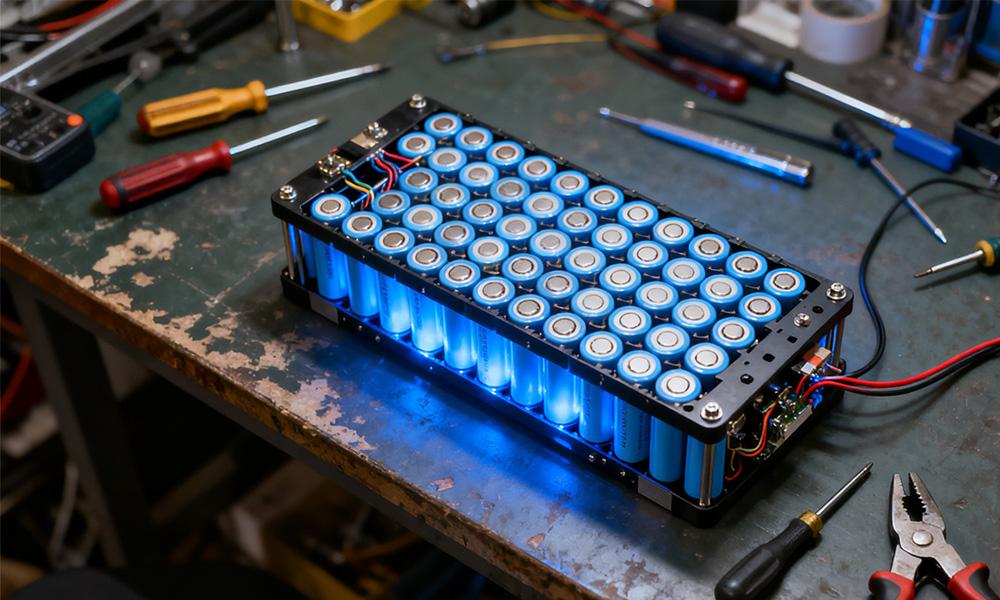
Why 20s 3.7V 18650 Battery Packs Matter
When you’re dealing with serious power demands—think electric bikes, portable power stations, or custom-built projects—a 20s 3.7V 18650 battery pack often comes up in discussions. To break it down simply, “20s” means 20 cells connected in series, each cell rated at 3.7V. Do the math, and you’re looking at a nominal voltage of around 74V. That’s not your everyday AA-battery type of setup.
People like these packs because they sit at a sweet spot between energy density and flexibility. You can configure them for higher capacity by stacking cells in parallel, or keep them lean for applications where weight matters more than runtime.
Where You’ll See Them in Action
Take electric bikes, for example. A 20s 3.7V pack gives enough push to handle hills without the motor feeling starved for power. Riders who switch from smaller packs often describe the difference like going from a weak laptop charger to a proper fast-charger—suddenly, everything feels smoother and more responsive.
In solar storage setups, these packs also shine. Pairing them with an inverter means you’ve got a backup power source that can keep lights, routers, or even a small fridge running during outages. One DIY builder mentioned that his 20s pack helped him bridge the gap during a storm when the grid went out for nearly half a day.

The Practical Side: Building or Buying
Now, let’s be real—putting together a 20s 3.7V 18650 battery pack isn’t as simple as stacking Lego blocks. You’re dealing with high voltage, which means safety comes first. A proper Battery Management System (BMS) is a must. Without it, cells can drift out of balance, leading to reduced lifespan or even hazards.
Builders often struggle with choosing nickel strip thickness, spot welding quality, and insulation. One small mistake—like uneven pressure during welding—can cause weak joints that fail under load. On the other hand, buying a pre-assembled pack can save headaches, but then you need to pay close attention to specs, ensuring the pack matches your controller and charging setup..
What to Watch Out For
Not all cells are created equal. Some 18650s are designed for high-drain applications, while others prioritize capacity. Mixing cells is a rookie mistake that leads to imbalance issues. Think of it like putting old and new tires on the same car—yes, it’ll move, but you’re setting yourself up for uneven wear and possible failure.
Another common oversight is underestimating cooling. High-demand setups can heat up quickly, and without proper airflow or spacing, packs degrade faster. A builder once joked that his first DIY pack doubled as a hand warmer, which sounds funny until you realize how much performance he lost due to heat stress.

Final Thoughts
A 20s 3.7V 18650 battery pack is not just another technical spec—it’s a foundation for projects that demand reliable, long-lasting energy. Whether you’re upgrading an e-bike, experimenting with solar power, or just diving into DIY builds, the pack offers flexibility with a fair share of challenges.
Approach it with patience, do your homework on safety, and don’t cut corners. When built or chosen right, these packs can turn ambitious ideas into everyday reality.
Leave a Reply