
So, it’s 2026, and drone batteries… I don’t know, the market’s moving faster than I thought. You think you have a handle on things, and then bam, some new tech shows up, and it changes everything. It’s kind of frustrating, but also… you have to stay on top of it, right? Because honestly, the battery—yeah, the battery—is what makes or breaks a drone. If you get that wrong, you might as well forget about it. Short flight times, long recharge cycles, poor performance. I mean, no one’s buying that.
But anyway, here’s what I think we should be paying attention to in 2026. If you’re a buyer, or even just looking to understand the market a bit better, you’ll want to know these things.

1. Longer Flights, Longer Battery Life: Endurance is Everything
We’ve all heard it, right? “More battery life.” I get it, it’s an old complaint. But in 2026, it’s not just a nice-to-have. It’s a must. With the way industries like agriculture and logistics are growing, drones need to fly longer, stay out in the field longer, and do more without stopping. No one has time for a drone that can barely make it through a mission. The market’s demanding it. If your battery doesn’t deliver that, you’re behind.
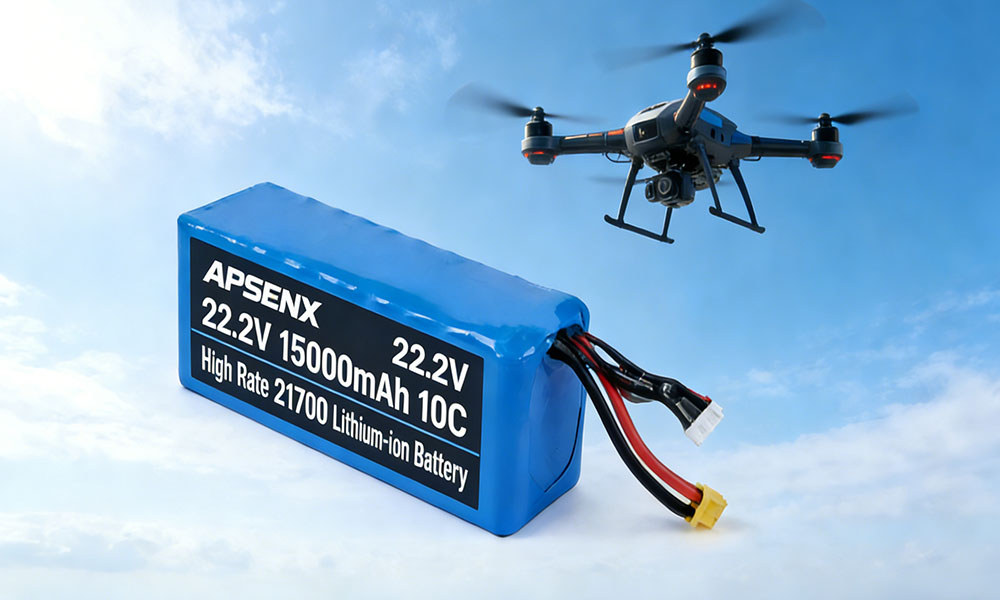
Take APSENX’s 22.2V 15000mAh 10C High-Rate 21700 Li-ion Battery. It’s one of those batteries that just… works. It has the capacity to handle the longer flights, the high-power needs, especially for heavy-duty tasks. It’s designed for high-load missions, where you need reliable performance. If you’re looking for something that’ll give your drones the power to fly longer and handle bigger loads, this battery fits. But yeah, it’s not the cheapest out there, which… well, that’s always the case with batteries that actually perform.
2. Weight vs. Power: The Never-Ending Tug-of-War
Here’s where it gets tricky. Weight. It’s always been a problem. Everyone wants a light drone that can fly quickly and efficiently. But, and here’s the kicker—light batteries usually don’t have the best energy density. And if you want your drone to fly long and perform well under load? Well, it can’t just be all weight saving. That’s a fine line to walk.
For instance, APSENX’s High-Rate 21700 Li-ion Battery? It’s relatively light for its capacity, but it doesn’t sacrifice performance for weight. It gives you that balance where it’s still easy enough to handle but powerful enough to do the job. Not all batteries are like that, though. A lot of light batteries fall short on performance when you push them too hard. So, you really have to think about what’s more important—weight or performance? And honestly, it’s about balance. Always is.
3. BMS: Why You Shouldn’t Skip This
Okay, here’s one I really didn’t pay enough attention to in the past. Battery management systems (BMS). If you don’t get this part right, you’ll regret it. Some batteries just have it, and others don’t. I learned that the hard way. No BMS? Your battery overheats, it doesn’t last as long, and you end up with poor performance overall. It’s just a headache.

APSENX’s BMS system in their batteries is a life-saver. I mean, it does what you expect—it keeps the battery safe, balanced, and ensures you don’t run into charging problems or overheating issues. It’s just one of those things you can’t ignore. It’s not always visible on a spec sheet, but it makes a huge difference. If your battery doesn’t have a good BMS, honestly, I’d steer clear. Safety first.
4. Solid-State Batteries: They’re Not There Yet, So Chill
Everyone’s talking about solid-state batteries, right? They sound amazing. More energy, safer, no leaks—what’s not to love? The issue? Well, they’re still not quite there yet. They’ve been in the works for a while, and yeah, the technology is getting better, but for now, they’re not mainstream enough to be the go-to option. I wouldn’t bank on solid-state just yet.
For 2026, you’ll still be dealing with liquid lithium batteries. And honestly, that’s okay. They’re proven. They get the job done. Solid-state is cool and all, but it’s not going to take over the market anytime soon. So, don’t let all the hype fool you—unless you’re on the cutting edge, stick with what works.
5. Custom Needs: Not All Drones Are Created Equal
Another thing that’s becoming clear: drones are different. What works for one use case might not work for another. You can’t just slap the same battery on every drone and call it a day. Whether it’s agriculture, delivery, or industrial, each application has its own needs.
For example, APSENX’s high-rate 21700 lithium battery is great for drones that need to carry heavy loads or have high power demands. But not every drone needs that. Some drones need more endurance, some need raw power. It’s all about what your customer requires, and the more you understand their specific needs, the better you can match the right battery.

6. Eco-Friendly Batteries: It’s Gonna Matter More and More
The environment. Yeah, yeah, I know. But seriously—more and more industries are shifting toward sustainable practices, and drones are no exception. In fact, eco-friendly batteries are going to become the norm soon enough. It might cost more now, but in the future? It’s going to matter. Not to mention, regulations are only going to get stricter.
So, if you’re thinking about battery procurement, don’t forget the green angle. It’s not just about the price—it’s about the future. And companies that can offer eco-friendly options are going to stand out. Not saying you should only focus on that, but definitely keep it on your radar.
Conclusion: Getting Ready for 2026
2026 is coming fast, and the drone battery market is changing quicker than ever. Buyers have to keep an eye on performance, safety, endurance, and even things like customization and sustainability. If you want to stay ahead, you need to be prepared. Know your stuff, and don’t be afraid to ask questions about what’s really going into your batteries.
Something like APSENX’s 22.2V 15000mAh 10C High-Rate 21700 Li-ion Battery is probably going to be essential for the types of tasks drones will be doing in the coming years. Don’t wait too long to get ahead of the curve. The market’s moving fast, and if you’re not paying attention, you might get left behind.


Leave a Reply