
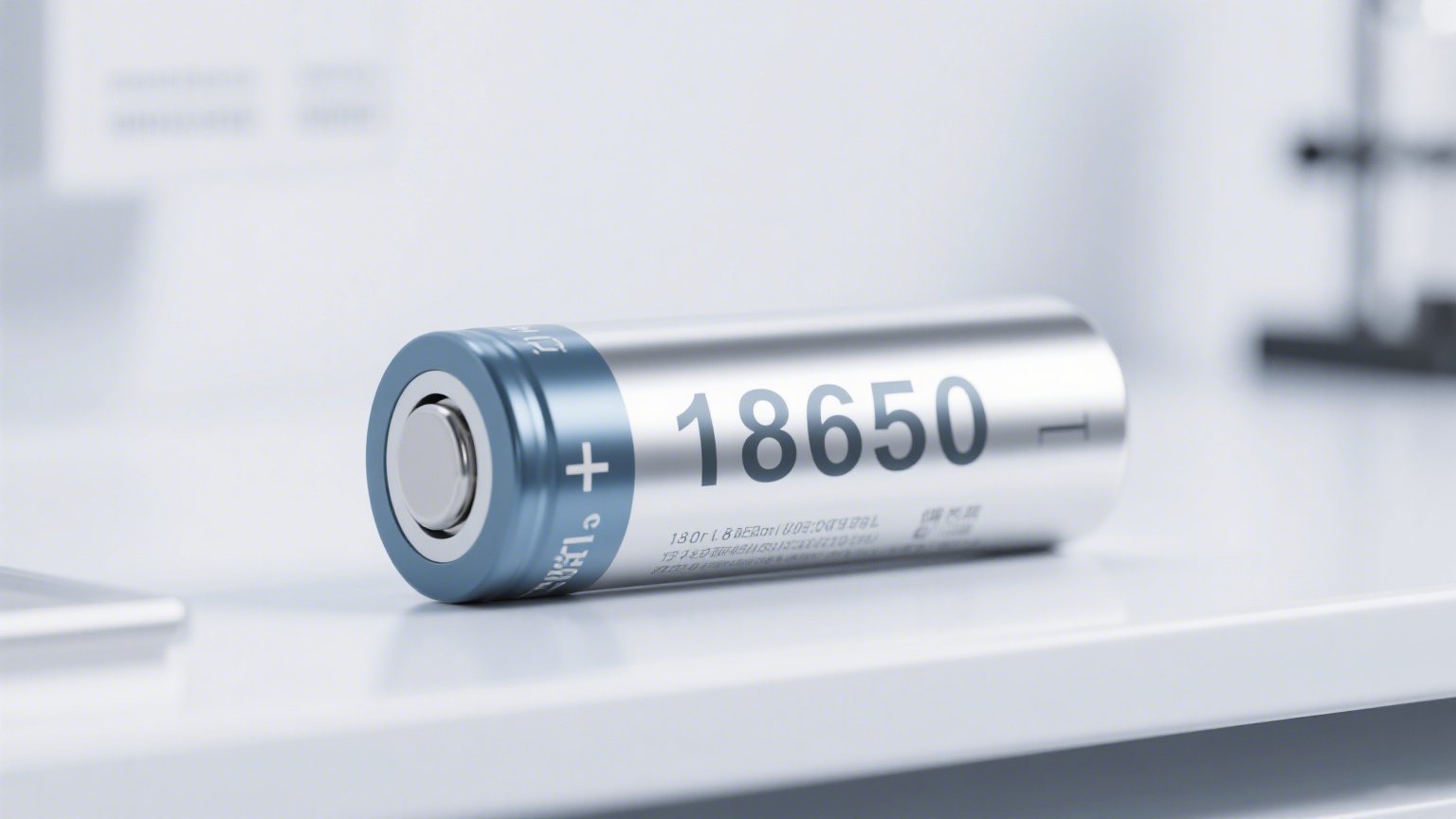
Honestly, in portable electronics and small energy storage, the 18650 cylindrical cell is everywhere. You’ll find it powering laptops, power banks, even small energy storage packs. Why? Mature technology and solid performance. I’ve messed around with a bunch of these cells, and the more you use them, the more you appreciate the reliability. Understanding their features, where they work best, and how to pick them can really save you from headaches when sourcing or designing devices.
18650 Cylindrical Cell: Definition and Basic Structure
So, 18650… the name literally comes from the size: 18mm in diameter, 65mm long. It’s a rechargeable lithium-ion battery, using intercalation compounds for the cathode and anode.
Inside, you’ve got:
- Cathode: Usually lithium cobalt oxide or lithium manganese oxide. Some variations exist, but that’s the core.
- Anode: Typically graphite. I’ve seen how slight changes in graphite quality can affect performance—small difference, big impact.
- Separator: Keeps electrodes apart but lets lithium ions pass. Crucial to avoid short circuits.
- Electrolyte: Conducts lithium ions. Think of it as the highway for the ions.
- Metal casing: Protects everything and gives it structure.
I always notice, when you hold one, it just feels solid. The standard dimensions and refined manufacturing make it fit a wide range of devices, and honestly, that’s why it’s a classic in the battery world.

Key Advantages of the 18650 Cylindrical Cell
Mature and Stable Technology
I have to say… years of development have really polished this cell. High yield rates, consistent performance. You grab one from a reputable brand, and you pretty much know what you’re getting. It’s like comfort food for engineers—reliable and predictable.
Significant Cost Advantage
Mass production brings costs down. Compared to newer, fancy cell types, 18650 is cheaper. If you’re working on budget-sensitive projects, it’s a no-brainer. I’ve had clients get surprised by how affordable decent 18650s can be.
Strong Dimensional Compatibility
Standardized size = easier battery pack design. I can’t stress enough how much time this saves when designing compact electronics. When space is tight, having a predictable cell size is huge.
Versatile Across Applications
From low-power gadgets to medium-power tools, these cells handle a lot. I’ve thrown them into flashlights, small drills, and even DIY energy storage packs—they just adapt.
Performance Specifications
Cycle Life: With decent care, 500–1000 cycles. Some make it longer if you’re gentle. I usually advise not pushing max current continuously to extend life.
Capacity Range: Typical 18650s go 1800mAh to 3500mAh, some hit 3800mAh. You can connect them in series or parallel to get the voltage or capacity you need. I’ve done packs for both e-bikes and portable power stations this way—works every time.
Voltage Specs: Nominal 3.7V, fully charged 4.2V, cutoff around 2.75V. I always remind people—don’t push them lower than cutoff. Seen cells get damaged that way.
Discharge Rate: Standard cells = low discharge, fine for small devices. High-discharge variants = instant current for drills, drones, etc. I actually tested one in a drone, and the difference was night and day during rapid ascent.

Wide Range of Applications
Consumer Electronics: Laptops, power banks, e-cigs, flashlights… all classic uses. Long runtime, compact.
Compact Power Tools: Electric screwdrivers, drills. High-discharge 18650s shine here—they deliver that instant juice you need at startup. I’ve seen cheap cells lag and motors just stall—annoying.
Smart Home Devices: Smart locks, wireless cameras… low-power but need long operational cycles. 18650s are perfect.
Energy Storage Systems: String a bunch in series/parallel, and you have a small home energy pack or outdoor power supply. I’ve wired a few DIY setups—fun to see how flexible they are.

Guidelines for Selection and Use
Brand and Certification: Go for UL, CE, RoHS. It matters. You can skip them if it’s a one-off test, but for production? Don’t.
Performance Matching: Capacity, discharge rate, voltage—make sure they suit your device. I’ve made the mistake of overbuying capacity before… wasted money and space.
Consistency Testing: Bulk purchases? Ask for consistency reports—capacity and voltage readings. Pack stability depends on it.
Proper Charging: Compatible charger, voltage under 4.2V, cutoff above 2.75V. I once fried a batch by leaving them on a fast charger too long… rookie mistake.
Storage Conditions: Cool, dry, away from humidity. If not using, keep 40–60% charged. I store my test cells this way—keeps them happy.
Safety Precautions: No crushing, impact, or short circuits. Swelling, overheating—stop using immediately. I’ve seen one cell puff like a tiny balloon… scary, but it’s a good reminder.
Honestly, the 18650 cylindrical cell is a backbone of the lithium battery market. Stable, versatile, cost-effective… can’t beat it for a wide range of applications. If you’re sourcing or tinkering, understanding these points will save you headaches.
Leave a Reply