Category: Battery Knowledge Hub

  • The composition of lithium battery and how to produce it?

    The composition of lithium battery and how to produce it?

    Lithium-ion batteries are at the heart of modern electronics, powering everything from smartphones and laptops to electric vehicles. Understanding how these batteries work and how they’re made can give you a better appreciation of the technology behind your devices.

    Key Components of a Lithium-Ion Battery

    A typical lithium-ion battery cell is made up of several essential components:

    • Anode: The negative electrode, usually made of graphite or other forms of carbon.
    • Cathode: The positive electrode, commonly made of metal oxides like lithium cobalt oxide (LCO) or lithium iron phosphate (LFP).
    • Separator: A thin, porous membrane that sits between the anode and cathode to prevent short circuits.
    • Electrolyte: A chemical solution that allows lithium ions to move between the electrodes during charging and discharging.
    • Current Collectors: Conductive plates that connect the electrodes to the battery terminals, allowing current to flow in and out of the cell.

    When the battery charges, lithium ions move from the cathode through the electrolyte to the anode, where they are stored. During discharge, the ions move back to the cathode, producing a flow of electrons—and that’s how electricity is delivered to your device.

    The exact structure and materials can vary depending on the application. For instance, some batteries use different cathode or anode materials to improve energy density, power output, or lifespan.

    How Lithium Batteries Are Produced

    The production of lithium batteries is a complex process involving several precise steps:

    1. Raw Materials: Essential materials include lithium carbonate, cobalt, nickel, and manganese. These must meet strict purity standards.
    2. Mixing: Raw materials are combined in specific proportions to form a slurry that will become the electrodes.
    3. Coating: The slurry is coated onto aluminum or copper foil to create the positive and negative electrodes.
    4. Assembling: The coated electrodes are assembled into a cell along with the separator, electrolyte, and current collectors.
    5. Sealing: The cell is sealed to prevent electrolyte leakage and protect the electrodes from external factors.
    6. Testing: Each battery undergoes rigorous tests to ensure it meets specifications for capacity, voltage, and safety.
    7. Packaging: Finally, the batteries are packaged and prepared for distribution and transportation to end users.

    It’s important to note that the process may vary depending on the battery type, size, and manufacturer. Some companies have proprietary methods that optimize performance, efficiency, or safety.

    Understanding both the components and production process of lithium-ion batteries helps explain why they are so reliable, powerful, and widely used in modern technology. Whether it’s a smartphone, electric scooter, or energy storage system, these batteries are what keep our devices running efficiently.

  • The Power Behind Your Devices: Exploring the 3.7V Lithium Ion Battery

    The Power Behind Your Devices: Exploring the 3.7V Lithium Ion Battery

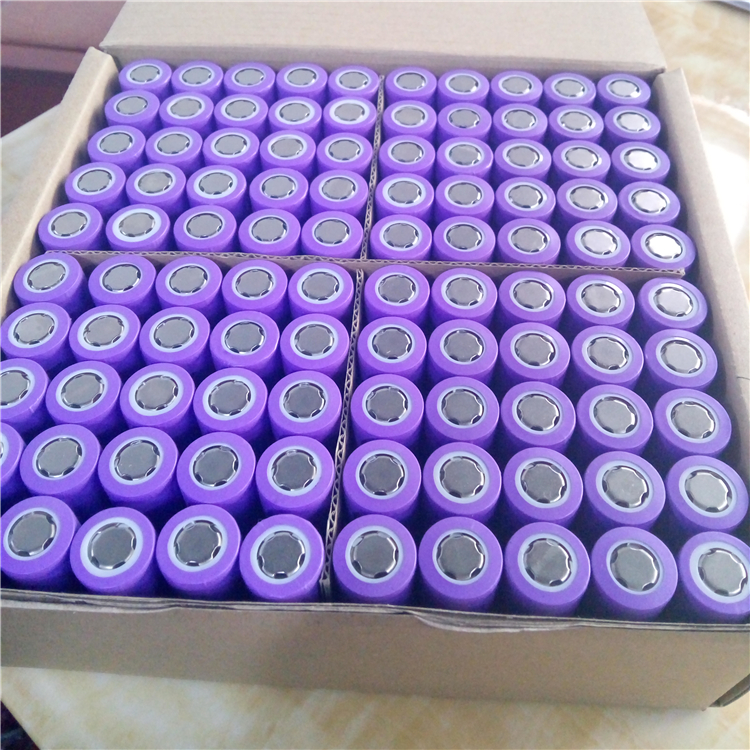
    Lithium-ion batteries have become an essential part of our daily lives. From smartphones and laptops to electric vehicles and power tools, these batteries keep our technology running smoothly. One type that has become especially popular in recent years is the 3.7V lithium-ion battery. Let’s take a closer look at how it works and why it’s so widely used.

    How the 3.7V Lithium-Ion Battery Works

    A 3.7V lithium-ion battery is rechargeable and uses lithium-ion technology to store and release energy. Its nominal voltage is 3.7 volts, which is slightly higher than other lithium-ion types like 3.6V or 3.2V batteries.

    Inside the battery, you’ll find a cathode, an anode, and an electrolyte. The cathode is usually made of lithium cobalt oxide (LCO) or lithium manganese oxide (LMO), while the anode is typically graphite. The electrolyte—a liquid or gel containing lithium salts—helps lithium ions move between the cathode and anode during charging and discharging.

    When you charge the battery, lithium ions travel from the cathode to the anode and are stored in the graphite. When the battery discharges, the ions move back to the cathode, releasing energy to power your device.

    Advantages of 3.7V Lithium-Ion Batteries

    • High Energy Density: Stores a lot of power in a small, lightweight package—perfect for portable devices.
    • Low Self-Discharge: Retains charge for longer periods, ideal for backup power or devices used occasionally.
    • Long Lifespan: Can be charged and discharged hundreds of times without significant performance loss, making it cost-effective.
    • Higher Voltage & Power: Compared to 3.6V and 3.2V batteries, it can deliver more energy to high-demand devices like power tools or electric vehicles.

    Comparing with Other Battery Types

    • Nickel-Metal Hydride (NiMH): Higher self-discharge, loses charge faster.
    • Lead-Acid: Shorter lifespan, needs frequent replacement.
    • Other Lithium-Ion Batteries (3.2V/3.6V): Slightly lower voltage and energy density, less efficient for compact devices.

    Common Applications

    The 3.7V lithium-ion battery is used in a wide range of devices that need a small, lightweight, and rechargeable power source:

    • Smartphones & Tablets: Reliable, high-energy batteries that hold charge well.
    • Laptops & Notebooks: Compact and lightweight, with long-lasting power.
    • Power Banks & Portable Chargers: Store energy efficiently for on-the-go use.
    • Digital Cameras & Camcorders: Support extended use with high energy density.
    • Electric Bicycles & Scooters: Provide high power output and long lifespan.
    • Drones & RC Models: Lightweight batteries that deliver sustained power.
    • Medical Devices: Used in pacemakers, hearing aids, and other devices requiring long-lasting, compact power sources.

    Conclusion

    Thanks to its high energy density, low self-discharge, and long lifespan, the 3.7V lithium-ion battery has become a cornerstone of modern electronics. From portable gadgets to electric vehicles, this battery continues to power the technology of today and the innovations of tomorrow.

  • Wholesale Lithium Ion Cells and Lithium Battery Packs for Efficient and Reliable Energy Storage Solutions

    Wholesale Lithium Ion Cells and Lithium Battery Packs for Efficient and Reliable Energy Storage Solutions

    Lithium-ion batteries have become a staple in modern technology, powering everything from smartphones and laptops to electric vehicles and energy storage systems. As more industries rely on these batteries, the demand for reliable and affordable wholesale suppliers continues to grow.

    What Are Lithium-Ion Batteries?

    At the heart of every lithium-ion battery are lithium-ion cells. These cells consist of a positive electrode, a negative electrode, and an electrolyte that lets ions move between the electrodes during charging and discharging. When you connect multiple cells in series or parallel, you get a full lithium-ion battery pack capable of powering a wide range of devices.

    Lithium-ion batteries are rechargeable, lightweight, and known for high energy density, long cycle life, and low self-discharge rates. That’s why they’re widely used in consumer electronics, EVs, and renewable energy systems.

    Types of Lithium-Ion Batteries

    There are several types of lithium-ion batteries, each with its own strengths:

    • Lithium Cobalt Oxide (LCO): High energy density, perfect for smartphones and laptops.
    • Lithium Manganese Oxide (LMO): High power density, often used in power tools and EVs.
    • Lithium Nickel Cobalt Aluminum Oxide (NCA): Combines high energy density with long cycle life, ideal for electric vehicles.
    • Lithium Iron Phosphate (LFP): Long-lasting, thermally stable, suitable for stationary energy storage.
    • Lithium Titanate (LTO): Fast charging and discharging, commonly used in electric buses and heavy-duty vehicles.

    How Lithium-Ion Batteries Are Made

    The manufacturing process involves several key steps:

    1. Electrode Preparation: Mixing active materials with binders and conductive additives, then coating them onto electrode sheets.
    2. Cell Assembly: Stacking or winding the electrodes, adding electrolytes, and sealing the cells.
    3. Formation: Charging and discharging the cells multiple times to activate the electrodes and stabilize performance.
    4. Testing: Ensuring the cells meet performance and safety standards.

    Wholesale Supplier Considerations

    Wholesale suppliers play a critical role in the lithium-ion battery market. Here’s what matters most:

    • Cell Types: Cylindrical cells are common in consumer electronics, while prismatic and pouch cells are often used in EVs and energy storage.
    • Capacity & Voltage: These determine how much energy the battery stores and how much power it can deliver. Choosing the right specs is crucial for compatibility.
    • Safety: Lithium-ion batteries must meet international safety standards (IEC, UN) to avoid risks during use, shipping, and disposal.
    • Support & Expertise: Suppliers should provide technical assistance, product recommendations, and guidance for safe usage.

    Conclusion

    Wholesale lithium-ion battery suppliers are essential for meeting the growing demand across electronics, EVs, and energy systems. To succeed, suppliers need to offer:

    • High-quality, reliable products
    • Competitive pricing
    • Flexible shipping options
    • Expert support and guidance

    By focusing on these areas, suppliers help their customers get the most out of lithium-ion technology, powering a wide range of applications safely and efficiently.

  • Revolutionizing Energy Storage,Updates on Lithium Battery Development

    Revolutionizing Energy Storage,Updates on Lithium Battery Development

    Lithium-ion batteries have completely changed the way we store energy. They power our phones, laptops, and electric vehicles, and they’ve made portable electronics and EVs mainstream. But even with all their success, there’s still a lot of room for improvement. Researchers are tackling challenges around energy density, safety, longevity, and sustainability.

    Updates on Lithium Battery Development

    Pushing Energy Density Higher

    One of the big goals is increasing energy density—that’s how much energy a battery can store relative to its size or weight. Higher energy density means longer rides for EVs, longer runtime for your gadgets, and smaller, lighter batteries overall.

    To achieve this, researchers are exploring new materials and designs. For instance, silicon-based anodes can theoretically store more energy than traditional graphite anodes, but they can be tricky in terms of stability and cycling performance. Engineers are also tweaking electrolytes and optimizing battery architecture to squeeze out more energy safely.

    Improving Safety and Reliability

    Safety is a major focus. Lithium-ion batteries can overheat or even catch fire if damaged or exposed to extreme heat. That’s a hazard for both devices and people.

    Researchers are testing less flammable electrolytes, better thermal management systems, and more stable electrode materials to make batteries safer. There’s also work on battery health monitoring—sensors that track temperature, voltage, and charge levels, plus software that can predict issues before they happen.

    Moving Toward Sustainable Batteries

    Traditional lithium-ion batteries rely on lithium, cobalt, and nickel—materials that come with environmental costs like mining pollution and greenhouse gas emissions. That’s why there’s a push for more sustainable alternatives.

    Some of the promising options include:

    • Sodium or magnesium-based batteries, which use more abundant elements.
    • Solid-state electrolytes, which are safer and may offer higher energy density.
    • Battery recycling and modular designs, making it easier to recover materials and reduce waste.

    Developing these sustainable technologies is key for moving toward a low-carbon, circular economy.

    The Future of Lithium Batteries

    The field is evolving fast. Researchers are constantly experimenting with new chemistries, safer designs, and smarter monitoring systems. The ultimate goal is batteries that are more powerful, longer-lasting, safer, and environmentally friendly—helping us power everything from EVs to renewable energy storage.

    In short, lithium battery development is not just about making your devices last longer. It’s about building a future with safer, more efficient, and sustainable energy storage solutions.