
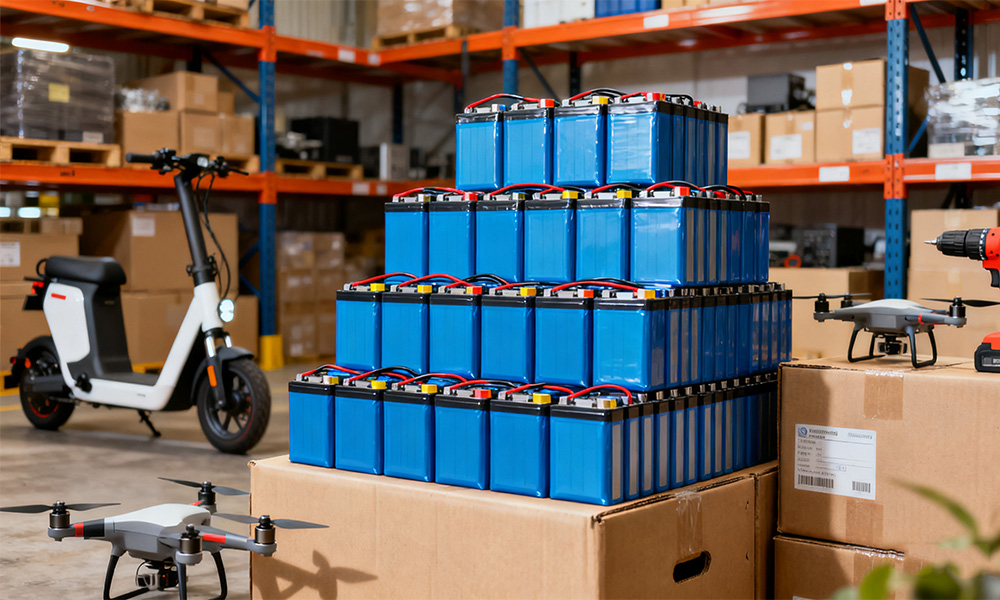
If you’ve ever dipped your toes into the world of lithium-ion batteries, you probably noticed that lithium ion pouch cells have been gaining a lot of attention lately. Unlike their cylindrical or prismatic cousins, pouch cells are a flexible, lightweight option—but they come with their own quirks. For wholesalers, understanding these subtleties can mean the difference between happy clients and constant returns.

What Makes Pouch Cells Unique?
At first glance, a pouch cell looks deceptively simple—a flat, flexible package, often wrapped in an aluminum-laminated film. But underneath, there’s clever engineering designed to maximize energy storage while minimizing weight.
- Flexibility and Form Factor: Unlike rigid cylindrical cells, pouch cells can be made in various shapes and sizes. This makes them ideal for devices or battery packs that don’t have a traditional rectangular or cylindrical compartment.
- Lightweight Advantage: Without a metal casing, these cells are lighter, which is a huge plus for portable electronics, drones, or electric vehicles where every gram matters.
- Cost-Efficient Production: For manufacturers and wholesalers, pouch cells are often cheaper to produce at scale, since the manufacturing process is simpler than that of prismatic cells.
The Challenges You Need to Know
No product is perfect, and pouch cells are no exception. Wholesalers need to be aware of some common issues:
- Swelling During Use: One of the most talked-about quirks is that pouch cells can swell during charging and discharging. While this is usually manageable, it’s important to advise customers to provide some space in the battery enclosure.
- Environmental Sensitivity: High humidity and extreme temperatures can reduce the lifespan of these cells. Proper storage and shipping conditions are essential to avoid early failures.
- Mechanical Protection: Because the pouch is flexible, it’s more prone to physical damage. Ensuring that packs are reinforced or housed in protective structures is key for long-term reliability.

Practical Tips for Wholesalers
Selling lithium ion pouch cells isn’t just about offering the product—it’s about helping your clients succeed. Here are some practical tips:
- Know Your Market: Pouch cells are popular in electric bikes, power tools, drones, and small-scale energy storage solutions. Matching the cell format to your clients’ devices can boost satisfaction.
- Educate Your Customers: A quick guide on proper handling, storage, and usage can save both you and your clients headaches. Many failures can be prevented with simple precautions.
- Offer Variety: Different projects require different capacities, thicknesses, and sizes. Stocking a range of options positions you as a trusted partner, not just a supplier.
Why Pouch Cells Are Worth It
Despite their quirks, pouch cells are here to stay. Their adaptability, weight savings, and manufacturing advantages make them an increasingly popular choice across industries. For wholesalers, understanding their strengths and limitations is the key to providing real value.
At the end of the day, selling lithium ion pouch cells isn’t just about moving inventory—it’s about helping businesses power their products safely, efficiently, and reliably. A well-informed wholesaler is a trusted partner, and in a growing market like lithium-ion batteries, trust goes a long way.
You May Like
-

11.1V 3S 850mAh li-ion Polymer Pouch Cell Battery Pack
-

134365 4500mAh 3.7V Rechargeable Lithium Polymer Battery
-

3.7V 1200mAh Li-Polymer Pouch Cell Battery
-

3.7V 15Ah 148198 Pouch Lithium Ion Battery
-

3.7V 1S2P 3000mah lithium Polymer Battery
-

3.7V 2000mAh Pouch Cell Battery
-

3.7V 502248 500mAh Lithium Ion Polymer Battery
-

3.7V 700mAh Li-Polymer Pouch Cell Battery
-

3.7V 800mAh Rechargeable Pouch Li-Polymer Battery
Leave a Reply