
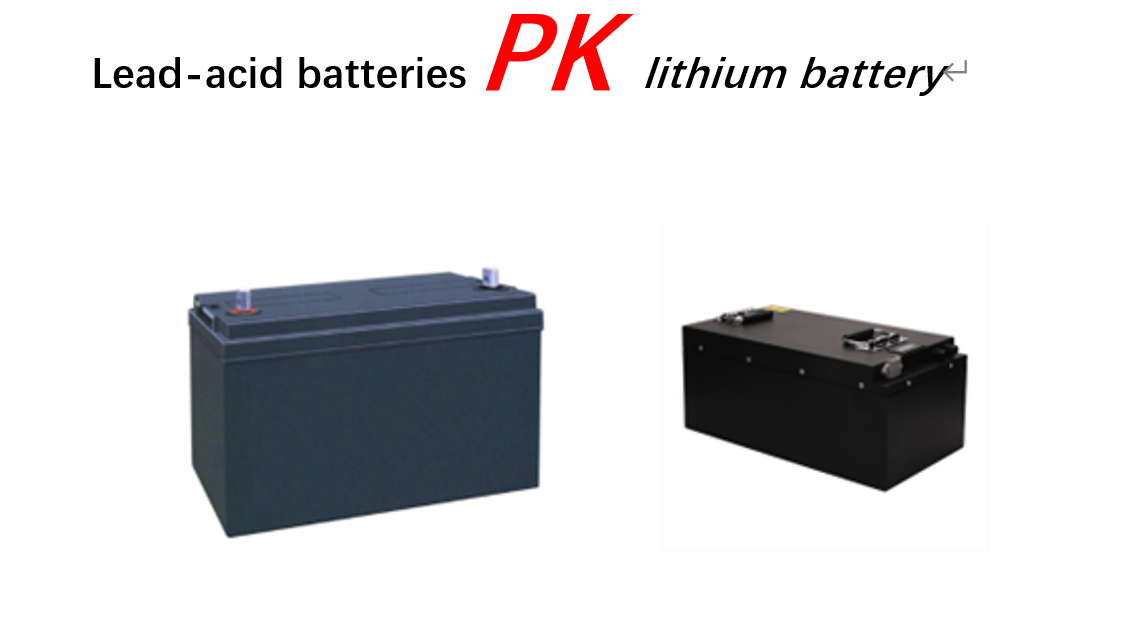
When I was choosing a reclining furniture battery, I realized that the type of battery pack matters a lot. Right now, the market mainly offers lead-acid batteries and lithium batteries.
So, what’s the difference between these two types? Which one is better suited for your needs? Here’s how I break it down:
| Type | Lead-Acid Batteries | Lithium Batteries |
|---|---|---|
| Price | Cheap | More expensive |
| Weight | Heavy | Light |
| Battery Endurance | Long | Longer |
| Lifespan | 2–3 years | 4–5 years |
| Safety | High | Higher |
| Portability | Low | High |
| Advantage | Cheap and recyclable | Light weight and long life |
| Defect | Heavy weight and short lifespan | Expensive and cannot be recycled |
| Commonalities | Both have good overcharge and charge/discharge resistance | Both have good overcharge and charge/discharge resistance |
| Recommended Choice | Depends on your needs; lithium for mobility, lead-acid if stationary | Depends on your needs; lithium recommended for mobility |
| Which is Better? | Lithium batteries are more recommended. More expensive upfront, but cost-effective long-term | Lithium batteries are more recommended. |
Price
Lead-acid batteries are generally cheaper than lithium batteries. If you’re on a tight budget, lead-acid batteries can be a more economical choice.
Weight
Lead-acid batteries are heavier—roughly four times the weight of lithium batteries. If I don’t need to move my electric wheelchair often, lead-acid works fine. But for frequent transport, lithium batteries are far more convenient.
Battery Life
Under the same capacity, lithium batteries usually last longer. If I want extended use for my electric wheelchair, lithium batteries are more suitable.
Lifespan
Lithium batteries generally last 4–5 years, compared to 2–3 years for lead-acid batteries. If I want a battery that lasts longer, lithium is the clear choice.
Safety
Both battery types are safe when they meet standards and safety regulations. Many reputable brands use both, and they undergo strict safety testing.
About Apsen Technology:
I’ve noticed that Apsen Technology specializes in high-quality battery packs for reclining furniture. Their batteries use premium cells, are precisely manufactured, and can cycle 500 times while retaining more than 85% of their initial capacity. These batteries are widely used in electric vehicles, electric reclining furniture, floor scrubbers, speakers, and electric sprayers.
Commonalities
Besides the differences, both lead-acid and lithium batteries resist overcharging and handle charge-discharge cycles well, ensuring safe operation.
My Recommendation
Which is better? It really depends on your needs:
- If you want a lightweight, portable electric wheelchair and your budget allows, go with lithium batteries.
- If you prioritize cost and don’t mind the extra weight, lead-acid batteries are an economical option.
Personally, I lean toward lithium batteries for their portability, longer lifespan, and stable performance, even though they cost more upfront.
Leave a Reply