
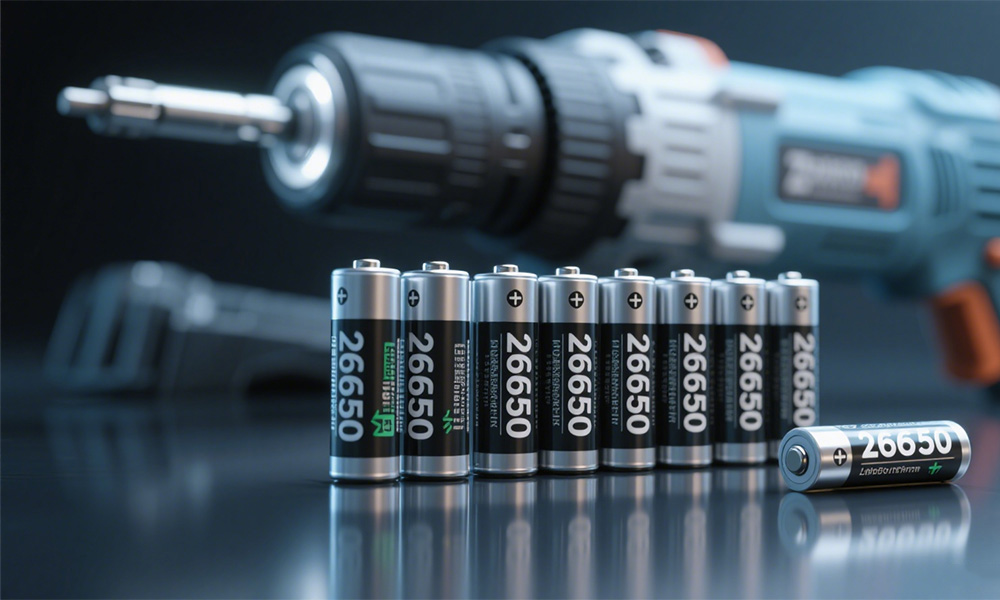
Introduction to 26650 Batteries
The 26650 battery is a rechargeable lithium-ion cell measuring 26mm in diameter and 65mm in length. Compared with the more common 18650 battery, its larger size allows it to store more energy and handle higher discharge rates. Typical capacities range from 2500mAh to 5750mAh, making it a solid choice for devices that demand sustained power.
These batteries come in different chemistries, such as IMR, INR, and ICR, which affect how they discharge and how long they last. On average, a 26650 battery can be recharged 300 to 500 times, and with proper care, it can remain reliable for years.

Key Features and Advantages
The main strength of 26650 batteries lies in their size and capacity. Their larger volume stores more energy and supports higher discharge currents. This makes them especially useful for high-power devices, as they maintain stable voltage even under heavy use. Compared with smaller cells, they are better suited for applications that require a steady, high output over time.
Common Applications
Thanks to their capacity and discharge performance, 26650 batteries are widely used in:
- High-performance flashlights: Keeps brightness steady, even in turbo or strobe modes.
- Power tools: Drills, saws, and similar tools get reliable power under heavy load.
- Electric scooters and e-bikes: Provides consistent energy for longer rides.
- Portable power stations: Supplies dependable power outdoors or during emergencies.
- High-power electronics: Works for lighting setups or experimental devices that need continuous current.
In short, any device that demands high energy and stable output benefits from a 26650 battery.

Battery Selection Guide
When picking a 26650 battery, keep these points in mind:
- Capacity and discharge rate: Match the battery to your device’s requirements. Too low capacity reduces runtime, and insufficient discharge rate can prevent proper operation.
- Quality and safety: Buy from reputable suppliers to avoid counterfeits or low-quality cells.
- Top type: Some devices require flat-top batteries, while others need button-top. Check what fits.
- Battery condition: Inspect for swelling, leaks, or other damage before use.
Choosing the right battery is crucial for both performance and safety.
Charging and Maintenance Tips
Proper handling can prolong battery life and keep usage safe:
- Use the correct charger: Avoid chargers that don’t match the battery, which could overheat or overcharge it.
- Avoid deep discharge: Running the battery below recommended voltage speeds up aging.
- Store properly: Keep batteries in a cool, dry place, away from sunlight and moisture.
- Use regularly: Even if stored, charge and discharge them occasionally to maintain performance.
- Inspect visually: Check for any signs of damage or swelling before and after use.
Following these steps keeps 26650 batteries working longer and reduces safety risks.

Comparing 26650 and 18650 Batteries
| Feature | 26650 Battery | 18650 Battery |
|---|---|---|
| Diameter | 26mm | 18mm |
| Length | 65mm | 65mm |
| Capacity | 2500–5750mAh | 1800–3500mAh |
| Discharge Rate | High | Medium |
| Suitable Devices | High-power devices | Low-to-medium power devices |
26650 batteries are bigger and offer higher capacity, making them ideal for high-power applications. 18650 batteries are smaller, lighter, and more versatile, suitable for devices with lower power requirements. Choose based on your device’s needs and space constraints.
Conclusion
With their large capacity, strong discharge capability, and long lifespan, 26650 batteries are reliable for high-power devices. Selecting the right type and maintaining them properly ensures consistent performance over time. Understanding their specifications, capacity, and discharge behavior is key to keeping flashlights, tools, and electric transport running smoothly.
Leave a Reply