
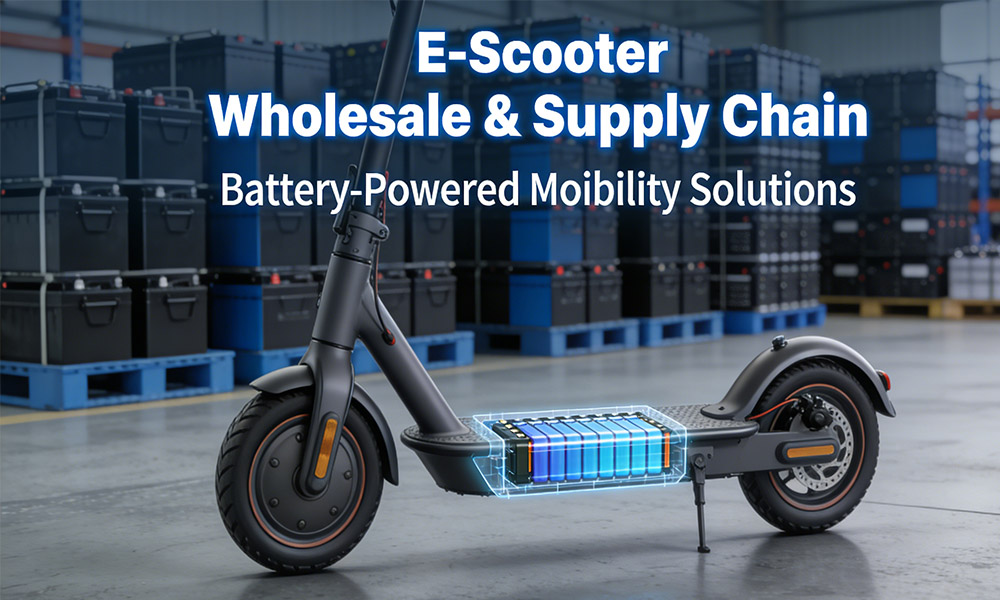
If you’re buying electric scooters in bulk, batteries are the part that will keep you up at night—seriously. They’re the most important component, but also the one most likely to give trouble. Understanding scooter battery failure, why it happens, and how to avoid it can save you from headaches, returns, and unhappy customers down the line.
1. Spotting Trouble Early
From my experience handling wholesale shipments, battery problems don’t appear out of nowhere—they creep in. Some red flags I’ve noticed include:
- The scooter suddenly loses range faster than expected
- Acceleration feels weak or inconsistent
- Charging is slow or simply won’t start
- Batteries swell, overheat, or fail mid-use
These usually point to old or uneven cells, or sometimes a sloppy battery management system (BMS). Catching issues early can prevent a lot of wasted time.

2. Why Batteries Fail (What Bulk Buyers Should Know)
Over the years, a few causes stand out for wholesale buyers:
- Cell quality differences – even a handful of weaker cells can drag down the whole pack
- Misuse during QC or testing – deep discharges or overcharging before shipment shortens lifespan
- Extreme storage conditions – heat or cold can speed up capacity loss
- Inconsistent BMS design – a protection circuit that isn’t tuned correctly can trigger false cut-offs
I always tell buyers: don’t just look at specs. Ask for batch testing results and BMS details—it’s worth the extra effort.
3. Verifying Battery Performance Before Bulk Orders
When you’re ordering dozens or hundreds of packs, simple specs aren’t enough. Here’s what I’ve found works best:
- Test sample packs for cycle life, internal resistance, and voltage stability
- Make sure the BMS protects against overvoltage, undervoltage, and overheating
- Check that all cells in the pack come from the same batch
These steps might seem obvious, but skipping them is how problems sneak into large shipments.

4. What to Do When a Battery Fails
Sometimes, even with careful checking, a battery misbehaves. I usually start with basic troubleshooting: charger, connectors, and BMS. But if the cells themselves are degraded, replacing the pack is usually the fastest and safest option. For a clear step-by-step guide, check out: 👉 How to fix an e-scooter battery that won’t charge
5. Preventing Issues in Bulk Orders
From my hands-on experience, these tips really help reduce failure rates:
- Stick to certified brands with consistent quality
- Ask for batch test reports before placing large orders
- Run a simple incoming inspection—check voltages, internal resistance, and cell consistency
- Store batteries properly; don’t let them bake in a hot warehouse or freeze in shipping
Buying batteries isn’t just about price. In bulk orders, reliability and consistency pay off far more than saving a few dollars per pack.
Related Articles
how do you fix e scooter battery that won’t charge
Choosing the Right Mobility Scooter Batteries
Related Products
-

18650 2200Mah 10S3P 36V 6.6Ah Electric Scooter Lithium Battery
-

18650 2600Mah 10S3P 36V 7.8ah Scooter Battery
-

18650 36V 5.2Ah Electric Bicyle Battery
-

1S2P 3.7V 1600mAh 14500 Lithium Battery
-

2000Mah 18650 Battery Cell 6Ah 36V Scooter Battery
-

21700 3.7V 4800mAh Rechargeable Lithium-Ion Battery
-

3.7V 21700 Rechargeable Lithium Battery Cells 5000mah
-

3.7V 5000mah 26650 Battery
-

32140 LiFePO4 Battery Cell 3.2V – 10000mAh / 15000mAh
-

32700 Lifepo4 3.2V 6000mah Lithium Battery
-

48V 15ah 720wh Ebike Battery
-

60V 21Ah 18650 16S7P E Bike Battery
-

Customized 48V-72V Triangle Ebike Lithium Battery Pack | 52V 30Ah
Leave a Reply