
Your cart is currently empty!
Category: Battery FAQ
-
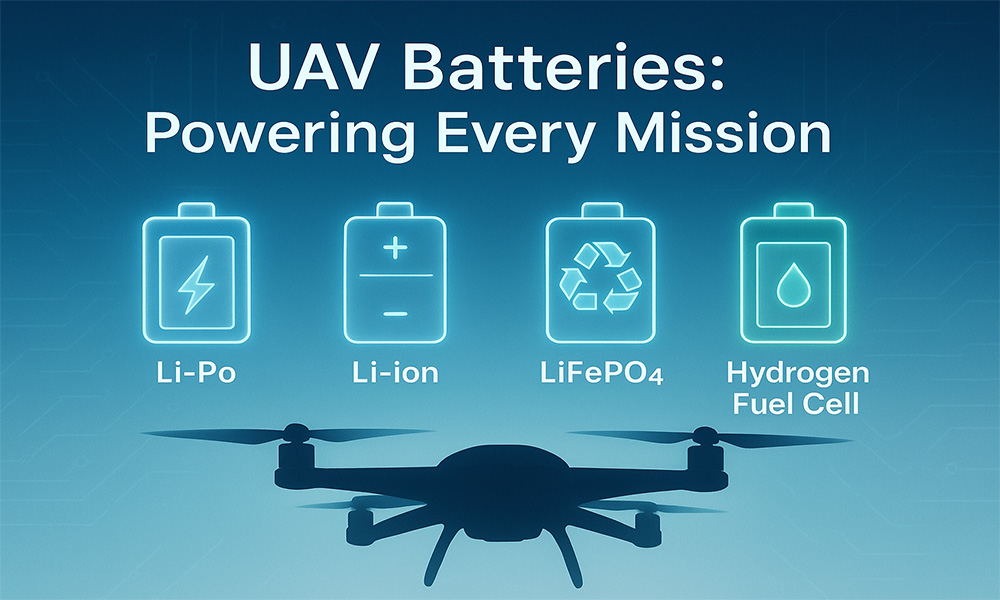
What Types of Batteries Are Used in UAVs? A Complete Guide to Drone Power Systems
1. Basic Battery Requirements for UAVs
As UAVs expand across agriculture, logistics, security, and mapping industries, their battery systems must meet these fundamental criteria:
- High energy density: for extended flight durations
- Lightweight design: to reduce aircraft load
- High discharge rate: to support takeoff and heavy payloads
- Safety and stability: to ensure secure operation
- Fast charging and long lifespan: to improve work efficiency
Each battery type excels in different aspects to meet the power demands of various UAV missions.

2. Lithium Polymer Battery (Li-Po): Lightweight and High-Discharge Favorite
Li-Po batteries offer lightweight design and high discharge rates, making them the top choice for FPV racing drones and consumer-level aerial drones.
- Pros: Light, compact, customizable shapes, high discharge capability
- Cons: Lower safety, prone to swelling or fire if misused
- Applications: Aerial photography, stunt flying, FPV racing drones

3. Lithium-Ion Battery (Li-ion): Balanced for Endurance and Safety
Li-ion batteries feature high energy density and stability, making them ideal for long-endurance drones.
- Pros: High energy density, long cycle life, stable structure
- Cons: Moderate discharge rate, not suitable for fast-response applications
- Applications: Mapping drones, long-range delivery drones, power line inspection UAVs

4. Lithium Iron Phosphate Battery (LiFePO4): Safe and Long-Lasting
LiFePO4 batteries deliver exceptional safety and cycle durability, widely used in agricultural and industrial drones.
- Pros: High safety, non-flammable, over 2000 charge cycles
- Cons: Lower energy density, heavier weight
- Applications: Agricultural spraying drones, power grid inspection, security patrol UAVs

5. Hydrogen Fuel Cell: The Future of Long-Endurance UAVs
Hydrogen fuel cells offer ultra-long flight endurance and zero emissions, ideal for logistics and reconnaissance drones.
- Pros: Extended flight time, eco-friendly, multi-hour endurance
- Cons: High cost, immature technology, complex hydrogen storage
- Applications: Fixed-wing surveillance drones, emergency reconnaissance UAVs

6. Comparison Table of UAV Battery Types
Battery Type Energy Density Discharge Rate Safety Weight Applications Li-Po ★★★★☆ ★★★★★ ★★☆☆☆ ★★★★★ FPV racing drones, aerial photography drones Li-ion ★★★★★ ★★★☆☆ ★★★★☆ ★★★★☆ Mapping, inspection, logistics UAVs LiFePO4 ★★★☆☆ ★★☆☆☆ ★★★★★ ★★☆☆☆ Agricultural, power inspection, patrol drones Hydrogen Fuel Cell ★★★★★+ ★★★☆☆ ★★★☆☆ ★★☆☆☆ Long-range logistics, reconnaissance drones Conclusion
As UAV technology continues to evolve, battery solutions are becoming increasingly mission-specific. Knowing what types of batteries are used in UAVs helps engineers design better power systems and enables users to choose the right power source based on their flight needs. In the future, smart Battery Management Systems (BMS) and advanced materials will make drone batteries even safer, smarter, and more efficient.
-

Are Unprotected 21700 Lithium-ion Batteries Safe? Key Points You Must Know Before Using
1. What Is Unprotected 21700 Lithium-ion Battery?
An unprotected 21700 lithium-ion battery refers to a single cell without a protection circuit board (BMS). It only contains the battery cell and usually appears in high-power devices, electric vehicle packs, and power tools. This type of battery offers high energy density and high discharge rates but lacks built-in protection against overcharge, over-discharge, and current overload.

2. What Are the Potential Risks of Unprotected Lithium Batteries?
Unprotected batteries don’t have automatic cut-off mechanisms. If they experience external short circuits, overcharging, or deep discharging, they can quickly enter thermal runaway, swell, leak, or even explode. These safety issues become more critical under high-rate discharge conditions.
3. Where Can You Use Unprotected 21700 Lithium Batteries Safely?
You can often find unprotected cells in battery packs controlled by an overall BMS, such as in drones, electric scooters, robots, or medical devices. These systems don’t let the battery operate independently. Instead, they manage voltage, current, and temperature through the central system design, which ensures safety.

4. How to Use Unprotected 21700 Lithium Batteries Safely?
If you must use unprotected cells, follow these precautions:
- Add a high-quality protection circuit or BMS module
- Control charging and discharging current to avoid cell overload
- Use only professional chargers to prevent misuse
- Regularly monitor the battery’s temperature and voltage
- Keep batteries in controlled environments to avoid shock and moisture exposure

5. Unprotected vs. Protected 21700 Lithium-ion Batteries — How to Choose?
Comparison Unprotected 21700 Battery Protected 21700 Battery Best Use Case Industrial use, battery packs Consumer electronics, single-cell use Safety Level Depends on external system Built-in protection, higher safety Cost Lower Higher Flexibility High (customizable) Low (limited current use) Selection Advice: If you’re building a battery pack within a controlled system with BMS, unprotected cells may suit your needs. But if you lack external protection mechanisms, choose protected models to ensure safety.
Conclusion
You should choose unprotected 21700 lithium batteries based on specific use cases. These cells offer flexibility, low cost, and customizability, making them popular in industrial and embedded device applications. However, you must pair them with a well-designed protection system and controlled environment. If you don’t have battery integration capabilities, go with protected cells or ready-made battery packs to ensure safe usage.
-
How to Dispose of Power Tool Batteries Properly? A Complete Guide to Safety, Recycling, and Sustainability
Why Do Power Tool Batteries Require Special Disposal?
Power tool batteries are typically lithium-ion, nickel-cadmium (Ni-Cd), or nickel-metal hydride (Ni-MH) types. These batteries contain heavy metals, flammable electrolytes, and toxic substances. Improper disposal may cause environmental pollution, fires, or even explosions.
Lithium batteries are especially sensitive due to their chemical structure. Whether you’re a household user or a business, understanding proper battery disposal is essential for safety and compliance.
Common Power Tool Battery Types and How to Handle Them
Power tool batteries typically include:
- Lithium-ion batteries (Li-ion)
- 18650 batteries – a standard cylindrical lithium cell commonly used in power tools
- Nickel-cadmium batteries (Ni-Cd)
- Nickel-metal hydride batteries (Ni-MH)
- Custom battery packs – battery assemblies made of multiple cells
Each battery type has different chemical properties and recyclable value. Thus, they must be sorted and handled differently. Batteries like 18650 cells or assembled packs should be sent to certified recycling centers for proper processing.

Proper Steps for Disposing of Power Tool Batteries
- Disconnect & Discharge: Detach the battery from the tool and, if safe, discharge remaining power to prevent short circuits.
- Label & Sort: Attach labels such as “To Dispose” or “Damaged” for easier handling by recycling personnel.
- Recycle at Designated Centers: Never throw batteries in general waste. Take them to hardware stores, battery collection points, or professional recyclers.
- Partner with Recyclers for Bulk Waste: Businesses should collaborate with licensed battery recycling services for regular collection and disposal.

How Can Businesses Manage Battery Disposal Responsibly?
For manufacturers, wholesalers, and repair shops, the proper handling of used batteries is not only a legal obligation but also an environmental responsibility:
- Establish an internal battery management policy
- Work with certified third-party recycling companies
- Regularly inspect, classify, and store expired batteries
- Offer “trade-in” or “recycle-for-cash” programs to enhance brand sustainability

By adopting these strategies, businesses can minimize risk while building a greener and more responsible brand image.
Conclusion: Sustainability Starts with Battery Disposal
Whether you’re a personal user or an enterprise, power tool battery recycling cannot be overlooked.
By understanding battery types, mastering safe disposal methods, and establishing internal recycling workflows, we protect both our environment and our future.
Looking for eco-friendly high-performance 18650 lithium batteries or customized battery pack solutions? Contact us for professional support and sustainable options.
-

How to Storage Power Tool Battery: Maintenance Guide to Extend Battery Life and Ensure Safety
In modern industrial production and home repair scenarios, power tools have become indispensable thanks to their efficiency and convenience. However, the performance and lifespan of these tools largely depend on the condition of their batteries. Proper battery storage not only significantly enhances battery endurance and cycle life, but also plays a vital role in avoiding safety hazards. Improper storage, on the other hand, can accelerate battery aging and even lead to leakage, fire, or explosion—posing serious risks to both people and property.
Mastering the science of battery storage is essential for every power tool user.

Know Your Battery Type: Different Chemistries, Different Storage Needs
Lithium-ion (Li-ion) batteries dominate the power tool market due to their high energy density, no memory effect, and lightweight design. However, some older or specialized tools may still use Nickel-Cadmium (Ni-Cd) or Nickel-Metal Hydride (Ni-MH) batteries. Each battery type has unique storage requirements due to differences in chemical composition and internal reactions.
For instance, Ni-Cd batteries suffer from memory effect and require full discharge before recharging. In contrast, Li-ion batteries can suffer irreversible damage from overcharging or over-discharging. Identifying your battery type is the first step to proper storage.
Universal Battery Storage Tips: Golden Rules for All Battery Types
Regardless of battery type, following these universal principles can greatly reduce degradation and risk:
- Environment Control: Store batteries in a cool, dry place away from direct sunlight and heat sources like radiators or ovens. High temperatures accelerate internal chemical reactions and shorten lifespan, while extreme cold can freeze electrolytes and damage internal structures.
- Safe Isolation: Keep batteries away from flammable materials such as gasoline or alcohol, and corrosive chemicals like acids or alkalis. Moist environments should be avoided, as moisture can lead to internal short circuits.
- Protective Packaging: Whenever possible, use the original packaging. If unavailable, anti-static bags can help seal and protect batteries from short circuits caused by metal contact.

Lithium-Ion Battery Maintenance Guidelines
As the mainstream choice in power tools, lithium-ion batteries require particular care:
- Ideal Charge Level: For long-term storage, keep the battery charge between 40% and 60% (commonly known as “half-charge storage”). Overcharging increases degradation risk, while deep discharge may lead to irreversible battery damage.
- Temperature and Humidity: Store batteries between 10°C and 25°C (50°F–77°F), with relative humidity between 45% and 75%. Avoid leaving batteries in high-heat environments (like a car trunk in summer) or freezing cold.
- Long-Term Storage: If storing for over 3 months, remove batteries from tools and recharge every 3–6 months to counter self-discharge. Do not leave batteries fully charged for long periods without use.
Storage Pitfalls to Avoid

- High-Temperature Zones: Never leave batteries in a sealed car, sunlit windowsill, or hot garage. Temperatures above 60°C (140°F) can cause batteries to swell or even ignite.
- Tool Separation: Always remove batteries from tools if unused for extended periods. Internal circuits may cause slow discharge, leading to deep discharge damage.
- Hazardous Environments: Avoid damp basements, chemical storage areas, or airtight containers (like sealed metal boxes), which can trap heat and moisture.
Workplace & Travel Storage Strategies
A. Workshop or Jobsite Storage
- Organized Placement: Use wall-mounted battery racks or ventilated cabinets. Store batteries by category and avoid stacking. Label battery types, purchase dates, and current charge levels for easy tracking.
- First-In, First-Out: Use older batteries first to prevent premature aging due to prolonged storage.
- Safety Training: Educate workers on battery storage and emergency procedures, including how to handle swollen or leaking batteries.
B. Travel or Transport Tips

- Regulation Compliance: When traveling with lithium batteries, follow transport regulations (e.g., carry-on limit of 100Wh, declaration required for checked baggage). Non-compliance may lead to fines or confiscation.
- Physical Protection: Use terminal protectors or insulating caps to prevent metal contact. Never check in damaged or swollen batteries, as they pose serious risks.
Summary & Action Recommendations
Proper storage of power tool batteries is key to extending lifespan and ensuring safe usage. By managing storage environment, charge levels, and usage habits, you can reduce replacement costs and minimize safety hazards.
To help you master battery care, we’ve prepared a “Power Tool Battery Maintenance Guide”. Click to download for step-by-step instructions and emergency handling protocols.
If you’re looking for high-quality, long-life lithium batteries for power tools, we offer a wide range of Li-ion batteries with smart BMS (Battery Management System) protection—featuring overcharge, over-discharge, and overheat safeguards.
Explore our products today and choose a more reliable “power heart” for your tools! -

Explore Long-Endurance Drones: Which Drone Has the Longest Battery Life?
Drones are playing an increasingly vital role in fields like aerial photography, surveying, agriculture, and cargo delivery. However, limited battery life often becomes a major bottleneck, reducing drone operational efficiency. As a result, the question “what drone has the most battery life?” is a hot topic among drone enthusiasts, professionals, and buyers. This article dives deep into long-endurance drones to help you find the ideal model that suits your mission needs.
Who Uses Long-Endurance Drones?
Drones attract a wide range of users, including photographers, surveyors, agricultural professionals, logistics companies, and procurement specialists. These users aim to reduce charging frequency and increase productivity by choosing a drone with long battery life. They care most about which drone models offer the longest flight times, what factors affect endurance, and how to maximize battery performance during use.
Top Long-Endurance Drone Recommendations
1. DJI Mavic 3 Classic

As a leading brand in the drone industry, DJI equipped the Mavic 3 Classic with a high-capacity intelligent flight battery, enabling a maximum flight time of up to 46 minutes. This allows photographers to complete multiple shots across different scenes without recharging, greatly improving creative efficiency. Its advanced battery management system monitors battery health in real-time, ensuring safe and stable flight.
2. Autel Robotics EVO II Pro V3

The EVO II Pro V3 from Autel Robotics also ranks among the top long-endurance drones, offering up to 40 minutes of flight time. It features a high-resolution camera, making it suitable for professional mapping and aerial imaging. For surveyors collecting data over long durations, this drone reduces interruptions caused by low battery levels.
3. Skydio X2

Skydio X2 stands out with powerful autonomous flight capabilities and a flight time of up to 35 minutes. Its advanced obstacle avoidance system and reliable endurance make it ideal for inspection tasks in complex environments—such as power lines or oil and gas infrastructure—eliminating frequent return trips for recharging.
Key Factors Affecting Drone Battery Life
1. Battery Capacity and Technology
Battery capacity directly determines flight time—the higher the capacity, the longer the potential endurance. Battery technology also plays a crucial role: energy density, charge/discharge efficiency, and chemistry (such as lithium-ion or lithium-polymer) all impact overall performance.
2. Frame Design and Weight
A drone’s design affects its aerodynamics. Sleek, streamlined designs reduce air resistance and energy consumption. Lightweight frames lessen motor load, helping extend battery life during flight.
3. Flight Environment and Maneuvers
External conditions such as wind speed, temperature, and altitude significantly influence power consumption. Flying into strong winds, operating in cold weather, or flying at high altitudes can all shorten battery life. Likewise, aggressive maneuvers like rapid acceleration or frequent turning increase energy usage.
Practical Tips to Extend Drone Battery Life
Plan Flight Routes Efficiently
Use mapping tools to create optimized flight paths before each mission. This helps eliminate unnecessary detours and conserves power.Control Speed and Altitude
Maintain a steady flying pace and moderate altitude. Avoid sudden speed changes or extended high-speed flight to reduce energy drain.Maintain Your Batteries Regularly
Charge and discharge batteries properly. Avoid overcharging or deep discharging to preserve battery health and extend lifespan and performance.Conclusion & Buying Advice
DJI Mavic 3 Classic, Autel Robotics EVO II Pro V3, and Skydio X2 all deliver impressive flight endurance. When choosing a long-endurance drone, match the model to your specific tasks, budget, and required features.
If you’re interested in long-endurance drone batteries, feel free to contact us—we offer a wide range of custom drone battery solutions tailored to your needs. -
Should You Fully Charge E-Bike Battery?
As eco-friendly transportation continues to rise around the world, electric bicycles have become a go-to option for short-distance travel. They’re easy to use, affordable to maintain, and, of course, kinder to the planet. Yet, one common question still puzzles many riders — should you always fully charge your e-bike battery?
Whether you’re a commuter in Europe or the U.S., or a weekend cyclist in Southeast Asia, the answer isn’t as simple as “yes” or “no.” It depends on what kind of battery your e-bike uses and how you treat it daily.
Common Types of E-Bike Batteries and What Makes Them Different
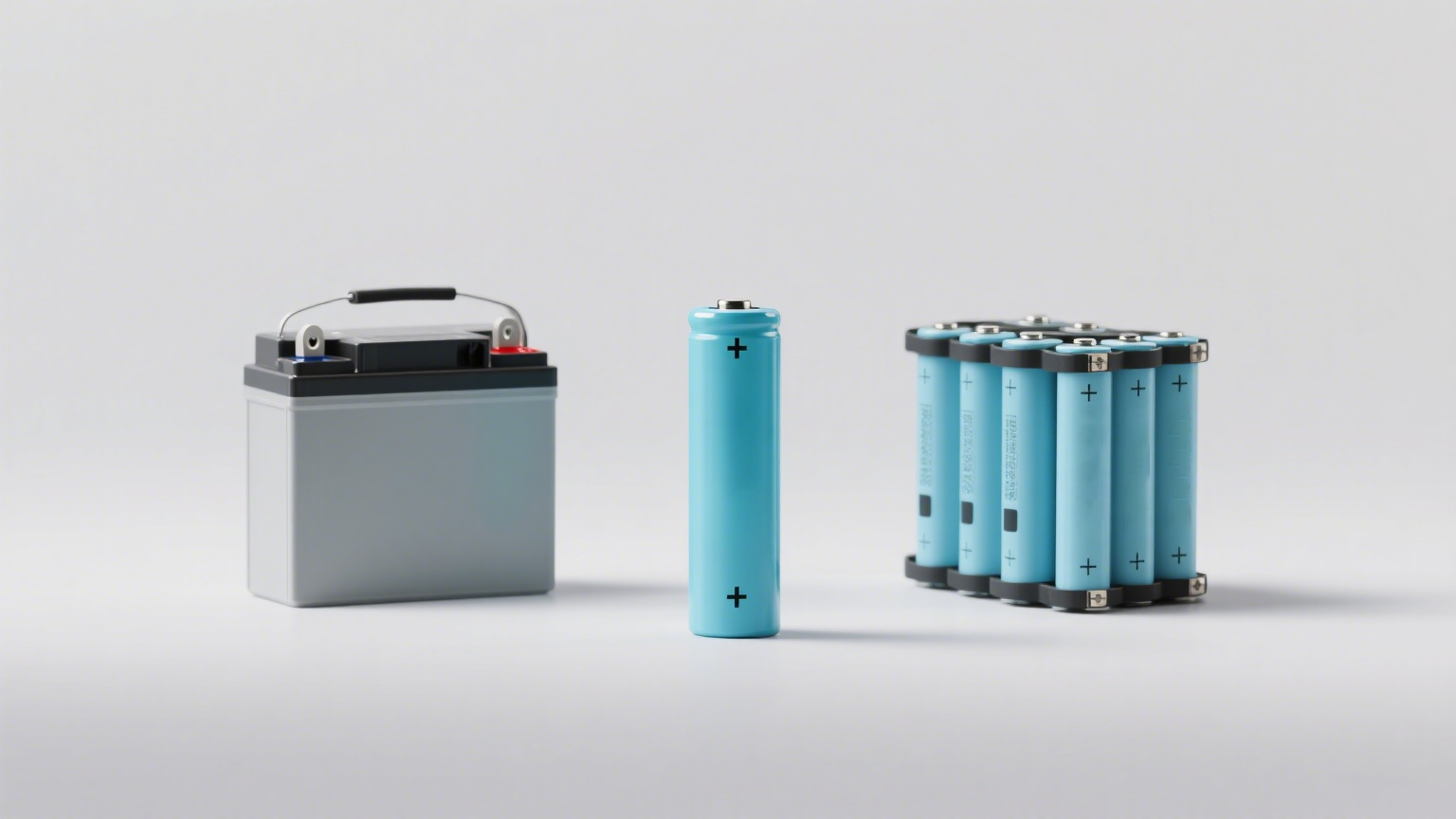
Modern e-bikes usually come with one of three main battery types — lithium-ion, lead-acid, or 18650 cells (a subtype of lithium-ion). Each has its own behavior and charging needs.
Lead-Acid Batteries
These are the old-school workhorses. They’re tough, can handle full charges, and don’t mind being completely drained from time to time. Because they can bounce back from deep discharges, you don’t have to baby them too much.
The downside? They’re heavy, bulky, and self-discharge faster than newer lithium batteries. If you let them sit idle too long without charging, the battery plates may sulfate — a chemical process that permanently reduces capacity. That’s why they need regular charging even when not in use.Lithium-Ion and 18650 Batteries
This is what you’ll find in most modern e-bikes. Lithium-ion batteries are lighter, pack more energy, and hold their charge far longer than lead-acid ones. Among them, the 18650 cell is especially common. Each cell delivers about 3.7V and holds between 1800mAh and 3500mAh.Manufacturers usually connect multiple 18650 cells in series and parallel to create a full battery pack that meets the e-bike’s voltage and capacity needs. Because each small cell contributes to the total performance, these packs rely on a Battery Management System (BMS) to keep everything balanced and safe.
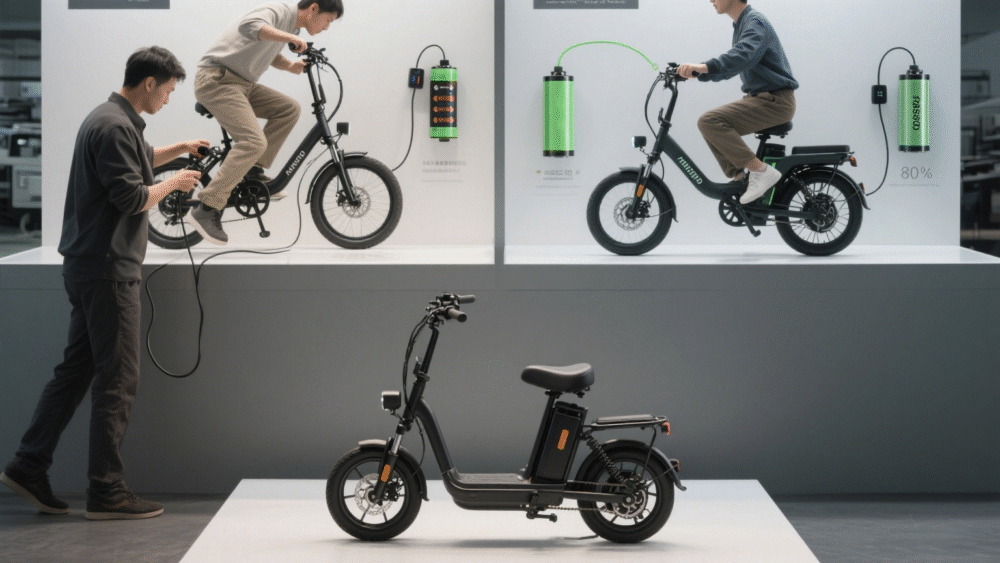
Should You Fully Charge Different Battery Types?
18650 and Lithium-Ion Batteries
Here’s the truth: you shouldn’t top them up to 100% every single time. Overcharging pushes internal voltage too high, generating heat and accelerating chemical wear inside the cells. It also encourages lithium dendrite formation — tiny metal filaments that can pierce the separator and cause internal short circuits. That’s a fast track to both performance loss and safety issues.
Research shows that constantly charging lithium-ion or 18650 batteries to full can shorten their lifespan by about 10–15%. The sweet spot lies between 20% and 80%. Don’t let the charge drop too low, and avoid maxing it out unless you really need the full range for a long trip.
As an example: one commuter who followed this 20–80% rule managed to keep over 90% of their battery capacity after a year. Another rider who always charged to 100% saw their battery degrade to around 75% in the same time frame.
Lead-Acid Batteries
Lead-acid batteries, on the other hand, can handle a full charge just fine. They’re designed for it. They can also tolerate deeper discharges without significant damage. But because they lose power faster when idle, it’s crucial to recharge them regularly to avoid sulfation. Even though they’re sturdy, they’re slowly being replaced by lithium options because of weight, efficiency, and lifespan differences.
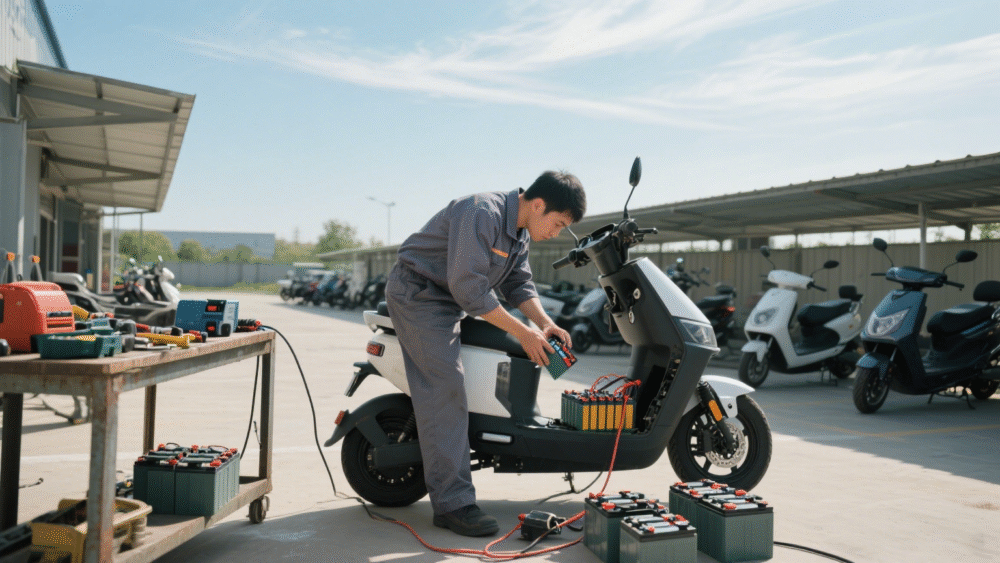
Practical Tips to Extend E-Bike Battery Life
Do an Occasional Full Cycle: Once a month, you can let the battery drain almost completely and then charge it back up. This helps recalibrate the BMS and maintain accurate capacity readings. Just don’t do this too often, as deep discharges also stress the battery.
Special Charging Tips for Different Conditions
Winter riders, take note: cold weather significantly reduces battery activity and overall range. This happens mostly with lithium-ion and 18650 batteries. The best approach is to charge indoors or use chargers that have low-temperature protection.
If you’re in a hurry, fast charging can be used occasionally, but it’s best not to make it a routine. Fast charging increases internal temperature and shortens the lifespan of lithium-based cells, especially 18650 ones. Save it for emergencies.
Final Thoughts
Whether or not you should fully charge your e-bike battery really depends on the battery chemistry and how you ride. For lithium-ion batteries — particularly 18650 packs — the smartest move is to avoid constant 100% charging and extreme discharging.
By sticking to balanced charging habits, using the right equipment, and paying attention to environmental conditions, you can extend your battery life, reduce replacement costs, and enjoy smoother, longer rides.
Understanding these simple charging principles not only keeps your e-bike running at its best but also helps you make smarter choices when it’s time to buy your next one.
-
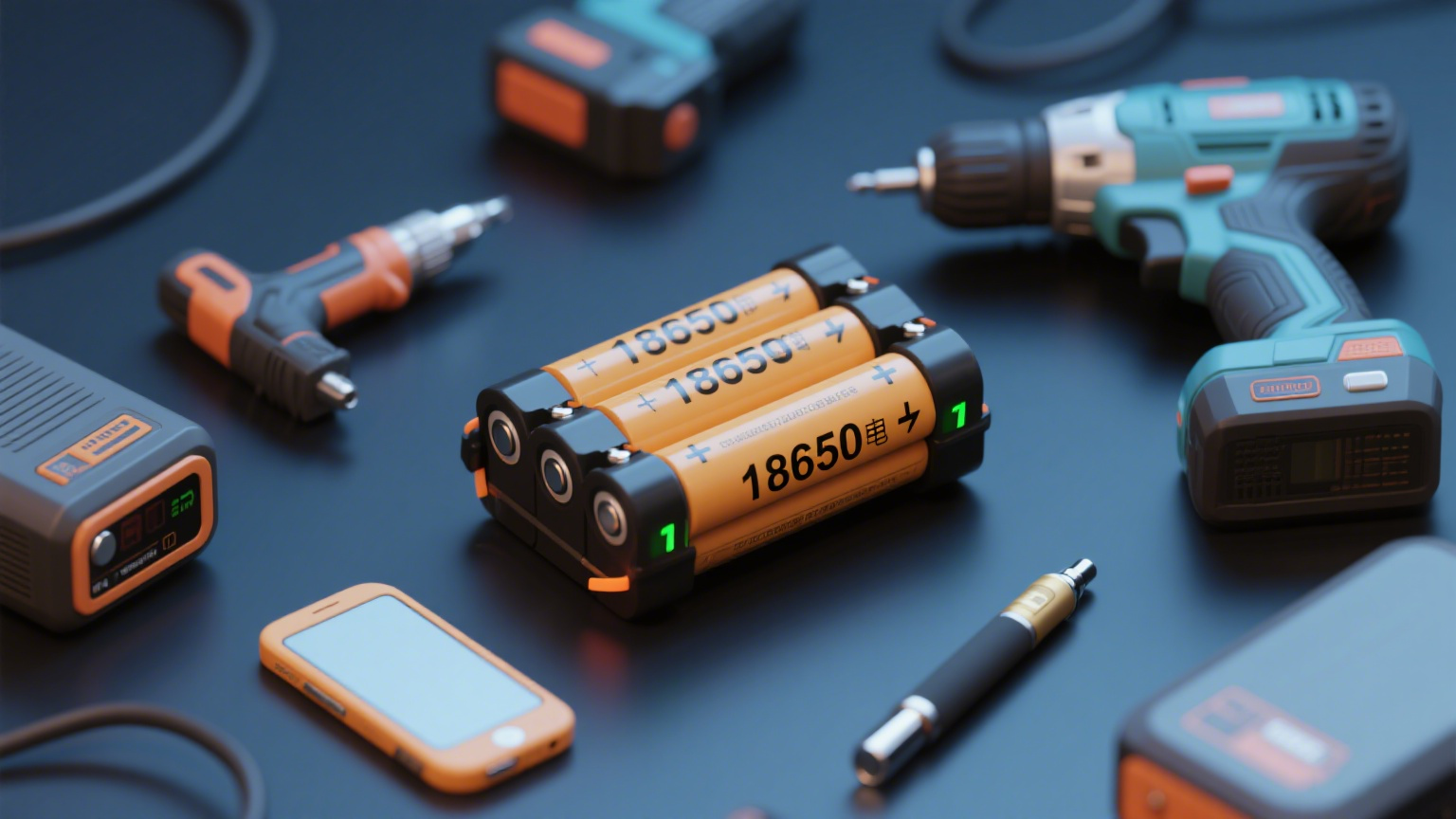
How to Make a Battery Pack with 18650: A Complete Step-by-Step Guide
As demand grows for portable electronics and small energy storage systems, 18650 batteries have become a popular choice for building battery packs thanks to their cost-effectiveness and proven technology. Learning how to make a battery pack with 18650 batteries not only supports customized product needs but also helps reduce costs and enhance market competitiveness. This guide walks you through the full production process, key considerations, and practical tips.
Advantages and Applications of 18650 Battery Packs
18650 battery packs are widely used in power tools, power banks, e-cigarettes, and other applications. They offer several key advantages:
On one hand, 18650 batteries feature mature technology and strong consistency. By arranging cells in series or parallel, you can easily adjust the voltage and capacity to fit specific needs.
On the other hand, their standardized size makes installation easy, and they are readily available on the market at controlled costs. Whether you’re a DIY enthusiast or managing mass production, 18650 battery packs provide reliable and efficient power solution.
Materials and Tools Needed to Make a 18650 Battery Pack
(1) Core Materials
18650 Battery Cells: Use cells of the same model to ensure consistent capacity, voltage, and discharge rate. Common capacities range from 2000mAh to 3500mAh—choose according to your application.
Battery Management System (BMS): Protect the battery from overcharging, over-discharging, and overcurrent. Select a BMS that matches the pack’s voltage and current requirements.
Nickel Strips: Provide electrical connections between cells. Nickel-plated steel strips with a thickness of 0.1–0.2 mm work best.
Insulating Materials: Use fish paper, insulating tape, or similar materials to provide electrical insulation between cells and wiring.
(2) Essential Tools
Spot Welder: A professional spot welder ensures strong bonding between nickel strips and cells. If unavailable, a soldering iron can serve as an alternative—but control heat exposure carefully to avoid damaging the cells.
Multimeter: Measure cell voltage and test the overall performance of the battery pack.
Scissors and Tweezers: Cut nickel strips and assist with precise welding and placement.
Hot Glue Gun: Secure the BMS and wiring in place and improve the structural stability of the battery pack.

Step-by-Step Process for Making 18650 Battery Pack
(1) Cell Selection and Testing
Use a multimeter to measure the voltage of each cell, and make sure the voltage difference stays within ±0.05V. Remove any cells that don’t meet this standard. Also, inspect the cell surfaces—avoid using swollen or damaged cells.(2) Design the Connection Scheme
Determine the series and parallel arrangement based on your device’s requirements:Series Connection: Increases voltage. For example, connecting three 3.7V cells in series creates an 11.1V battery pack.
Parallel Connection: Increases capacity. For instance, connecting two 2000mAh cells in parallel yields a 4000mAh pack.
A combination of series and parallel configurations can meet more complex voltage and capacity needs.(3) Cell Connection and Welding
Cut nickel strips to suitable lengths, and use a spot welder or soldering iron to weld the cells according to the design plan. During welding:Make the welds firm and flat to avoid weak joints or short circuits.
Limit soldering time—do not exceed 3 seconds with a soldering iron—to prevent overheating and damaging the cells.
(4) Install the Battery Management System (BMS)
Connect the positive and negative terminals of the cell group to the corresponding ports on the BMS. Match the polarity correctly to avoid malfunction. After wiring, use hot glue to secure the BMS so it stays in place.(5) Final Testing and Insulation
Use a multimeter to check the overall voltage and charge/discharge performance of the pack. Once everything works properly, wrap the battery pack with fish paper and insulating tape for electrical protection. The battery pack is now complete.
Safety Guidelines and Key Precautions During the Assembly Process
Cell Safety: Keep battery cells away from pressure, impact, open flames, and high temperatures.
Proper Soldering: When using a soldering iron, keep the temperature between 300–350°C to prevent burns or cell damage.
Insulation Protection: Ensure all connection points are well-insulated to avoid short circuits and potential fire hazards.
Work Environment: Assemble the battery pack in a dry, well-ventilated area free from flammable or explosive materials to reduce the risk of accidents.
Product Selection Tips for 18650 Battery Pack Materials
When purchasing 18650 cells, BMS boards, and other materials:
Choose products with international certifications like UL, CE, and RoHS to ensure quality and safety.
Work with suppliers who offer sample testing and technical support to improve reliability during the build process.
Carefully verify all product specifications before placing bulk orders to make sure they meet your design requirements.
Mastering the techniques for building 18650 battery packs is essential for both customized production and equipment upgrades. A standardized assembly process combined with quality materials is key to achieving safe and reliable results. If you need help sourcing materials or have technical questions about 18650 battery packs, feel free to contact us anytime.
-
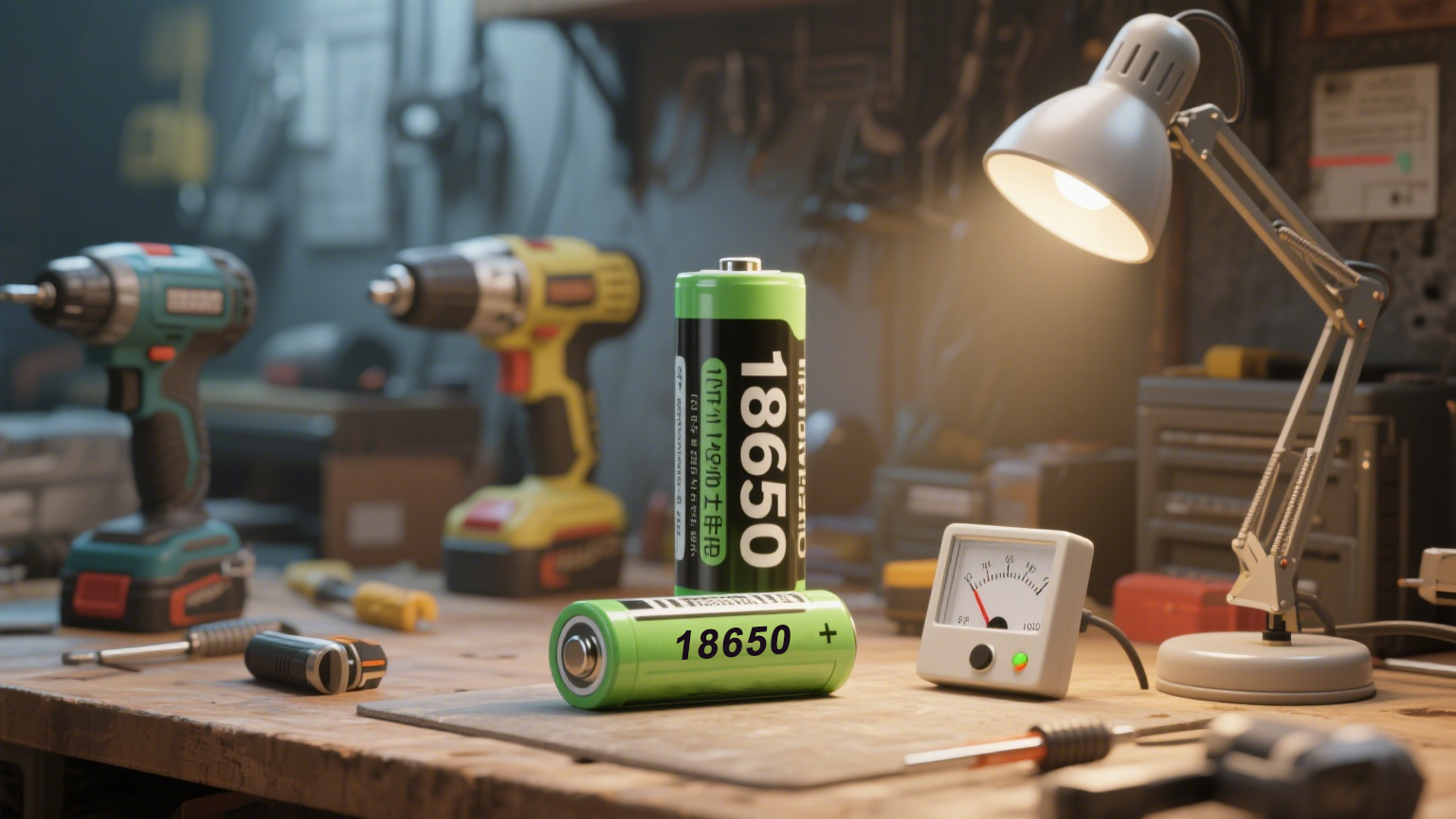
How Many Amp is 18650 Battery,Understanding 18650 Battery Current Parameters
How Many Amp is 18650 Battery?
So, here’s the thing… as portable electronics and small energy storage stuff become super common, 18650 batteries are everywhere. Seriously, they’re popular because, well, they just perform really well. Now, if you’re the type who cares about battery performance (like me), understanding “how many amps a 18650 battery can deliver” is actually super useful. It helps you pick the right one for your gadget and avoid headaches later.
This article digs into the current specs of 18650s from multiple angles—basic ideas, types of current, what affects them… the whole shebang.
Basic Concepts of 18650 Battery Current: The Difference Between Discharge Current and Capacity
First off, when people talk about the “amp” of a 18650, you gotta separate two things: capacity and discharge current.
- Capacity is basically how much charge the battery can store. It’s measured in mAh. Common ones? 2000mAh, 3000mAh… nothing fancy, just what you see all the time.
- Discharge Current is how much juice the battery can actually push out per unit time. Measured in amps (A) or milliamps (mA). So, like 1A or 3A.
Here’s the practical bit… I once tried using a low-discharge battery in a power tool. Big mistake. Electric tools need a ton of current at startup, otherwise they just crawl. On the flip side, small desk lamps don’t care as much—they just want capacity for longer runtime. Makes sense, right?

Common Types of Discharge Current in 18650 Batteries
Here’s how I usually think about it:
Continuous Discharge Current
This is the steady current a 18650 can output over a long period. Standard cells usually manage 0.5A to 1A. That’s enough for devices with low, stable power needs—think smart wristbands, remotes… stuff that doesn’t freak out if you pull a little juice.
Pulse Discharge Current
Now, pulse is interesting… this is the short burst current, usually milliseconds. High-rate 18650s can hit 15A to 30A. You’ll see why if you mess with drones or electric toys—they need this burst during rapid moves or sharp turns. I’ll admit, I underestimated this once, and the little drone just didn’t climb right until I switched to a high-pulse cell.
Maximum Discharge Current
This is basically the absolute peak a battery can deliver. And yes, it’s tempting to push it… but don’t. Using it long-term like that will fry the battery fast and is just unsafe. Learned that the hard way.

Key Factors Affecting the Discharge Current of 18650 Batteries
Honestly, a lot affects how much current these cells can handle:
Operating Environment: Temperature is sneaky. Cold = higher internal resistance, less current. Hot = more current but battery ages faster. I try to stick to 0℃ to 45℃. Outside that? Yeah, you’ll see weird behavior.
Battery Materials and Structure: Cathode stuff (LiCoO₂, LiFePO₄), anode material, internal electrode design… they all matter. Better conductivity and ion flow = higher discharge.
Manufacturing Process and Brand Quality: I’ve noticed top-tier brands nail the internal resistance and electrode consistency, letting the battery handle higher currents without drama. Cheap ones? Sometimes unstable discharge… a headache if you need reliability.
Operating Environment: Temperature is sneaky. Cold = higher internal resistance, less current. Hot = more current but battery ages faster. I try to stick to 0℃ to 45℃. Outside that? Yeah, you’ll see weird behavior.

18650 Battery Current Selection for Different Application Scenarios
Here’s where the “real world” thinking kicks in:
- Consumer electronics: Bluetooth headsets, power banks… continuous discharge 0.5A to 2A is usually enough. I’ve tested a few setups, and anything higher is overkill.
- Power tools: Drills, saws… these beasts need continuous above 5A and pulse over 15A. If you give them anything less, the motor complains. I’ve learned the hard way trying to use standard cells in drills—yeah, they just won’t spin properly.
- Energy storage systems: Here, capacity matters more, but you still want stable continuous discharge to avoid hiccups in the system. I’ve had setups where one weak cell threw the whole pack off… lesson learned.
Key Considerations When Selecting 18650 Batteries
From my experience, picking a battery isn’t just reading specs. Think about:
- Device Requirements: Calculate what your gadget really needs—discharge current, capacity… don’t guess. I always run the numbers first.
- Brand and Certifications: UL, CE, RoHS… these aren’t just stickers. They often correlate with safety and reliability. I skip uncertified stuff unless I’m testing in the lab.
- Testing and Verification: Before buying in bulk, I always check discharge, capacity, and other performance parameters. Even minor variance matters. Also, don’t underestimate supplier support—it saved me a ton once when a batch had issues.
Getting a solid grasp of 18650 battery currents really helps you take control of your device performance and procurement. Honestly, whether you’re sourcing for electronics or building an energy storage setup, knowing these details can save you a lot of headaches.
And yeah… if you ever need batteries or have technical questions, feel free to reach out—I’ve been there, I know the pain points.
-

how to build 18650 lithium battery pack with BMS
Building 18650 lithium battery pack with Battery Management System (BMS) not only meets specific power requirements but also deepens your understanding of battery technology. Whether powering small electronic devices or working on DIY energy storage project, this process offers both practical value and engaging hands-on experience. In the following section, we’ll explain in detail how to build 18650 lithium battery pack with BMS.
Why Choose 18650 Lithium Batteries
18650 lithium batteries are ideal choice for building battery packs thanks to their outstanding performance features. Named after their dimensions—18mm in diameter and 65mm in length—these cells offer high energy density, allowing a large amount of power to be stored in a compact size. This means you can achieve powerful energy output while keeping the battery pack lightweight and space-efficient.
In addition, 18650 batteries have long cycle life, typically supporting hundreds to even thousands of charge and discharge cycles, which significantly reduces long-term usage costs. Their stable output voltage provides reliable power to various devices.
From laptops and electric vehicles to power tools and portable electronics, 18650 lithium batteries are widely used across many industries. Their versatility and proven reliability make them trusted energy source in both consumer and industrial applications.

The Importance of a Battery Management System (BMS)
BMS plays a crucial role in a lithium battery pack—it works like the “smart manager” of the system. During charging and discharging, lithium batteries can easily face issues like overcharging, over-discharging, overcurrent, and overheating without proper management. Overcharging can cause the battery to swell or even explode, while over-discharging significantly shortens its lifespan. Overcurrent and overheating also negatively affect performance.
BMS continuously monitors key parameters such as the voltage, current, and temperature of each cell in the pack. When it detects any abnormalities, it immediately takes protective action. For example, when cell reaches the overcharge threshold, the BMS cuts off the charging circuit. When the voltage drops too low, it stops discharging. This ensures safe and stable operation of the battery pack and helps extend its overall lifespan.

Materials and Tools Needed to Build Battery Pack
18650 Lithium Batteries: Choose the appropriate number and specifications based on the desired voltage and capacity. For example, to build a 12V battery pack, you typically need 3 cells in series, since each 18650 cell has a nominal voltage of 3.7V (3.7V × 3 ≈ 11.1V, which reaches about 12.6V when fully charged). Always use cells from the same batch with similar performance to ensure consistency across the pack.
Battery Management System (BMS): Select a BMS that matches the voltage and current ratings of your battery pack. Make sure it can handle the pack’s maximum charge and discharge current and includes all necessary protection features.
Nickel Strips: Use these to connect the cells. Nickel has excellent conductivity and weldability, ensuring strong and reliable connections between batteries.
Spot Welder or Soldering Iron: A spot welder is the best tool for attaching nickel strips to the battery terminals quickly and securely. If a spot welder isn’t available, you can use a soldering iron—just be careful with heat and duration to avoid damaging the cells.
Battery Holders: These hold the cells in place, keeping the layout neat and preventing movement or collision during use.
Insulation Materials: Items like heat shrink tubing and electrical tape help insulate the welded areas and the entire pack, reducing the risk of short circuits.
Multimeter: Use this to check voltage, current, and other parameters during assembly and testing to ensure everything works as expected.

Assembly Steps
Cell Selection and Preparation
Use multimeter to measure the voltage of each 18650 lithium cell and make sure the initial voltages are closely matched. Cells with large voltage differences can reduce overall pack performance and lifespan. A voltage difference within 50mV is generally recommended.Check each cell for physical damage, swelling, or other abnormalities.
Group the selected cells according to your design plan and get them ready for connection.
Battery Connection
Determine the series and parallel configuration based on the desired voltage and capacity. Connecting cells in series increases voltage, while connecting them in parallel increases capacity. For example, three cells in series provide about 11.1V. To increase capacity, multiple series strings can be connected in parallel.Use nickel strips to connect the cells. If using a spot welder, cut the nickel strips to the right length, place them on the cell terminals, and weld them in place. Make sure each weld is solid and secure, with no cold joints.
If using soldering iron, apply small amount of flux to the nickel strip and battery terminal. Then melt solder onto the connection to bond the strip and terminal together. Keep the soldering time as short as possible to avoid overheating the cells.

BMS Installation
Follow the BMS manual to connect it correctly to the battery pack. A typical BMS includes positive and negative terminals for input/output and a set of balance leads for monitoring the voltage of each cell.Start by connecting the BMS’s main positive and negative wires to the battery pack’s output terminals. Make sure the connections are secure.
Next, connect the balance leads in order to the positive terminals of each cell in the series. Be careful with the sequence—incorrect wiring can cause the BMS to misread cell voltages or fail to function properly.
Insulation
Use heat shrink tubing or electrical tape to insulate all soldered joints and exposed metal parts. Slide heat shrink tubing over the areas to be insulated, then apply heat with a heat gun or lighter so the tubing shrinks tightly around the surface. If using electrical tape, wrap it firmly and evenly with no gaps.Inspect the entire pack to ensure every potential short-circuit point is well insulated.
Testing and Tuning
Use multimeter to check the total voltage of the battery pack and verify it matches your expectations. For example, a 3-cell series 18650 pack should read close to 12.6V when fully charged.Connect a suitable load—such as a light bulb or resistor—to perform a discharge test. Observe how the pack operates and whether the BMS activates protection when needed. During discharge, the BMS should monitor each cell’s voltage, and once the voltage drops to the over-discharge threshold, it should cut off the output automatically.
Perform charge test using a compatible charger. Watch the charging process to confirm it works correctly and ensure the BMS stops the charging automatically once the pack is full.
Important Notes
Prioritize Safety: Always avoid short circuits during assembly. Keep metal tools from touching both battery terminals at the same time. Wear protective gloves and safety goggles during operation to prevent accidents.
Choose the Right Materials: Make sure all components—18650 lithium cells, BMS, nickel strips, and others—are high-quality and meet relevant standards. Low-quality materials can compromise both the performance and safety of the battery pack.
Follow Proper Procedures: Whether using a spot welder or soldering iron, always operate the tools according to the manufacturer’s instructions. Control welding time and temperature carefully to avoid damaging the cells.
Maintain the Battery Pack: After assembly, regularly check and maintain the battery pack. Use a multimeter to monitor voltage, capacity, and other key parameters. Detect and resolve any issues early. Also, store the battery in a proper environment—avoid heat, humidity, or other extreme conditions.
By following these steps, you can successfully build 18650 lithium battery pack with BMS. Along the way, you’ll not only gain valuable hands-on assembly skills but also develop a deeper understanding of how battery management systems work—providing a reliable power solution tailored to your energy needs.
-

how many 18650 battery pack for ebike,Apsen Technology’s Custom Solutions
In the power system of electric bicycles, the 18650 battery pack plays a key role. How many 18650 battery packs are required for an electric bicycle? The answer to this question is not fixed, as it is influenced by a variety of factors.
Characteristics of 18650 Batteries
The 18650 battery, a type of lithium-ion battery, offers several significant advantages. In terms of capacity, the mainstream range is from 1800mAh to 2600mAh, with higher capacities used for power batteries, providing long-lasting power support for devices. For example, the Xiaomi electric bicycle is equipped with 20 18650 lithium batteries, each with a capacity of 2900mAh. Under the conditions of a 75kg load and a 20km/h speed, it can achieve a range of 45 kilometers.
In terms of voltage, the commonly used rechargeable 18650 lithium batteries have a voltage of 3.6V or 3.7V, and they reach 4.2V when fully charged. In actual applications, the series and parallel combination of batteries determines the final voltage and capacity of the battery pack. For example, by connecting multiple 18650 batteries in series, the voltage of the battery pack can be increased; while connecting them in parallel increases the overall capacity of the pack.
Factors Influencing the Number of 18650 Batteries in Electric Bicycles

- Design Purpose and Performance Requirements of the Electric Bicycle
Different types of electric bicycles have different requirements for the number of battery packs. Electric bicycles designed for urban commuting typically prioritize comfort and range. If a long-distance commute is required, such as 50 kilometers or more on a single charge, a larger capacity battery pack is needed. For instance, if the 18650 battery used has a capacity of 2000mAh, a common 36V electric bicycle may require dozens of batteries to achieve a 50-kilometer range.
On the other hand, electric bicycles used for mountain biking or other specialized terrains not only require long range but also demand higher power output. To provide strong performance in complex terrain, a higher voltage and larger capacity battery pack is required, meaning more 18650 batteries are necessary.
- Impact of the Battery Management System (BMS)
The Battery Management System (BMS) is crucial for ensuring the safe and stable operation of the battery pack. A high-quality BMS can accurately monitor and manage the batteries, including overcharge protection, over-discharge protection, and temperature management. Different BMSs have varying performance and compatibility with batteries. A high-performance BMS can more efficiently utilize battery energy, reducing energy loss and, to some extent, lowering the need for a larger number of batteries. However, if the BMS is of poor quality, it may prevent the batteries from reaching their full potential, leading to the need for more batteries to meet the electric bicycle’s performance requirements.
- Vehicle Space and Weight Limitations
Electric bicycles have limited space to accommodate the battery pack, and the battery pack must be arranged in a reasonable manner. If the battery pack is too large or contains too many batteries, it may not fit within the available space on the bike frame. Additionally, the weight of the vehicle is another important consideration. Excessive batteries increase the weight of the bicycle, which can not only affect handling and maneuverability but also increase energy consumption, thus reducing the range. Some electric bicycles that prioritize lightweight design reduce the number of batteries by optimizing battery selection and configuration, ensuring that performance requirements are met while controlling the weight.
Apsen Technology’s Custom 18650 Battery Pack Solutions
In response to the diverse needs of electric bicycle manufacturers regarding 18650 battery pack configurations, Apsen Technology offers customized battery pack solutions, leveraging professional technology and extensive experience.

- Personalized Battery Pack Design
During the battery pack design phase, Apsen Technology’s professional team communicates closely with clients to fully understand the electric bicycle’s intended use, performance specifications, and spatial layout requirements. Based on this information, the required number of batteries, the series and parallel arrangement, and the overall structure of the battery pack are carefully calculated. A compact battery pack made of high-capacity 18650 batteries is designed to meet the daily commuting range requirements while ensuring the vehicle remains lightweight.
- Strict Quality Control and Safety Assurance
Throughout the production process, Apsen Technology adheres to strict quality standards. From selecting battery cells, they carefully choose suppliers who offer high-quality products, ensuring that each 18650 battery has stable performance and reliable quality. During the assembly process, advanced manufacturing techniques and equipment are used to ensure secure connections and good contact between batteries, reducing resistance and improving overall efficiency. Additionally, high-performance BMS systems are provided for the battery packs. These systems monitor parameters such as voltage, current, and temperature in real-time, and take protective measures in the event of any abnormalities, such as overcharging, over-discharging, or overheating. This ensures the safe operation of the electric bicycle.
- Efficient Supply Chain and Fast Delivery
Apsen Technology has an efficient supply chain system and has established long-term, stable partnerships with top-tier suppliers. This enables the company to quickly allocate resources and ensure timely supply of raw materials for 18650 battery pack orders. In the production process, through optimized workflows and efficient management, Apsen Technology ensures quick production. Whether it is a small batch or large-scale order, the company can complete production and delivery within a short time, meeting the manufacturing needs of electric bicycle manufacturers.
In conclusion, the number of 18650 battery packs required for an electric bicycle is influenced by various factors. Apsen Technology’s customized 18650 battery pack solutions provide electric bicycle manufacturers with one-stop service, from design to delivery, ensuring the production of high-performance, safe, and reliable electric bicycle products.