
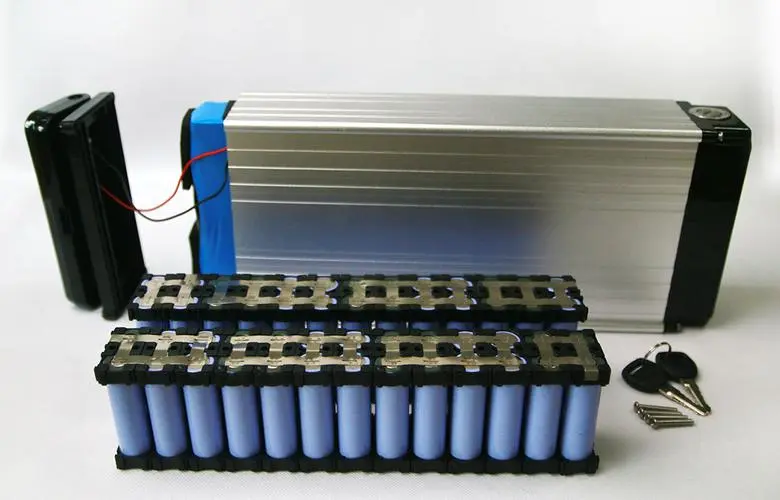
Powering the E-Bike Revolution
Electric bicycles are no longer a niche trend—they are becoming a mainstream mode of sustainable transport. As e-bike adoption grows, battery technology has been racing to keep up with rider expectations for longer range, faster charging, lighter weight, and improved safety. Today’s e-bike batteries are far more advanced than those of just a few years ago, with breakthroughs in chemistry, design, and management systems setting the stage for the next generation of innovation.
New Battery Chemistries on the Horizon
While lithium-ion remains the industry standard, researchers are pushing boundaries with new chemistries:
- Lithium-Sulfur (Li-S) Batteries: Offering higher energy density and lighter weight, Li-S could significantly extend range while being more environmentally friendly. Still experimental, but highly promising.
- Solid-State Batteries: By replacing liquid electrolytes with solid materials, these batteries promise enhanced safety, greater stability, and faster charging. They’re still in development but could revolutionize e-bike performance once commercialized.
Though not yet mainstream, these advancements point to a future where e-bike batteries are safer, lighter, and far more efficient.
Smart Battery Management Systems (BMS)
Modern e-bikes increasingly rely on intelligent battery management systems. These systems actively monitor temperature, charge levels, and performance in real time.
Benefits include:
- Optimized charging and discharging cycles.
- Prevention of overcharging or deep discharge.
- Extended battery life.
Some advanced BMS setups also feature remote monitoring, GPS tracking, and anti-theft functions, offering riders both peace of mind and enhanced security.
Modular Battery Designs for Flexibility
Instead of relying on one large pack, modular systems break power storage into smaller, swappable units.
- Convenience: Riders can replace a depleted module with a fresh one mid-ride.
- Flexibility: Extra modules can be added for longer trips, or removed for a lighter ride.
- Customization: Mix and match modules depending on terrain or travel needs.
This approach not only improves range flexibility but also simplifies maintenance and replacement.
Balancing Battery Capacity and Range
Battery capacity, measured in watt-hours (Wh) or amp-hours (Ah), directly impacts how far an e-bike can travel per charge. Higher capacity means longer rides but also adds weight, which can affect handling.
Range also depends on:
- Rider weight.
- Terrain conditions.
- Level of pedal assistance.
- Battery age and temperature.
Finding the right balance between range and performance is key for riders who want efficiency without sacrificing maneuverability.
Charging Options and Convenience
Charging technology is evolving alongside battery design.
- Standard Charging: Reliable but can take several hours.
- Fast Charging: Special chargers reduce downtime, sometimes powering a battery in under an hour.
- Charging Ports: Proprietary ports limit options, while universal ones like USB-C provide more flexibility.
Fast-charging capabilities are especially appealing for commuters who rely on their e-bikes daily.
Battery Safety: A Rider’s Priority
Though modern e-bike batteries are generally safe, mishandling can lead to risks. Safety tips include:
- Always follow the manufacturer’s charging and storage guidelines.
- Inspect batteries for damage or swelling.
- Replace aging batteries before performance drops significantly.
Proper care ensures both safety and longer battery life.
Conclusion: What’s Next for E-Bike Batteries?
Electric bicycle batteries have come a long way, and the journey is far from over. Emerging chemistries like lithium-sulfur and solid-state show great promise, while practical innovations such as smart BMS and modular designs are already improving the rider experience.
As demand for e-bikes grows, we can expect batteries to become even lighter, safer, and more powerful—helping cyclists enjoy longer rides, faster charging, and greater freedom on two wheels.
The future of e-bike batteries isn’t just about powering the ride—it’s about shaping the way we move.
Leave a Reply