
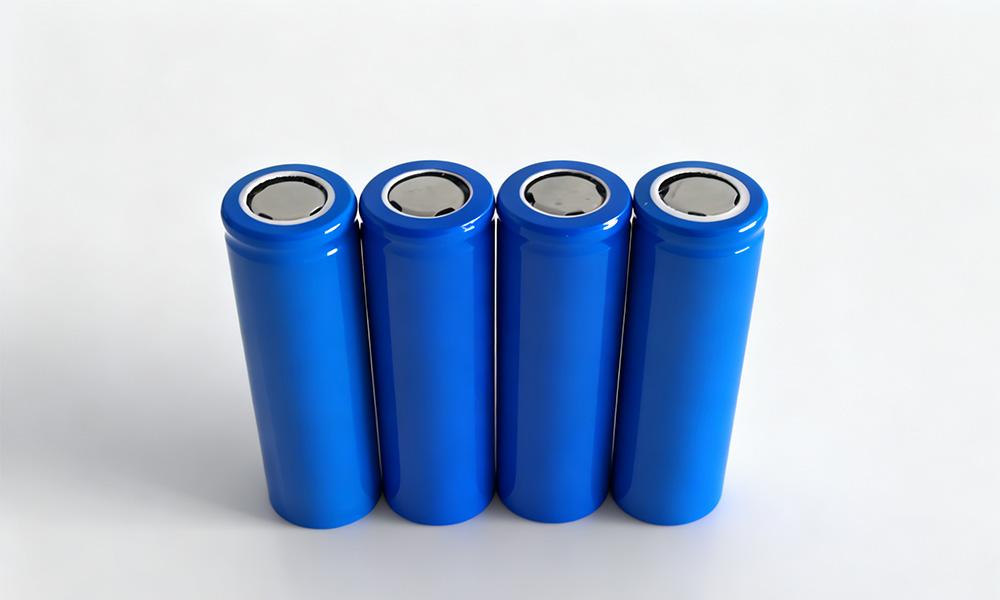
If you deal with flashlights, electronics, power tools, or anything that needs a good amount of power, the 18650 battery is probably already an old friend. It’s not big, but it packs plenty of energy, fits easily into most devices, and has basically become the “standard” for many high-power applications.

What Exactly Is 18650?
“18650” is just a size code—about 18mm in diameter and 65mm in length. Nothing fancy on the outside, but it stores way more energy than AA or AAA batteries. You’ll see it in high-power flashlights, tools, small electric vehicles, portable gadgets, and tons of DIY battery packs. If something needs steady power and you don’t want it dying on you halfway, an 18650 usually gets the job done.
Which Specs Actually Matter?
Most people check the capacity first, but that’s only one piece of the puzzle.
Voltage: The nominal voltage is usually 3.6V or 3.7V. Fully charged, it goes up to 4.2V; when nearly empty, it drops to around 2.7V. If you keep draining it below that, the battery will technically keep running, but you’re cutting its lifespan—fast.
Capacity: Most cells fall between 2600mAh and 3500mAh. Higher capacity means longer runtime, but that doesn’t automatically make it “better” for every device. Some devices draw a lot of current—if the battery can’t handle high discharge, you’ll get voltage sag, heat, and unstable performance.
Discharge Rating (CDR): This one’s super important. CDR tells you how much current the battery can deliver continuously. For flashlights, tools, e-bikes, and other high-draw devices, a battery with a weak CDR will struggle no matter how big the capacity looks on paper.
Internal Resistance: You won’t always see it listed, but lower internal resistance means better stability and less heat during use.
Protected vs. Unprotected:
- Protected cells have built-in circuits that prevent over-charge, over-discharge, and short circuits. Great for everyday users.
- Unprotected cells are just the bare cell—more flexible, but you need to know what you’re doing. Often used in professional devices or battery pack assembly.
Button-top vs. Flat-top: Some devices require one or the other. If the head shape doesn’t match, the battery simply won’t fit. Simple but very common mistake.

Understanding the Voltage Range
Even though the nominal voltage is 3.6V/3.7V, the real working voltage moves across a range:
- Full: ~4.2V
- Mid-use: 3.xV
- Near empty: ~2.7V
Most devices cut off automatically before it dips too low, because once a cell falls under 2.5V, the internal chemistry is permanently damaged. A lot of people think lithium batteries “can’t last,” but in reality, it’s because they use them until they’re completely drained every time.
How Do You Choose the Right One?
Choosing an 18650 is easier than it looks:
- Know what your device needs.
High-power devices → focus on discharge rating.
Regular electronics → capacity and stability matter more. - If you’re unsure, get a protected cell.
It’s the safest choice for most users. - Buy from reliable brands.
The super-cheap cells online with ridiculous capacity claims? Stay far away.
Fake 18650s are everywhere—many are rewrapped junk cells or recycled packs with awful safety and lifespan.

How to Make Them Last Longer
18650s aren’t delicate, but a few simple habits make a huge difference:
- Don’t drain them to zero before charging.
- Charging only to around 80–90% helps extend lifespan.
- Avoid leaving them plugged in forever.
- Use and charge them in normal room temperatures—not extreme heat or cold.
- If storing long-term, keep them around half charge in a dry, room-temperature place.
A Quick Closing Note
An 18650 may look like just another battery, but there’s actually quite a bit to it. Once you understand the basics—voltage, capacity, discharge rating, protection circuits—you’ll avoid most of the common pitfalls and keep your devices running safely and smoothly.
And if you’re working on a project that needs 18650 battery packs—3S, 4S, 7S, 10S, whatever—we can build custom battery packs based on your required voltage, capacity, wiring, BMS, and size. No need to mess with assembling cells by yourself.
Recommended Products
-

12V 4400 mah Lithium ion 3S2P 18650 Battery Pack
-

18650 20V 3.0Ah Cordless Drill battery
-

18650 22.2V 7.8Ah 2600Mah 6S3P Rechargeable Battery Pack
-

18650 3.7V 10Ah Li-Ion Power Battery Pack
-

18650 7S7P 24V 14Ah Lithium ion Electric Scooter Battery Pack
-

18650 Electric Scooter 48V 13000mAh Lithium Battery
-

2600mAh 3S1P 11.1V 18650 Battery Packs
-

36V 5200mAh 10S2P 18650 Battery Pack
-

48v 4400mah 13S2P 18650 Rechargeable Battery Pack
-

7S2P 24V 18650 Lithium Battery Pack
-

Electric Scooter 36V 4400mAH 10S2P 18650 Battery Pack
Leave a Reply