
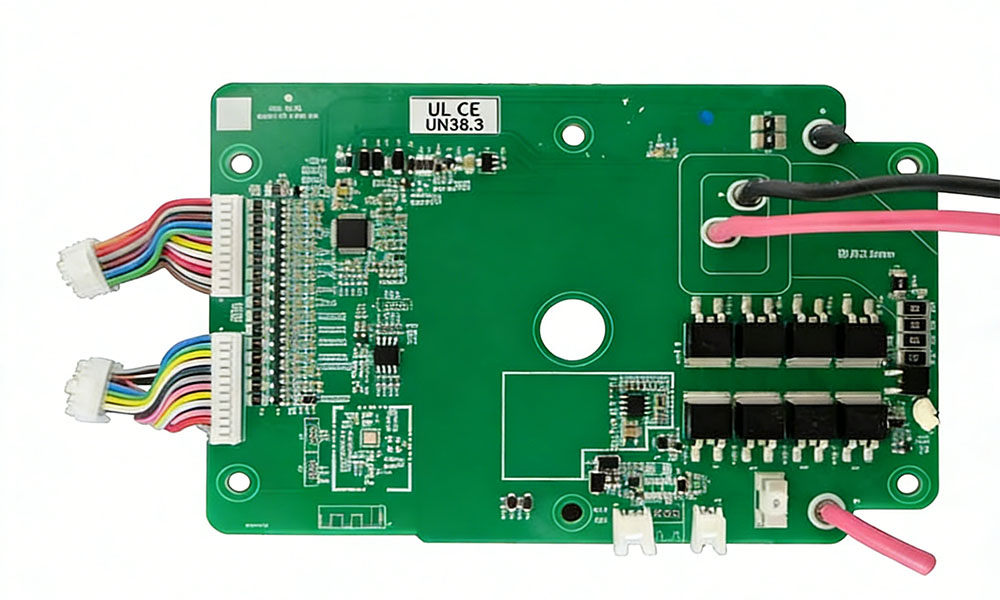
When you’re buying lithium batteries in bulk, you quickly realize it’s not just about the price or the specs. Sure, that’s part of it, but there are so many more things you have to think about. One of the biggest mistakes I see people make is focusing only on the numbers—capacity, cost, size—and skipping over the safety side of things. That’s where the real trouble starts. Because, if you cut corners on safety, you could be setting yourself up for some pretty serious issues down the road.
Let me break it down for you in a way that makes sense. Here are the things that matter when you’re procuring bulk lithium batteries—stuff that’ll save you headaches later.
Why BMS Protection Isn’t Optional
The first thing I tell anyone who asks about bulk battery procurement is this: don’t skimp on the Battery Management System (BMS). It’s easy to get caught up in the specs and overlook this, but trust me—if the BMS isn’t right, nothing else really matters.
Think of the BMS as the nervous system of the battery. It monitors and controls how the battery charges, discharges, and balances its cells. Without it, you’re playing with fire. Seriously, I’ve seen it happen. When you buy bulk batteries, the last thing you want is for one to overheat or short out just because the BMS didn’t do its job.

Here’s the kicker: not all BMS are made equal. Some will be able to handle extreme temperatures or high currents, others won’t. So, don’t just check the specs and move on. You need to ask questions about how the BMS performs under real-world conditions—stuff like heat, vibration, and continuous discharge. Don’t just assume that all BMS are created equal because they aren’t.
Certifications: Don’t Overlook Them
Look, I get it. Certifications might seem like an annoying formality. It feels like just more paperwork to deal with, right? But skipping on proper certifications? That’s a big mistake. UN38.3, CE, and UL certifications aren’t just for show—they’re proof that the batteries have been through some pretty intense testing and are safe to transport and use.
For example, with UN38.3, your batteries get tested for all kinds of conditions, like extreme heat, cold, vibration, and even impact. It’s basically peace of mind that your batteries can handle whatever comes their way, whether they’re on a plane, a truck, or sitting in a warehouse.
If your supplier doesn’t have these certifications, walk away. You might save a few bucks, but trust me—it’s not worth it. I’ve had shipments stuck at customs because the batteries didn’t meet the right standards, and it was a complete pain to sort out.
Shipping: It’s Not Just About Throwing Stuff in a Box
Alright, here’s something a lot of people really mess up—shipping. You’d think it’s easy, right? Just pack up the batteries and ship them off? Well, it’s not that simple, especially when you’re dealing with lithium batteries.
Lithium batteries need specific packaging to meet IATA (for air transport) and IMO (for sea transport) standards. This isn’t just about putting the battery in a box and calling it a day. You need to ensure that your packaging is fire-resistant, anti-static, and clearly labeled as a hazardous material. It sounds like a lot, but it’s the difference between a successful delivery and a potential disaster.
I’ve had more than one shipment delayed or rejected simply because the packaging wasn’t up to scratch. Sometimes the labels weren’t clear enough, or the packaging wasn’t robust enough to withstand the bumps and knocks of shipping. Those little details matter a lot more than you might think.
So here’s the advice: when you’re sourcing these batteries, ask for proof of compliance with shipping regulations. And don’t just take their word for it. Ensure the packaging is actually what they say it is. It’ll save you a ton of time and money in the long run.
Storage: It’s Easy to Forget, But So Important
Now, this part is one that often gets overlooked, but trust me, storage is critical. You might get the perfect batch of batteries, but if they’re stored in the wrong conditions, you’re asking for trouble.
Batteries are picky—they don’t like high temperatures, humidity, or being crammed into a tiny space. If you’re storing them in a warehouse or waiting for a future project, make sure they’re in a climate-controlled space. Batteries that are stored improperly can lose capacity or, worse, fail prematurely. You don’t want to be in a situation where you’ve paid for batteries, stored them for months, and then realize they don’t work properly.

The Bottom Line: Don’t Cut Corners on Safety
At the end of the day, here’s the deal: cutting corners on safety is the quickest way to turn a simple procurement job into a huge headache. Sure, the price might look great, and the specs might check out, but if the BMS isn’t reliable, the certifications aren’t valid, the shipping isn’t compliant, or the storage is done wrong, then you’re just asking for problems down the road.
Take it from me—don’t just look at the numbers. It’s about the whole package—the safety features, the compliance, and the reliability. Because the last thing you want is for your battery to fail in the middle of a project, leaving you scrambling for a solution and losing valuable time and money.
So, next time you’re getting quotes for bulk lithium batteries, think about the bigger picture. Take a deep breath, and make sure you’re covering all your bases. In the long run, it’s those small, often overlooked details that will save you the most trouble.
Related Products
-

12V 4400 mah Lithium ion 3S2P 18650 Battery Pack
-

18650 2000mAh 3.7 volt Lithium-ion Battery
-

18650 20V 3.0Ah Cordless Drill battery
-

18650 22.2V 7.8Ah 2600Mah 6S3P Rechargeable Battery Pack
-

18650 2600mAh Rechargeable Lithium-Ion Battery 3.7V
-

18650 3.7V 10Ah Li-Ion Power Battery Pack
-

18650 3.7V 3300mah Rechargeable Lithium ion Battery
-

18650 7S7P 24V 14Ah Lithium ion Electric Scooter Battery Pack
-

18650 battery 3.7V 1500mAh Lithium-Ion Battery
-

18650 Battery 3500 mah Rechargeable Battery Cells
-

18650 Electric Scooter 48V 13000mAh Lithium Battery
-

2600mAh 3S1P 11.1V 18650 Battery Packs
-

3.7V Li ion Rechargeable 3000mah 18650 Battery Cell
-

36V 5200mAh 10S2P 18650 Battery Pack
-

48v 4400mah 13S2P 18650 Rechargeable Battery Pack
-

7S2P 24V 18650 Lithium Battery Pack
-

Electric Scooter 36V 4400mAH 10S2P 18650 Battery Pack
-

ICR 18650 Battery 2200mah 3.7V
Leave a Reply