
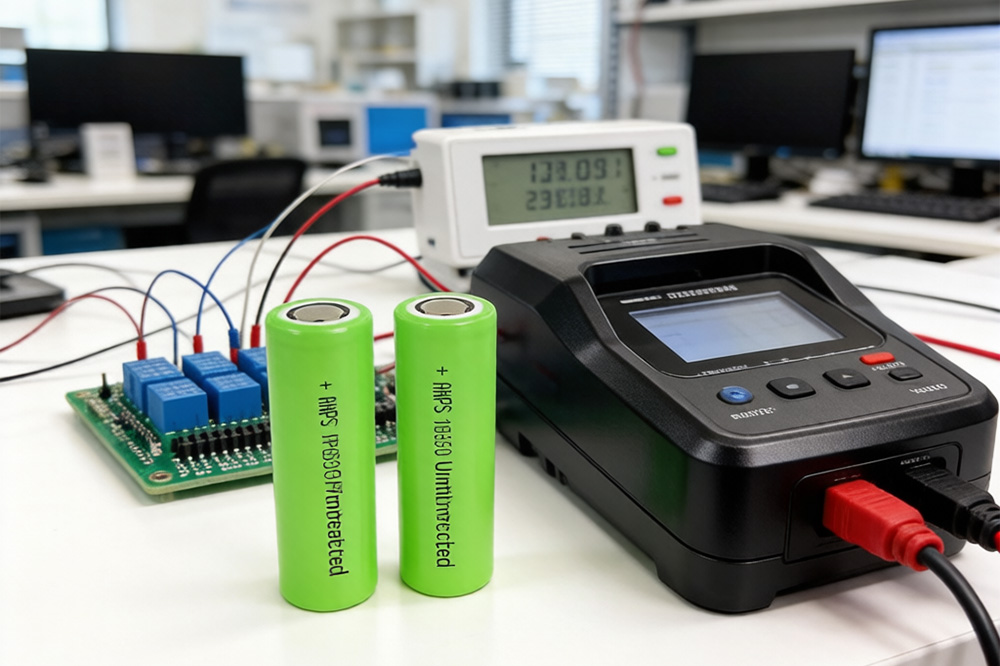
18650 batteries are used in everything from flashlights and portable electronics to DIY battery packs and industrial equipment. One question comes up repeatedly among users and engineers alike: are unprotected 18650 batteries safe?
The short answer is yes — but only when they are used correctly and in the right applications. Unprotected 18650 cells are widely used in high-performance devices because they can deliver higher current and better efficiency. However, they also require more knowledge, proper battery management, and careful handling than protected cells.
If you are considering using cells from a professional 18650 lithium battery supplier, understanding the difference between protected and unprotected batteries is essential before making a choice.
What Is an Unprotected 18650 Battery?
An unprotected 18650 battery is a standard lithium-ion rechargeable cell without an attached protection circuit board (PCB).
Protected batteries include a small electronic circuit that helps prevent:
- Overcharging
- Over-discharging
- Short circuits
- Excessive current draw
Unprotected cells do not have these built-in safeguards. Because of this, they are usually smaller, lighter, and capable of delivering higher discharge currents.
They are commonly used in:
- Power tools
- Battery packs
- Electric mobility products
- High-drain flashlights
- DIY electronics
- Industrial systems with external battery management
Why Do Some Devices Use Unprotected Cells?
Many advanced devices already contain their own protection systems. In these cases, adding a protected battery can sometimes interfere with performance or even prevent the device from working properly.
For example, professionally designed battery packs often include:
- Battery Management Systems (BMS)
- Voltage monitoring
- Thermal protection
- Current limiting
- Cell balancing
When external protection already exists, unprotected cells are often preferred because they:
- Deliver higher current output
- Fit more easily in compact battery holders
- Generate less resistance
- Cost less than protected versions
- Perform better in high-drain applications
This is why many manufacturers and experienced users choose unprotected cells for engineered systems.

The Main Safety Risks of Unprotected 18650 Batteries
While unprotected batteries can be safe, improper use increases the risk of failure.
Overcharging
Lithium-ion cells become unstable if charged beyond their voltage limit. Overcharging may cause overheating, swelling, or thermal runaway.
A proper charger with automatic voltage cutoff is critical.
Over-Discharging
Discharging a lithium-ion battery too deeply can permanently damage the cell. Extremely low voltage may also create internal instability during future charging cycles.
Many devices stop operation automatically before voltage becomes dangerously low. Devices without this feature should not use unprotected cells unless monitored carefully.
Short Circuits
A direct short circuit can release a massive amount of current almost instantly. This may cause:
- Rapid heat buildup
- Venting
- Fire hazards
- Permanent battery damage
Loose batteries carried with metal objects such as keys or coins are particularly dangerous.
Physical Damage
Crushed, punctured, or dented lithium-ion cells should never be reused. Mechanical damage can compromise internal separators and increase the risk of internal short circuits.
Are Unprotected 18650 Batteries Dangerous?
Not inherently.
In reality, most lithium-ion battery packs used in professional equipment rely on unprotected cells combined with external safety systems. The safety depends more on the total system design than on the battery alone.
Problems usually happen when:
- Cheap low-quality cells are used
- Batteries are mismatched in packs
- Incorrect chargers are used
- Users ignore voltage limits
- Cells are physically damaged
- Batteries are stored improperly
Experienced users often safely operate unprotected cells for years because they understand proper charging, storage, and handling procedures.
Protected vs Unprotected 18650 Batteries
| Feature | Protected Cells | Unprotected Cells |
|---|---|---|
| Built-in safety circuit | Yes | No |
| Higher discharge capability | Usually lower | Usually higher |
| Size | Slightly longer | Standard size |
| Best for beginners | Yes | Not always |
| Common in DIY battery packs | Less common | Very common |
| Requires external protection | Less critical | Essential |
| Cost | Higher | Lower |
Who Should Use Unprotected 18650 Batteries?
Unprotected cells are generally best suited for:
- Engineers
- Battery pack designers
- Experienced hobbyists
- Industrial applications
- Devices with integrated BMS protection
- High-drain electronics
Beginners may be safer using protected batteries unless the device specifically requires unprotected cells.

Safety Tips for Using Unprotected 18650 Batteries
Use a Quality Charger
A smart lithium-ion charger with automatic cutoff protection is essential.
Never use damaged or incompatible chargers.
Monitor Voltage Levels
Avoid charging above the recommended maxim
Many experienced users regularly check cell voltage during operation.
Store Batteries Properly
Store batteries in:
- Cool environments
- Dry locations
- Plastic battery cases
- Areas away from direct sunlight
Never carry loose 18650 cells in pockets or bags.
Inspect Batteries Regularly
Do not use batteries that show:
- Torn wraps
- Dents
- Swelling
- Corrosion
- Burn marks
- Strange odors
Damaged lithium-ion cells should be recycled properly.
Avoid Cheap Counterfeit Cells
Low-quality cells often exaggerate capacity ratings and may lack consistent manufacturing standards.
Reliable sourcing matters significantly for battery safety and long-term performance.
Do Unprotected 18650 Batteries Last Longer?
Not necessarily. Lifespan depends more on:
- Charge cycles
- Operating temperature
- Discharge depth
- Charging quality
- Cell chemistry
However, unprotected cells sometimes perform better in demanding applications because the absence of a protection board reduces electrical resistance.
Final Thoughts
So, are unprotected 18650 batteries safe?
Yes — when used in properly designed systems and handled responsibly. They are widely used across professional industries because they provide strong performance, high current output, and flexible integration.
At the same time, they demand greater user awareness and proper battery management. Without built-in protection circuitry, safety depends heavily on the charger, the device, and the user’s handling practices.
For applications that already include a reliable protection system, unprotected 18650 batteries can be an efficient and dependable solution. For casual users or beginners, protected cells may offer additional peace of mind.
Related Products
-

12V 4400 mah Lithium ion 3S2P 18650 Battery Pack
-

18650 2000mAh 3.7 volt Lithium-ion Battery
-

18650 20V 3.0Ah Cordless Drill battery
-

18650 22.2V 7.8Ah 2600Mah 6S3P Rechargeable Battery Pack
-

18650 2600mAh Rechargeable Lithium-Ion Battery 3.7V
-

18650 3.7V 10Ah Li-Ion Power Battery Pack
-

18650 3.7V 3300mah Rechargeable Lithium ion Battery
-

18650 7S7P 24V 14Ah Lithium ion Electric Scooter Battery Pack
-

18650 battery 3.7V 1500mAh Lithium-Ion Battery
-

18650 Battery 3500 mah Rechargeable Battery Cells
-

18650 Electric Scooter 48V 13000mAh Lithium Battery
-

2600mAh 3S1P 11.1V 18650 Battery Packs
-

3.7V Li ion Rechargeable 3000mah 18650 Battery Cell
-

36V 5200mAh 10S2P 18650 Battery Pack
-

48v 4400mah 13S2P 18650 Rechargeable Battery Pack
-

7S2P 24V 18650 Lithium Battery Pack
-

Electric Scooter 36V 4400mAH 10S2P 18650 Battery Pack
-

ICR 18650 Battery 2200mah 3.7V
Leave a Reply