
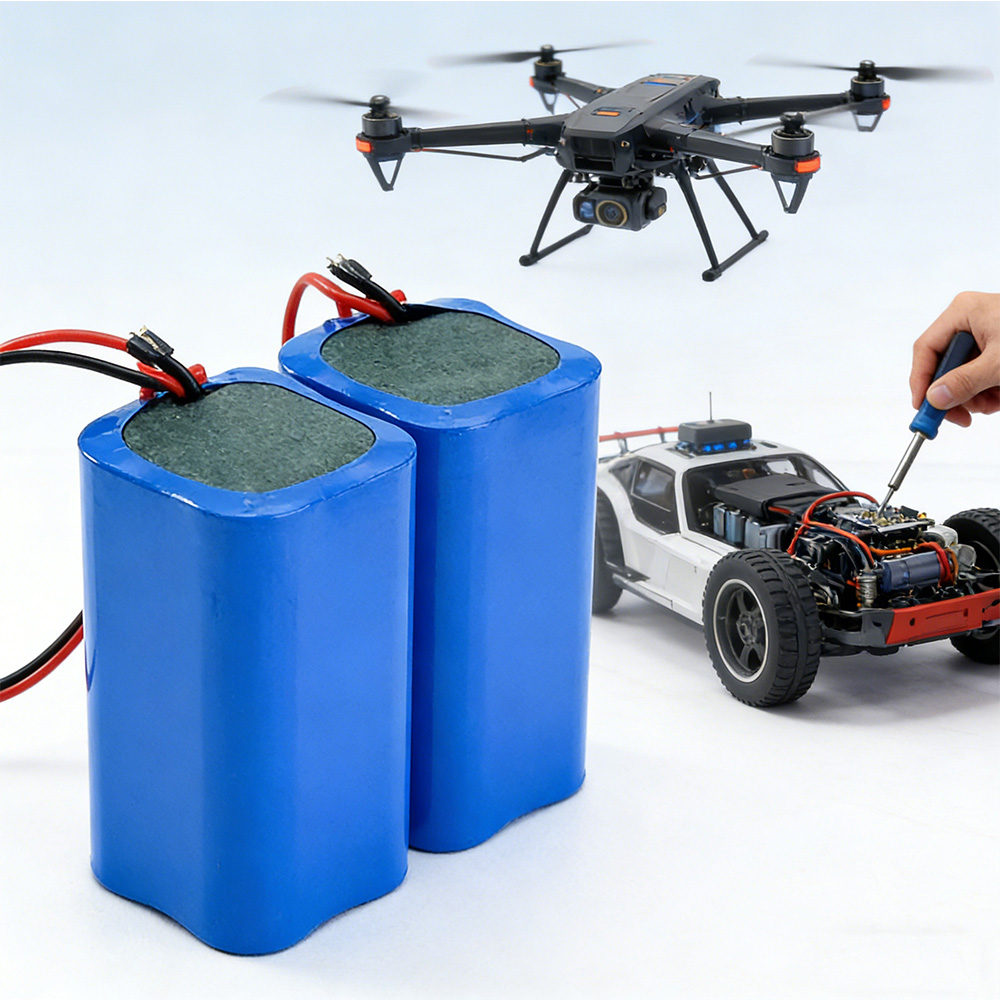
Alright, so you’re looking for puchase the best 18650 battery. Sounds pretty simple, right? Just check the specs—capacity, voltage, maybe the C-rate—and pick one that looks good. here’s some thing… you must to know , There’s a lot more to it.
I mean, don’t get me wrong, numbers like capacity or discharge rate are important, but there’s so much more going on behind the scenes. And when you’re buying in bulk, it’s even trickier. Trust me, I’ve been there.
So, what actually makes the best 18650 battery for your needs? Let’s figure that out together.
Bigger Numbers? Not Always Better
I see it all the time: someone says, “Oh, I need the 18650 battery with the highest capacity.” And, yeah, it seems like a good idea at first. More capacity, more power, right? But Actually what capacity is depend on your applicion device rather than high capacity.
Let me ask you this: what’s the point of having a battery that holds a ton of energy if it can’t deliver it consistently? More capacity means more weight, in some cases, cause slower discharge rate. That maybe cause some issues, for example when you’re use with high-drain devices like drones or power tools.
I didn’t expect this at first, but I’ve learned that balance is key. You want enough capacity, yes, but also a good discharge rate, especially for devices that need quick bursts of power. If you’re just going after the highest mAh number, you might end up with a battery that’s too bulky or doesn’t perform well when you really need it.

What Should Wholesale Buyers Be Thinking About?
Okay, so you’re probably wondering, “What should I focus on then?” Well, that depends on your application. Are you building battery packs for electric bikes? Or maybe you need batteries for high-drain tools or drones?
For wholesale buyers, it’s less about picking the “best” battery off a list and more about finding the right battery for what you need. Let’s break it down:
1. Discharge Rate – It’s About Consistency
Here’s something I’ve learned over the years: high C-rates are awesome, but not always necessary. I mean, if you’re not pushing the battery to its max, why overspend on a super-high C-rate? That’s just adding unnecessary cost.
And here’s the thing – the discharge rate tells you how fast the battery can safely release its energy without getting damaged. If you’re using it in something like a drone or a power tool, you want to make sure it has a good discharge rate that matches your device’s energy needs. Too low, and you’ll see performance issues. Too high? Well, you’re just wasting money.
If you need some guidance on what makes a battery truly perform, check out this article: What is the Best 18650 Rechargeable Battery?
– it really breaks down how discharge rates and other factors impact your day-to-day use.
2. Capacity Isn’t Everything
The High capacity battery sound like is great. Bigger numbers, longer use time, right? But the reality is, it’s all about efficiency.
Higher capacity = more weight. And, if you’re sourcing for drones or power tools, extra weight might be your worst enemy. Imagine adding a 5000mAh cell to your drone, thinking it’ll give you longer flight time, but suddenly, it’s harder to carry off the ground because it’s too heavy.
Don’t get too fixated on the capacity. Energy density is what you really want to focus on. You want a battery that can give you the most power with the least weight. Otherwise, you’re just adding bulk for no reason.
3. Consistency is Everything
We must to know,quality control is more important. You don’t want to got with a bulk of 18650 lithium batteries that perform inconsistently. Imagine you solve all the trouble of sourcing them, but them don’t hold a charge properly or have poor voltage stability.
That’s a nightmare scenario.
So, what should you look for as a buyer? You want batch consistency. The batteries should behave the same every time. And the supplier? They need to have rigorous testing and quality control in place.

Specialized Suppliers vs. General Ones
Now, here’s something I’ve learned the hard way. Don’t just go for the cheapest supplier. Sure, it might be tempting, especially when you’re buying in bulk. But honestly? If you want to puchase for reliable performance, you’re better choose supplier who specializes in custom18650 battery packs. They’re the ones who understand the intricacies of lithium-ion tech and can provide a more reliable battery solution for your application.
If you’re looking for high-performance 18650 batteries, you should check out the 18650 lithium battery product category
. They’ve got a range of batteries for different uses—whether you need something for power tools, drones, or electric bikes. Having specialized products means more consistency and better performance.
So, What Should You Take Away From All This?
Discharge Rate: Don’t overspend on unnecessary C-rates. Match it to your device’s needs.
Capacity: High capacity isn’t always mean more better. The main reasonis on energy density and efficiency.
Consistency: Get batteries from a supplier who’s committed to quality control and batch consistency.
Specialized Suppliers: Don’t go for generic suppliers—specialized ones will understand your needs and give you better suggestion and products.
Final Thoughts
If you’re sourcing 18650 batteries in bulk, don’t just chase big numbers,lt is not a good idea. You also need consider about efficiency, discharge rates, and reliable performance. The best battery? It’s not always the one with the highest specs, but the one that fits your needs and lasts under real-world conditions.
If you want to know more about how different 18650 batteries perform, check out the article of detailed guide: What is the Best 18650 Rechargeable Battery?
. It’ll help you make right puchase decisions when it comes to choosing the right battery for your wholesale projects.
You May Also Like
-

12V 4400 mah Lithium ion 3S2P 18650 Battery Pack
-

18650 2000mAh 3.7 volt Lithium-ion Battery
-

18650 20V 3.0Ah Cordless Drill battery
-

18650 22.2V 7.8Ah 2600Mah 6S3P Rechargeable Battery Pack
-

18650 3.7V 10Ah Li-Ion Power Battery Pack
-

18650 3.7V 3300mah Rechargeable Lithium ion Battery
-

18650 7S7P 24V 14Ah Lithium ion Electric Scooter Battery Pack
-

18650 battery 3.7V 1500mAh Lithium-Ion Battery
-

18650 Electric Scooter 48V 13000mAh Lithium Battery
-

2600mAh 3S1P 11.1V 18650 Battery Packs
-

3.7V Li ion Rechargeable 3000mah 18650 Battery Cell
-

36V 5200mAh 10S2P 18650 Battery Pack
-

48v 4400mah 13S2P 18650 Rechargeable Battery Pack
-

7S2P 24V 18650 Lithium Battery Pack
-

Electric Scooter 36V 4400mAH 10S2P 18650 Battery Pack
-

ICR 18650 Battery 2200mah 3.7V
Leave a Reply