
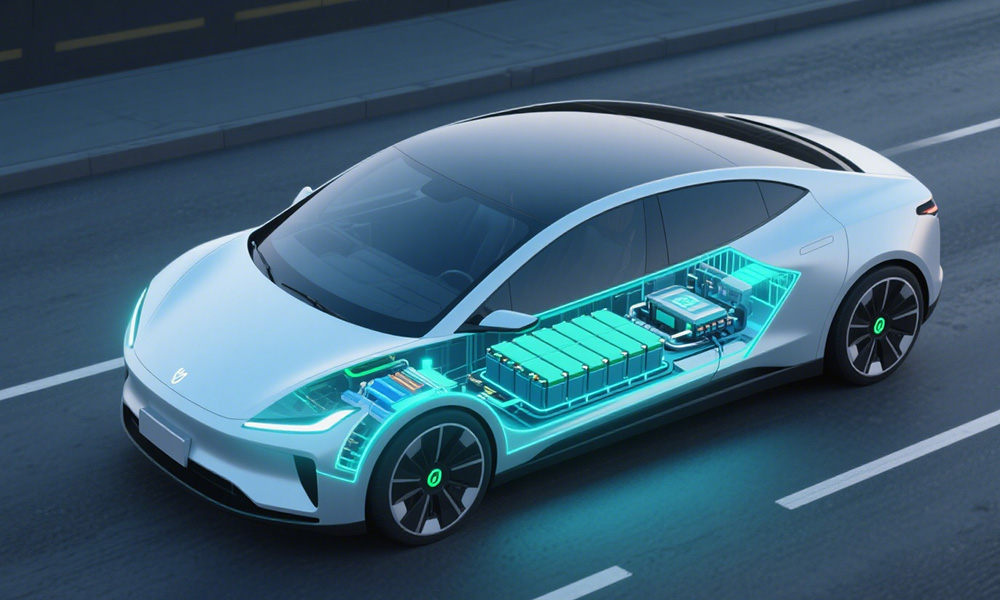
One of the biggest concerns for anyone buying an electric vehicle is: how long will the battery last, and how much will it cost to replace? In truth, the ev lithium ion battery pack is the soul of an EV. It’s not just the most expensive component—it determines the vehicle’s performance, lifespan, and safety.
Many of the information online is either overly technical or promotional. Here, I want to explain in plain terms, using real-world examples, how these batteries work, their lifespan, price trends, and some practical use cases.

What is EV Lithium Ion Battery Pack?
Said simply , it’s high-energy-density battery pack encased in sturdy shell, designed to power electric motor. Besides supplying energy, it works together with 12V auxiliary battery, DC-DC converter, charging interface, and electronic control systems to keep the vehicle running smoothly.
Interestingly, while it operates on the same basic principles as a smartphone battery, the design, size, and safety requirements are far more complex. A single EV battery can weigh hundreds of kilograms and contain thousands of small cells. Proper thermal management is critical; without it, extreme conditions could lead to overheating or, in rare cases, thermal runaway.
How Long Do EV Batteries Last?
Many people assume EV batteries wear out as quickly as phone batteries, but that’s not the case.
Tests show that in moderate climates, EV lithium ion batteries can last 12–15 years. Even under harsh conditions with frequent fast charging, they often endure 8–12 years. In other words, you may replace your car before the battery truly fails.
For instance, a friend of mine in Shenzhen drives his EV for ride-hailing. Despite daily high-intensity use and frequent fast charging, his battery still retains over 70% capacity after six years. He later repurposed it for home energy storage, extending its usefulness. This is prime example of “second-life” battery applications.

Price Trends: Batteries Are Cheaper More Than Your Think
In recent years, EV battery costs have been dropping sharply. In 2024, the average EV battery pack price reached $115 per kWh, down 20% from the previous year.
What does this mean in practice? A typical 60 kWh home-use EV battery, for example, used to cost nearly $10,000 a few years ago. Now, the cost has dropped to roughly $6,000–$7,000. With mass production and new technologies, prices are expected to continue falling, making EVs more affordable relative to traditional gas-powered cars.
Environment and Safety: Challenges and Progress
EV battery must be durable and capable of withstanding harsh environments. Studies show that high or low temperatures and humidity can accelerate battery degradation or even cause safety issues.
To mitigate this, engineers have enhanced thermal management systems and improved cell materials. Solutions include heat sinks, liquid cooling, and safer chemical formulations. While this may sound like lab work, the ultimate goal is to make EVs safer and more reliable for everyday drivers.
Custom Batteries: When Standard Options Aren’t Enough
Not everyone can find battery that perfectly suits their needs. For EV modifications or niche vehicle projects, many people turn to custom ev lithium ion battery packs.
This path isn’t always easy. Some enthusiasts complain online about unavailable cell specifications or difficulty finding trustworthy suppliers. Others turn to small battery workshops or engineers to handcraft battery packs. DIY projects often involve connecting hundreds of cells in series and parallel to create a pack tailored to the vehicle.
These real-world stories highlight that, despite the growth of the EV market, certain specialized battery needs still require creativity and effort to meet.

Conclusion
If electric vehicle is like high-tech toy, the ev lithium ion battery pack is its heart. It determines range, lifespan, cost, and safety.
The good news is that battery technology is advancing rapidly: longer lifespans, lower costs, and enhanced safety features. In the next decade, many batteries reaching the end of their first life will find a second life in home energy storage or grid balancing.
For consumers, understanding the battery isn’t about becoming an expert—it’s about making informed decisions and avoiding unnecessary expenses. After all, if you’re spending tens of thousands on an EV, it’s worth knowing how long the battery will last and whether it’s worth the price.
Leave a Reply