
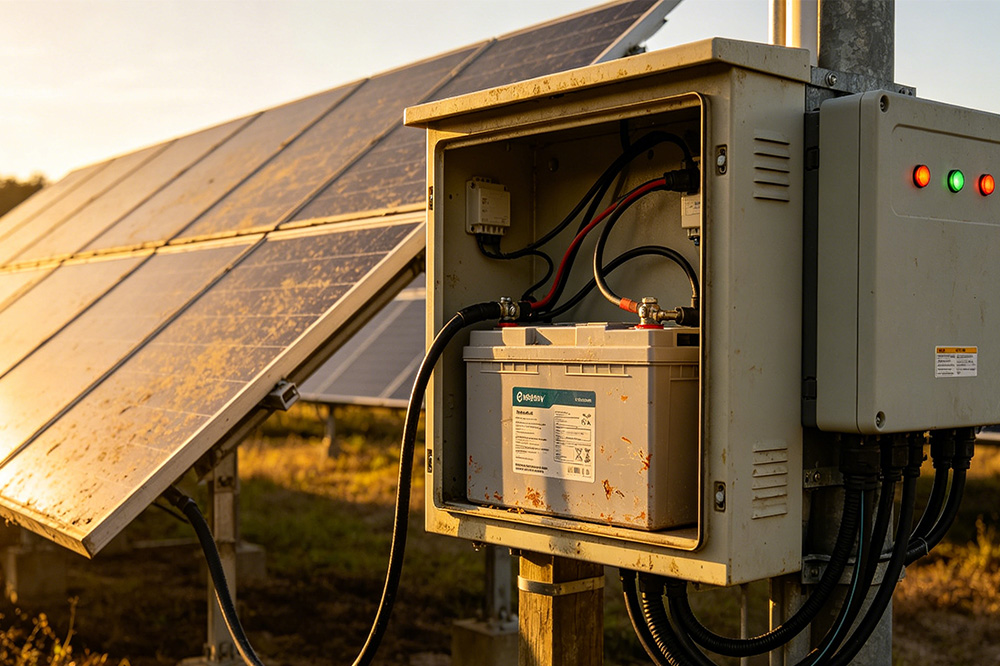
One of the first things people ask about a 12V 100Ah LiFePO4 battery is:“How long will it last?”
And depending on where you look, the answers can sound wildly different.
Some listings say:
- 4000 cycles
- 6000 cycles
- even 15000 cycles
Technically, those numbers may not be wrong.
But in real-world use, battery lifespan depends on a lot more than the spec sheet.
Cycle Life vs Real Usage
Cycle life is usually measured under controlled conditions.
That means:
- stable temperature
- ideal charging
- controlled discharge depth
- low stress conditions
Real systems rarely work like that.
In actual applications — especially solar, RV, or marine — usage is much less predictable.
What Actually Affects Lifespan
In practice, battery lifespan usually depends on a few key things.
1. Depth of Discharge (DOD)
The deeper you discharge the battery, the more stress it experiences.
Example:
- shallow cycles → longer lifespan
- repeated full discharge → faster wear
LiFePO4 handles deep cycling much better than lead-acid, but it still benefits from moderate use.

2. Temperature
Heat is one of the biggest long-term enemies of lithium batteries.
High temperatures can accelerate:
- cell aging
- internal resistance growth
- capacity loss over time
Cold weather matters too, especially during charging.
That’s why BMS temperature protection is important.
3. Charging Quality
Not all charging systems behave the same.
Poor charging setup can cause:
- imbalance
- unstable voltage
- unnecessary stress on cells
A stable charger and proper settings make a noticeable difference over time.
4. Load Conditions
A battery powering small electronics behaves differently from one constantly driving heavy inverters or motors.
Higher current loads generally mean:
- more heat
- more stress
- shorter long-term lifespan
This is one reason system sizing matters.
Why Two “4000 Cycle” Batteries Can Age Differently
This confuses a lot of buyers.
Two batteries may advertise similar cycle life but perform differently after a year or two.
Usually the difference comes from:
- cell quality
- matching consistency
- BMS behavior
- assembly quality
The cycle number alone doesn’t tell the whole story.

What Lifespan Looks Like in Real Applications
In practical use, a well-built LiFePO4 battery often lasts:
- several years in daily solar cycling
- many RV travel seasons
- long-term backup power use
Not necessarily because it avoids wear — but because degradation happens more gradually and predictably compared to lead-acid.
A Common Misunderstanding About “End of Life”
Lithium batteries don’t usually fail all at once.
More often, users notice:
- reduced runtime
- slower charging behavior
- lower usable capacity
The battery still works — just not as well as before.
That gradual decline is normal over time.
Why Consistency Matters More for Bulk Buyers
For individual use, lifespan differences may not seem dramatic.
For distributors or installers, it matters much more.
Especially if:
- multiple batteries are deployed together
- systems rely on long-term stability
- repeat orders need predictable quality
That’s why products like this
12V 100Ah LiFePO4 battery
are usually designed with more focus on:
- stable cell grading
- balanced assembly
- reliable BMS protection
because long-term consistency matters more than just advertising a high cycle number.

A Practical Way to Extend Battery Life
A few habits make a surprisingly big difference:
- avoid extreme heat
- don’t leave the battery fully empty for long periods
- size the system properly
- avoid constantly pushing maximum load
Most lithium batteries age much better when the system itself is balanced.
Final Thought
A 12V 100Ah LiFePO4 battery can last a long time — but lifespan isn’t just about chemistry.
It’s about:
- how the battery is built
- how the system is designed
- and how the battery is actually used over time
That’s why real-world performance matters more than headline cycle numbers alone.


Leave a Reply