
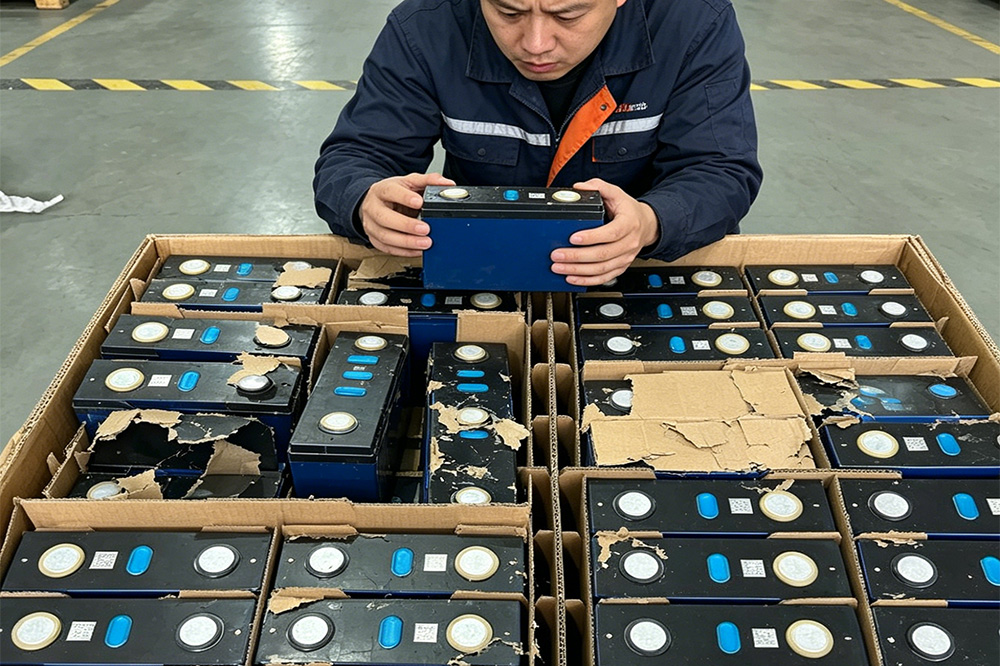
On paper, sourcing 12V 100Ah LiFePO4 batteries looks straightforward.
You compare specs, check price, place an order — done.
In reality, most problems don’t show up until after delivery.
And by then, fixing them is already expensive.
Here are some of the more common issues I’ve seen (and heard from buyers), and what you can do to avoid them early.
1. Same Spec, Different Performance
This one catches a lot of people off guard.
Two batteries both labeled “12V 100Ah” can behave very differently in real use.
Possible reasons:
- cells from different batches
- inconsistent matching
- variations in internal resistance
At first everything looks fine.
After a few cycles, differences start to show.
2. Capacity That Doesn’t Quite Add Up
Sometimes the battery technically works — but doesn’t last as long as expected.
You might notice:
- shorter runtime
- faster voltage drop
- inconsistent discharge behavior
This doesn’t always mean “fake capacity,” but it usually points to:
Loose quality control
3. BMS-Related Issues (Often Misunderstood)
A lot of complaints are actually BMS-related, not cell-related.
Typical situations:
- sudden shutdown under load
- battery cuts off even when not empty
- inconsistent behavior between units
For the end user, it just feels like the battery is unreliable.

4. Problems in Parallel Systems
Things get more obvious when batteries are used together.
If they’re not well matched, you may see:
- uneven charging
- one battery draining faster
- system imbalance over time
This is especially common in bulk projects where consistency matters.
5. Batch-to-Batch Differences
The first order works fine.
The second order… not quite the same.
This happens more often than people expect.
Reasons include:
- different cell supply
- changes in internal components
- inconsistent assembly standards
For distributors, this creates real headaches.
6. Over-Focusing on Price
This is probably the most common issue.
Lower price is tempting — especially for bulk orders.
But in practice, the cost often shifts to:
- higher failure rate
- returns and replacements
- customer complaints
It’s not about choosing the most expensive option — just avoiding the ones that cut too many corners.
7. Lack of Application Fit
Not every 100Ah battery works the same in every system.
For example:
- RV setups → sensitive to BMS limits
- solar systems → require stable cycling
- marine use → needs vibration resistance
If the battery isn’t designed with the application in mind, problems show up faster.

How to Avoid These Issues
You don’t need to overcomplicate things. A few simple checks go a long way:
- ask about cell matching, not just “Grade A”
- confirm BMS behavior under real load
- check if batches are consistent over time
- test before scaling up
And most importantly:
don’t rely only on spec sheets
Choosing a More Stable Option
If you’re sourcing regularly, consistency matters more than anything.
A product like this
12V 100Ah LiFePO4 battery
is typically structured with:
- more controlled cell selection
- stable BMS performance
- better batch consistency
That doesn’t eliminate all risk — but it reduces the chances of running into the issues above.
A Simple Way to Reduce Risk
One approach that works well:
- start with a small order
- test in your actual application
- monitor performance over a few cycles
- then scale
It’s slower at the beginning, but saves a lot of trouble later.
Final Thought
Most sourcing problems aren’t dramatic failures.
They’re small inconsistencies that add up over time.
And those are harder to deal with — especially once products are already in the field.
If you can catch them early, everything becomes easier.


Leave a Reply