
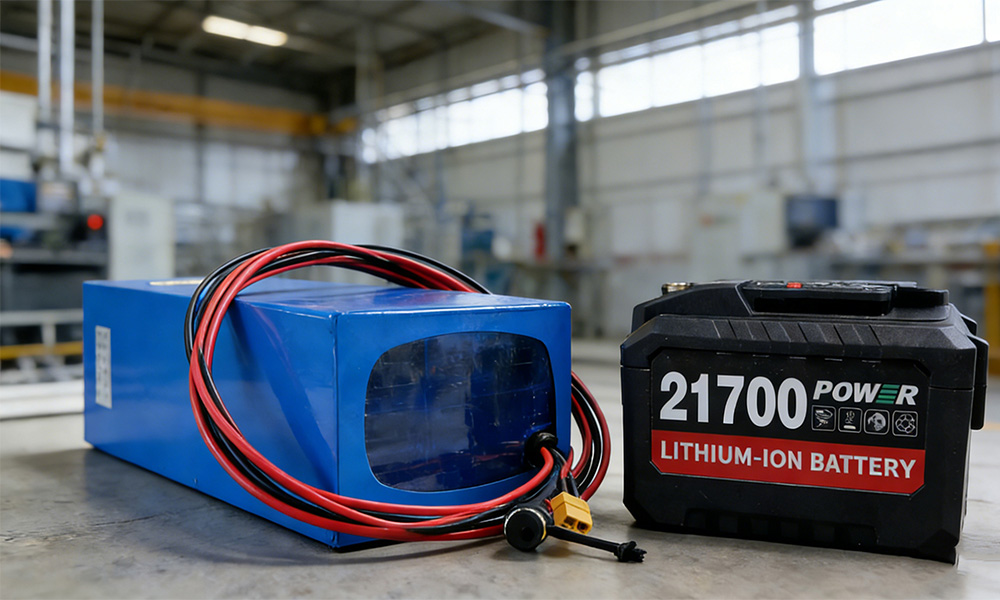
Over the past few years, the 21700 battery cell has really taken off. People building e-bikes or industrial battery packs aren’t using it because it’s new—they’re using it because it works better than the older 18650 cells in ways that matter. You get more capacity, better heat handling, and longer-lasting packs, which is a big deal if you’re buying or integrating hundreds of cells.
E-Bikes: Fewer Cells, Smarter Packs
Take e-bikes, for example. Riders want longer rides without the pack getting ridiculously heavy. A 21700 cell, like the 3.7V 21700 rechargeable lithium battery cells 5000mAh, stores more energy than a typical 18650. That means you can use fewer cells to hit the same voltage and capacity, which makes the pack lighter and simpler.
Fewer cells also mean fewer welds, fewer things that can go wrong, and packs that are easier to assemble. In real-world terms, that’s fewer headaches for both manufacturers and end users.

Heat Matters: Why Bigger Cells Are Better
One of the underrated benefits of 21700s is how they handle heat. Larger cells spread heat out better. In an e-bike, that means less voltage drop when climbing hills or accelerating hard. In an industrial energy storage pack, it can mean you don’t need an elaborate cooling system, which saves both space and money.
Industrial Energy Storage: Consistency Is Everything
If you’re putting together a big battery bank for solar storage, backup power, or commercial use, consistency is critical. One weak cell in a string can throw off the whole pack. Using 21700 cells makes it easier to build modules that behave predictably, with fewer cells per module and less wiring to manage. That translates to fewer maintenance headaches down the road.
Performance Under Load
Another practical point: 21700 cells maintain their voltage under heavy current better than 18650s. Whether it’s a hill-climbing e-bike or a storage pack supplying a surge of energy, that stability matters. Bulk buyers need to look beyond the nominal mAh rating—what counts is how much energy you actually get when you pull a real load.
Longevity and Life Cycles
These cells last. Properly integrated 21700 battery packs can run through thousands of cycles before capacity noticeably drops. That’s why savvy buyers often test sample batches before placing big orders—it’s cheaper to catch potential issues early than after assembly.

Price Isn’t Everything
It’s tempting to chase the cheapest cells, but the real measure is value over the pack’s lifetime. A slightly higher per-cell price can save money through simpler assembly, fewer replacements, and lower risk of failure. When you’re ordering hundreds or thousands of cells, that difference adds up.
Supply Stability: The Unsung Factor
Finally, bulk buyers need consistency across shipments. A supplier might offer a great price today, but what about six months from now? Reliable sources provide batch guarantees and documentation, so you can build packs that behave the same every time.
Conclusion: Why 21700 Makes Sense
21700 cells aren’t just bigger—they’re smarter for both mobile and stationary battery systems. They simplify pack design, handle heat better, and last longer. Whether it’s e-bikes or industrial energy storage, using the right 21700 cell makes a tangible difference.
Recommend Products
-

12V 4400 mah Lithium ion 3S2P 18650 Battery Pack
-

18650 20V 3.0Ah Cordless Drill battery
-

18650 22.2V 7.8Ah 2600Mah 6S3P Rechargeable Battery Pack
-

18650 2200Mah 10S3P 36V 6.6Ah Electric Scooter Lithium Battery
-

18650 2600Mah 10S3P 36V 7.8ah Scooter Battery
-

18650 3.7V 10Ah Li-Ion Power Battery Pack
-

18650 36V 5.2Ah Electric Bicyle Battery
-

18650 7S7P 24V 14Ah Lithium ion Electric Scooter Battery Pack
-

18650 Electric Scooter 48V 13000mAh Lithium Battery
-

1S2P 3.7V 1600mAh 14500 Lithium Battery
-

2000Mah 18650 Battery Cell 6Ah 36V Scooter Battery
-

21700 3.7V 4800mAh Rechargeable Lithium-Ion Battery
-

2600mAh 3S1P 11.1V 18650 Battery Packs
-

3.7V 21700 Rechargeable Lithium Battery Cells 5000mah
-

3.7V 5000mah 26650 Battery
-

32140 LiFePO4 Battery Cell 3.2V – 10000mAh / 15000mAh
-

32700 Lifepo4 3.2V 6000mah Lithium Battery
-

36V 5200mAh 10S2P 18650 Battery Pack
-

48V 15ah 720wh Ebike Battery
-

48v 4400mah 13S2P 18650 Rechargeable Battery Pack
-

60V 21Ah 18650 16S7P E Bike Battery
-

7S2P 24V 18650 Lithium Battery Pack
-

Customized 48V-72V Triangle Ebike Lithium Battery Pack | 52V 30Ah
-

Electric Scooter 36V 4400mAH 10S2P 18650 Battery Pack
Leave a Reply