
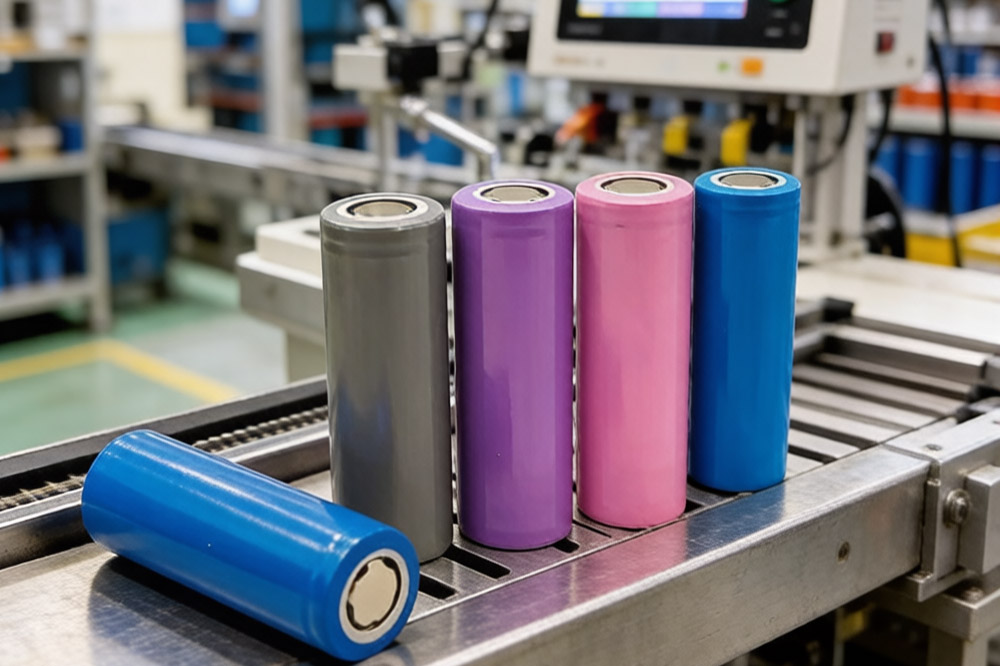
If you’ve sourced 18650 batteries before, you already know one thing — on paper, they all look similar. Same size, same voltage, same 2200mAh capacity.
But once you actually put them into production, the differences show up fast.
Some batches perform well. Others start causing issues — unstable output, short cycle life, or worse, complaints from your end customers.
That’s why most experienced buyers don’t just look at specs. They look at the supplier behind the battery.
Not All 2200mAh Cells Are the Same
A 3.7V 2200mAh 18650 cell sounds standard, but in reality, there are big differences in:
- Cell grading
- Internal resistance
- Actual usable capacity
- Consistency across batches
If you’re assembling battery packs, even small inconsistencies can slow down your production line.
If you’re building finished products, it can turn into warranty issues later.
Here’s a typical reference model many buyers start with:bulk 18650 battery 2200mah

What Bulk Buyers Usually Check First
From real procurement experience, most buyers focus on three things early:
1. Batch Consistency
You don’t want to sort cells manually. Good suppliers already do matching and grading before shipping.
2. Stable Supply
Running out of stock mid-production is a bigger problem than paying a slightly higher price.
3. Clear Documentation
UN38.3, MSDS, test reports — especially if you ship internationally.
If a supplier hesitates here, it’s usually a red flag.
Price Is Important — But Not the Way You Think
Everyone asks for the lowest price. That’s normal.
But in battery sourcing, the cheapest option often ends up costing more later.
Typical problems include:
- Capacity doesn’t match spec
- High self-discharge
- Short cycle life
- Inconsistent batches
What most experienced buyers do instead is compare price vs stability over time, not just unit cost.

OEM Projects: Plan Earlier Than You Think
If you’re buying for an OEM or long-term project, don’t wait until production starts to lock your battery supplier.
Things you’ll want to confirm early:
- Long-term availability of the same model
- Whether specs will stay consistent
- Custom options (tabs, wires, packs)
- Lead time during peak season
Changing battery suppliers mid-project is messy and expensive.
A Few Mistakes That Happen All the Time
Even experienced teams run into these:
- Mixing different grades in one order
- Not testing samples under real load conditions
- Ignoring discharge rate requirements
- Choosing suppliers based only on price
- No factory background check
Most of these don’t show up immediately — but they always show up later.
Final Thought
The 18650 battery 3.7V 2200mAh is a mature product. That’s actually a good thing — it means stable supply is possible.
But it also means the market is crowded, and quality varies more than people expect.
If you’re buying in bulk, the goal isn’t just to find a supplier.
It’s to find one you don’t have to replace six months later.
If you’re currently comparing options, it’s worth starting with a stable, standard model like this:2200mah li-ion battery supplier
Related Products
-

12V 4400 mah Lithium ion 3S2P 18650 Battery Pack
-

18650 2000mAh 3.7 volt Lithium-ion Battery
-

18650 20V 3.0Ah Cordless Drill battery
-

18650 22.2V 7.8Ah 2600Mah 6S3P Rechargeable Battery Pack
-

18650 2600mAh Rechargeable Lithium-Ion Battery 3.7V
-

18650 3.7V 10Ah Li-Ion Power Battery Pack
-

18650 3.7V 3300mah Rechargeable Lithium ion Battery
-

18650 7S7P 24V 14Ah Lithium ion Electric Scooter Battery Pack
-

18650 battery 3.7V 1500mAh Lithium-Ion Battery
-

18650 Battery 3500 mah Rechargeable Battery Cells
-

18650 Electric Scooter 48V 13000mAh Lithium Battery
-

2600mAh 3S1P 11.1V 18650 Battery Packs
-

3.7V Li ion Rechargeable 3000mah 18650 Battery Cell
-

36V 5200mAh 10S2P 18650 Battery Pack
-

48v 4400mah 13S2P 18650 Rechargeable Battery Pack
-

7S2P 24V 18650 Lithium Battery Pack
-

Electric Scooter 36V 4400mAH 10S2P 18650 Battery Pack
-

ICR 18650 Battery 2200mah 3.7V
Leave a Reply