
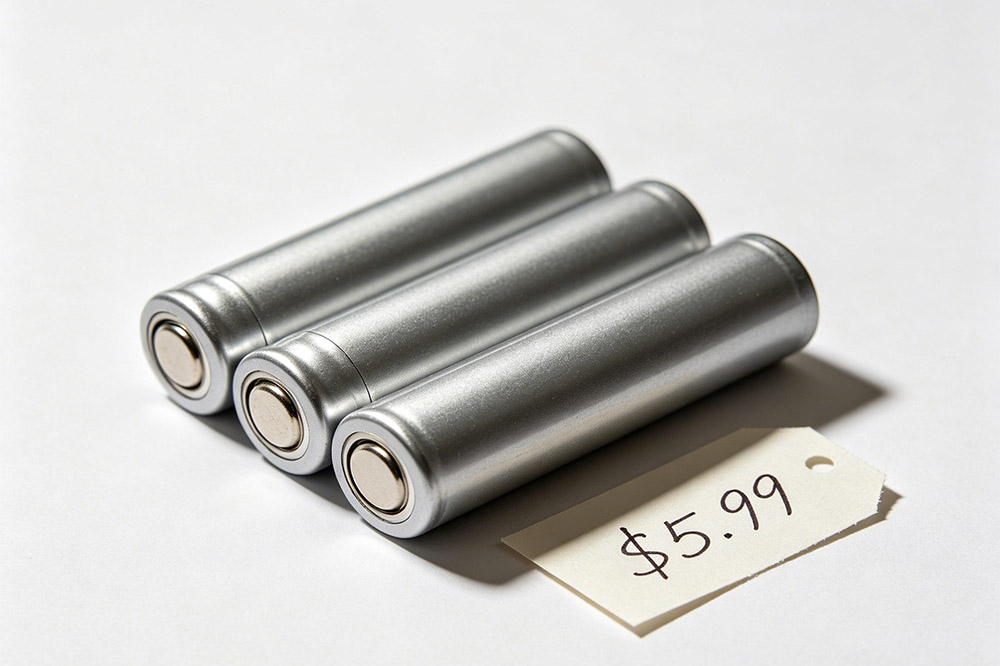
18650 3.7V 2200mAh Battery Price: Why the Difference Is So Big
If you’ve already requested a few quotes for 18650 3.7V 2200mAh batteries, you’ve probably noticed one thing:
The prices are never the same.
Same specification. Same 3.7V. Same 2200mAh capacity.
But the cost can vary a lot between suppliers.
At first glance, it doesn’t seem logical.
However, once you’ve worked with multiple battery batches or suppliers, the reason becomes clear.
It’s Not Just the Specification — It’s What’s Behind the Cell
On paper, many 18650 2200mAh lithium-ion batteries look identical.
But in real production and supply, they are not the same product.
The price difference usually comes from several hidden but important factors:
- Cell grading consistency (A grade vs mixed grade cells)
- Stability between production batches
- Real tested capacity vs labeled 2200mAh
- Cycle life performance (how long the battery actually lasts in use)
- Quality control standards during manufacturing
These details are often not clearly shown in basic datasheets or product listings.
The Biggest Price Gap Comes From Cell Quality
Among all factors, cell quality is the main reason behind large price differences.
Some suppliers use tightly matched A-grade cells with strict internal resistance control.
Others may mix cells from different batches or with less strict screening standards.
At the beginning, both may look similar in performance.
They all power devices normally and pass basic testing.
But after several charge and discharge cycles, the difference becomes obvious:
- Capacity drops faster in lower-grade cells
- Voltage stability becomes inconsistent
- Pack performance varies more significantly
For battery pack assembly, this difference is even more noticeable, especially in series or parallel configurations where consistency matters more than peak capacity.

Capacity Looks the Same — Until You Test It
A label says 2200mAh.
But under real use, it might be lower.
Not dramatically lower.
Just enough to cause issues over time.
That’s why experienced buyers don’t rely on labels.
They test under actual load.
If you need a baseline for comparison, this is a typical spec people start with:
https://www.anpsglobal.com/product/icr-18650-battery-2200mah-3-7v/
Cheap Now, Expensive Later
A lower quote looks good at the beginning.
But here’s what often happens:
- shorter cycle life
- higher failure rate
- more replacements
- more time spent checking batches
In the end, the “cheap” option takes more effort to manage.
What Smart Buyers Actually Compare
Instead of just looking at price, they check:
- does the capacity hold under load
- are cells consistent within the batch
- can the supplier keep the same spec next time
- are documents and shipping handled properly
Only after that do they look at price again.
A Simple Way to Think About Cost
There are really two types of cost:
1. Unit price (what you see first)
2. Stability cost (what shows up later)
Most problems come from focusing only on the first one.

If You Want to Lower Cost, Do This Instead
Don’t just push for a lower quote.
Try this:
- stick to one stable model
- build a repeat order with the same supplier
- increase volume gradually
- avoid changing specs too often
It’s less about bargaining, more about consistency.
Final Thought
With 18650 3.7V 2200mAh batteries, the market is mature.
There are plenty of suppliers.
The hard part isn’t finding one.
It’s finding one that stays consistent.
If you’re comparing options right now, start with something standard and stable, then test from there:
https://www.anpsglobal.com/product/icr-18650-battery-2200mah-3-7v/
Related PRroducts
-

12V 4400 mah Lithium ion 3S2P 18650 Battery Pack
-

18650 2000mAh 3.7 volt Lithium-ion Battery
-

18650 20V 3.0Ah Cordless Drill battery
-

18650 22.2V 7.8Ah 2600Mah 6S3P Rechargeable Battery Pack
-

18650 2600mAh Rechargeable Lithium-Ion Battery 3.7V
-

18650 3.7V 10Ah Li-Ion Power Battery Pack
-

18650 3.7V 3300mah Rechargeable Lithium ion Battery
-

18650 7S7P 24V 14Ah Lithium ion Electric Scooter Battery Pack
-

18650 battery 3.7V 1500mAh Lithium-Ion Battery
-

18650 Battery 3500 mah Rechargeable Battery Cells
-

18650 Electric Scooter 48V 13000mAh Lithium Battery
-

2600mAh 3S1P 11.1V 18650 Battery Packs
-

3.7V Li ion Rechargeable 3000mah 18650 Battery Cell
-

36V 5200mAh 10S2P 18650 Battery Pack
-

48v 4400mah 13S2P 18650 Rechargeable Battery Pack
-

7S2P 24V 18650 Lithium Battery Pack
-

Electric Scooter 36V 4400mAH 10S2P 18650 Battery Pack
-

ICR 18650 Battery 2200mah 3.7V
Leave a Reply