
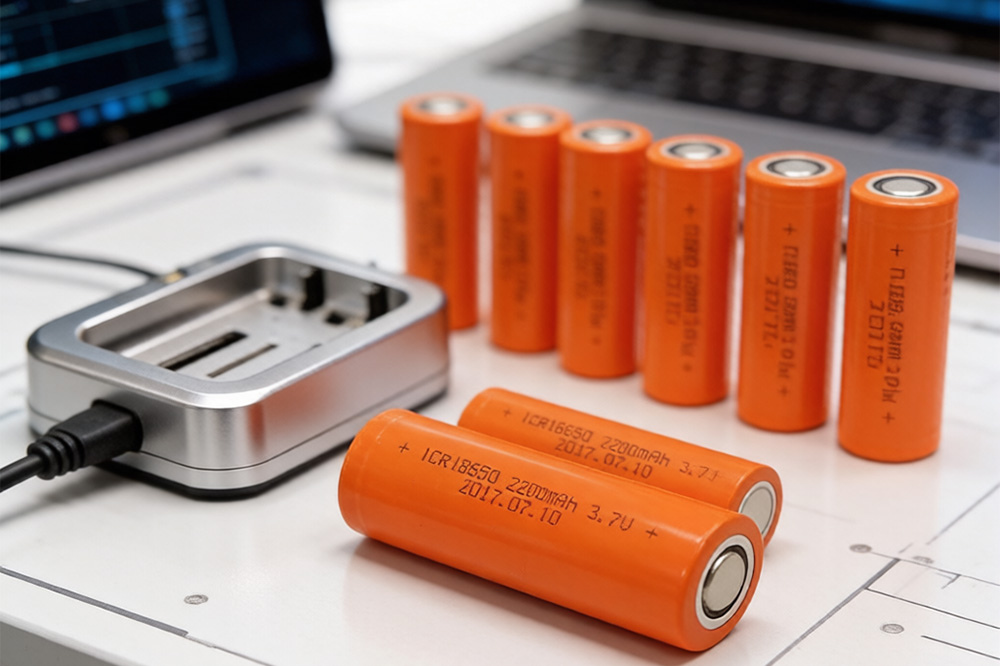
If you’ve ever tried buying 18650 rechargeable batteries, you probably already noticed something: there’s no single “best” option that fits everything.
People use these batteries in very different devices — flashlights, vape devices, power banks, laptops, DIY battery packs, even drones and industrial equipment. So what counts as “best” depends heavily on what you’re trying to power.
After looking at real user discussions, long-term testers, and technical comparisons, a few things become clear: performance, safety, and consistency matter far more than brand names alone.
Let’s break it down in a practical way.
What Makes Good 18650 Battery?
Before talking about “best,” it helps to understand what people actually care about in real use.
Across flashlight users, electronics hobbyists, and DIY battery builders, the same criteria keep coming up:
- Real capacity (mAh) — not inflated numbers
- Stable discharge rate (A rating)
- Low voltage drop under load
- Cycle life (how long it lasts over time)
- Safety protections (especially in unprotected cells)
- Consistency between cells (important for battery packs)
A lot of experienced users also point out one important thing: a “high capacity” battery that performs poorly under load is often worse than a slightly lower-rated but stable cell.
The Two Main Types You’ll See
1. High-capacity 18650 cells (energy-focused)
These are designed for longer runtime, not extreme power output.
Typical uses:
- Flashlights
- Power banks
- Low to medium drain devices
- Portable electronics
People usually choose these when they want devices to last longer between charges.
2. High-drain 18650 cells (power-focused)
These are built for situations where the battery must deliver strong current.
Typical uses:
- Vape devices
- High-performance flashlights (turbo modes)
- Power tools
- DIY battery packs requiring high output
Users often prefer these because they maintain voltage better under heavy load.

What Real Users Say Matters Most
Across long forum discussions and battery communities, a few opinions repeat often:
- “Don’t trust printed capacity alone.”
- “Internal resistance matters more than marketing specs.”
- “Matched cells are critical for battery packs.”
- “Safety is more important than squeezing extra mAh.”
Many experienced users also recommend sticking to well-tested cell types instead of chasing the highest numbers on paper.
Commonly Recommended 18650 Battery Characteristics
While exact models vary depending on use case, the most recommended 18650 cells usually fall into these categories:
High-capacity range (for runtime)
- Around 3000–3500mAh
- Moderate discharge (5A–10A range)
- Stable voltage curve
- Used in everyday electronics and lighting devices
High-drain range (for performance)
- Around 2500–3000mAh
- Higher discharge capability (15A–30A+)
- Better heat control under load
- Used in power-demanding devices
Most experienced users agree: you don’t pick one “perfect battery,” you pick based on your load requirements.
Button Top vs Flat Top (Often Overlooked)
One detail that comes up a lot in real discussions is battery shape.
- Flat top cells → common in battery packs and DIY builds
- Button top cells → often used in flashlights and devices needing physical contact extension
Choosing the wrong type can make a battery completely incompatible, even if the specs look correct.
Safety Is Not Optional
One of the strongest points raised in battery communities is safety.
Good 18650 batteries should:
- Have proper protection (when required by application)
- Be from cells with consistent manufacturing quality
- Not be over-discharged or overcharged
- Be used with proper battery management systems in packs
Cheap or unverified cells are often where problems happen — not necessarily in everyday use, but under load or long-term cycling.
Where 18650 Batteries Are Commonly Used
Today, 18650 cells show up in more places than most people realize:
- LED flashlights
- Solar storage systems
- Portable power stations
- E-bikes and scooters
- Laptop battery packs
- DIY energy storage projects
- Industrial backup systems
If you’re building or replacing a pack, choosing consistent cells is often more important than choosing the highest rating.
You can explore different options in this category of 18650 lithium batteries.

Practical Buying Advice (What Actually Works)
Instead of chasing “the best 18650 battery,” most experienced users follow a simpler approach:
- Match battery type to device (high-capacity vs high-drain)
- Avoid unrealistic capacity claims
- Use identical cells in battery packs
- Prioritize stable discharge over peak numbers
- Choose reputable manufacturing sources
- Don’t mix old and new cells together
That’s basically what separates reliable performance from frustrating battery issues.
Final Thoughts
There isn’t one universal “best” 18650 rechargeable battery.
There are only better choices depending on your use case.
If you’re running low-power devices, focus on capacity and runtime. If you’re powering high-drain systems, focus on discharge stability and heat control. And if you’re building packs, consistency matters more than anything else.
Once you understand that, choosing becomes much easier — and you avoid most of the common mistakes people make when buying 18650 cells.
Related Products
-

12V 4400 mah Lithium ion 3S2P 18650 Battery Pack
-

18650 2000mAh 3.7 volt Lithium-ion Battery
-

18650 20V 3.0Ah Cordless Drill battery
-

18650 22.2V 7.8Ah 2600Mah 6S3P Rechargeable Battery Pack
-

18650 2600mAh Rechargeable Lithium-Ion Battery 3.7V
-

18650 3.7V 10Ah Li-Ion Power Battery Pack
-

18650 3.7V 3300mah Rechargeable Lithium ion Battery
-

18650 7S7P 24V 14Ah Lithium ion Electric Scooter Battery Pack
-

18650 battery 3.7V 1500mAh Lithium-Ion Battery
-

18650 Battery 3500 mah Rechargeable Battery Cells
-

18650 Electric Scooter 48V 13000mAh Lithium Battery
-

2600mAh 3S1P 11.1V 18650 Battery Packs
-

3.7V Li ion Rechargeable 3000mah 18650 Battery Cell
-

36V 5200mAh 10S2P 18650 Battery Pack
-

48v 4400mah 13S2P 18650 Rechargeable Battery Pack
-

7S2P 24V 18650 Lithium Battery Pack
-

Electric Scooter 36V 4400mAH 10S2P 18650 Battery Pack
-

ICR 18650 Battery 2200mah 3.7V
Leave a Reply