
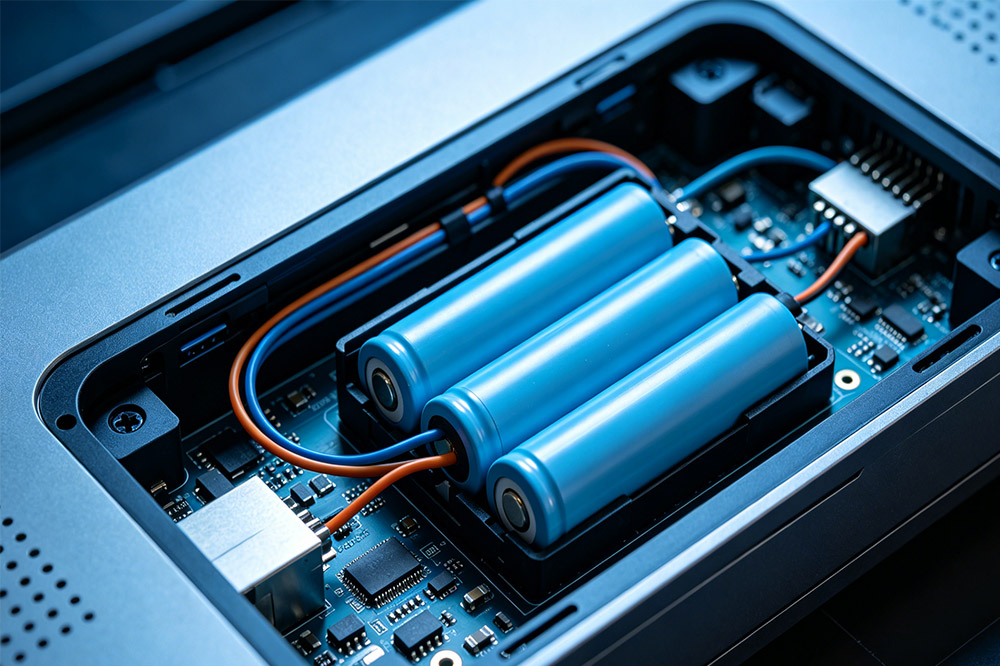
If you’re working on an OEM project, choosing the right 18650 battery is not just about picking a spec.
It affects your product performance, cost, and long-term reliability.
Many buyers start with capacity or price.
But in real projects, the decision usually goes deeper than that.
If you’re still comparing different options, it helps to first understand what’s available on the market.
You can browse a full range of 18650 battery models to get a clearer picture of typical specifications and configurations used in OEM projects.
Start From Your Actual Application
Before comparing battery models, it helps to be clear about how the battery will be used.
A few basic questions can narrow things down quickly:
- How much current will the device draw?
- How long does it need to run?
- Is space limited?
- Will the device run continuously or intermittently?
Different answers lead to very different battery choices.
Capacity: Don’t Just Go for the Highest Number
Higher capacity sounds better, but it’s not always the right fit.
For many OEM projects:
- 2200mAh works well for stable, cost-sensitive products
- 2600mAh or higher fits products where runtime is a selling point
If you’re evaluating both options, it’s useful to compare different capacity models side by side before deciding.
Most buyers will shortlist options directly from a structured 18650 battery category page rather than individual listings.

Discharge Performance Matters More Than You Think
Some devices require higher current output.
In those cases, not all 18650 cells will perform the same.
You need to consider:
- Continuous discharge current
- Voltage stability under load
- Heat generation
A higher-capacity cell is not always better if it can’t handle the load.
Consistency Is Critical for Battery Packs
If your project uses multiple cells (which most do), consistency becomes a key factor.
You want cells that are:
- Closely matched in capacity
- Similar in internal resistance
- Stable across batches
This helps avoid:
- Pack imbalance
- Uneven aging
- Performance issues over time
This is also why many OEM buyers prefer working with suppliers that can provide matched cells directly, instead of sourcing randomly from different vendors.

Choose the Right Configuration
Instead of focusing on a single cell, think in terms of the full battery pack:
- Series (S) affects voltage
- Parallel (P) affects capacity
For example:
- 3S → higher voltage
- 3S2P → higher capacity and runtime
If you’re not sure which configuration fits your product, reviewing existing battery pack options can help you understand common structures used in similar applications.
Don’t Ignore Physical and Design Details
In OEM projects, small details matter.
Make sure to confirm:
- Cell size tolerance
- Connector type (JST, Molex, etc.)
- Wire length and gauge
- Protection board (BMS / PCM)
- Labeling and branding
These are often what delay production if overlooked.
Sample Testing Before Mass Production
Even if everything looks good on paper, testing is still necessary.
A typical process:
- Order sample cells or packs
- Test capacity, internal resistance, and load performance
- Build a small batch
- Run real-world tests
Before placing a large order, many buyers will request samples directly from a supplier’s product category to ensure consistency across different models.

A Practical Approach Buyers Use
Many OEM buyers don’t try to find the “best” battery.
They try to find the most suitable one for their product.
That usually means:
- Stable performance
- Consistent supply
- Reasonable cost
Instead of chasing the highest specs.
Final Thought
Choosing an 18650 battery for OEM projects is about matching the battery to your product — not just picking numbers from a list.
If you start with the right reference point and evaluate real options carefully, the rest of the process becomes much smoother.
18650 Battery Seris Products
-

12V 4400 mah Lithium ion 3S2P 18650 Battery Pack
-

18650 2000mAh 3.7 volt Lithium-ion Battery
-

18650 20V 3.0Ah Cordless Drill battery
-

18650 22.2V 7.8Ah 2600Mah 6S3P Rechargeable Battery Pack
-

18650 2600mAh Rechargeable Lithium-Ion Battery 3.7V
-

18650 3.7V 10Ah Li-Ion Power Battery Pack
-

18650 3.7V 3300mah Rechargeable Lithium ion Battery
-

18650 7S7P 24V 14Ah Lithium ion Electric Scooter Battery Pack
-

18650 battery 3.7V 1500mAh Lithium-Ion Battery
-

18650 Battery 3500 mah Rechargeable Battery Cells
-

18650 Electric Scooter 48V 13000mAh Lithium Battery
-

2600mAh 3S1P 11.1V 18650 Battery Packs
-

3.7V Li ion Rechargeable 3000mah 18650 Battery Cell
-

36V 5200mAh 10S2P 18650 Battery Pack
-

48v 4400mah 13S2P 18650 Rechargeable Battery Pack
-

7S2P 24V 18650 Lithium Battery Pack
-

Electric Scooter 36V 4400mAH 10S2P 18650 Battery Pack
-

ICR 18650 Battery 2200mah 3.7V
Leave a Reply