
At some point, every buyer runs into the same problem:
You have multiple quotes in front of you.
Specs look similar. Prices vary.
But it’s hard to tell which supplier is actually reliable.
This is where most mistakes happen — not in choosing the battery, but in choosing the supplier.
Why Supplier Choice Matters More Than Price
A lower price might look attractive at the start.
But if the supplier can’t keep quality consistent, the real cost shows up later:
- Unstable battery packs
- Production delays
- Replacement and after-sales issues
For bulk orders, reliability is what keeps everything running smoothly.
What Experienced Buyers Usually Check
Instead of focusing only on specs, experienced buyers look at a few practical things.
1. Do They Provide Real Test Data?
Not just a datasheet.
A reliable supplier should be able to share:
- Capacity test results
- Internal resistance range
- Batch consistency data
If everything is just “standard spec” with no actual numbers, that’s a sign to be careful.

2. Are Their Batches Consistent?
One good sample doesn’t mean much.
The real question is:
Can they deliver the same quality every time?
You can check this by:
- Asking about batch control
- Ordering samples from different lots
- Comparing results
Consistency is what matters in long-term supply.
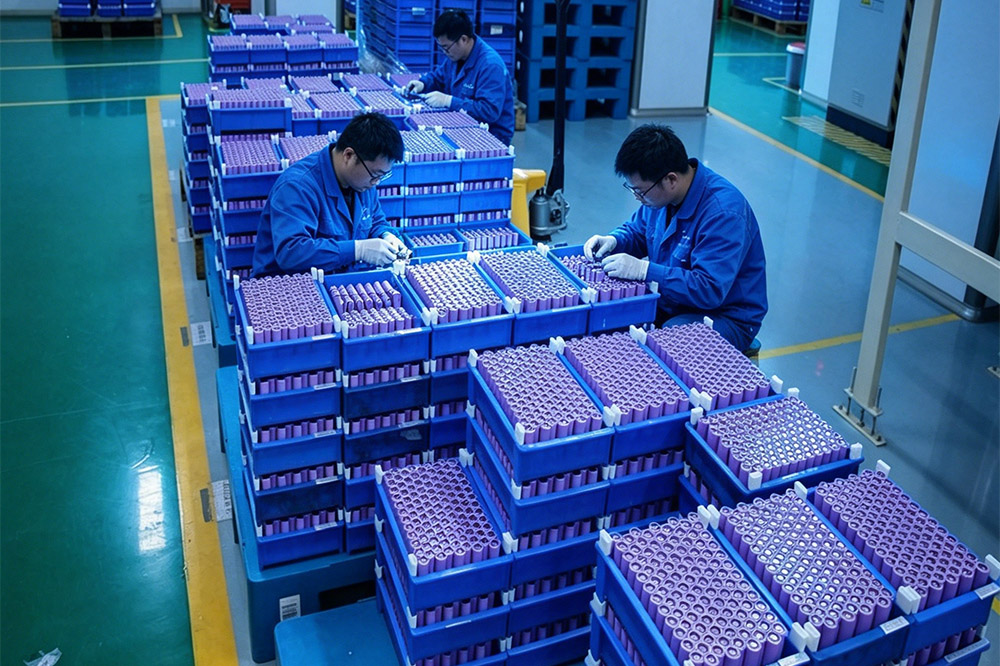
3. Do They Sort and Match Cells?
This is often overlooked.
Good suppliers usually:
- Sort cells by internal resistance and capacity
- Keep batches well matched
Others may skip this step to reduce cost.
The difference shows up during pack assembly.
4. How Do They Handle Quality Issues?
Problems can happen with any supplier.
What matters is how they respond.
You can ask:
- What is their replacement policy?
- How do they handle defective batches?
- Do they support testing feedback?
A clear answer here is usually a good sign.
5. Communication Is a Signal
This sounds simple, but it matters.
Reliable suppliers usually:
- Respond clearly and directly
- Understand technical questions
- Don’t avoid details
If communication feels vague or inconsistent early on, it usually doesn’t improve later.

A Simple Way to Compare Suppliers
If you’re choosing between 2–3 suppliers, keep it simple:
- Request samples
- Run the same basic tests (capacity, IR, consistency)
- Compare results side by side
- Evaluate communication and response
In most cases, one supplier stands out quickly.
One Mistake to Avoid
Some buyers go with the lowest price without testing.
It may work for small orders.
But for bulk projects, this approach is risky.
Once production starts, switching suppliers becomes much harder.
Final Thought
A good 18650 battery supplier is not just someone who can offer a low price.
It’s someone who can deliver:
- Consistent quality
- Reliable batches
- Clear communication
Over time, that’s what saves cost — not just the unit price.
Related Products
-

12V 4400 mah Lithium ion 3S2P 18650 Battery Pack
-

18650 2000mAh 3.7 volt Lithium-ion Battery
-

18650 20V 3.0Ah Cordless Drill battery
-

18650 22.2V 7.8Ah 2600Mah 6S3P Rechargeable Battery Pack
-

18650 2600mAh Rechargeable Lithium-Ion Battery 3.7V
-

18650 3.7V 10Ah Li-Ion Power Battery Pack
-

18650 3.7V 3300mah Rechargeable Lithium ion Battery
-

18650 7S7P 24V 14Ah Lithium ion Electric Scooter Battery Pack
-

18650 battery 3.7V 1500mAh Lithium-Ion Battery
-

18650 Battery 3500 mah Rechargeable Battery Cells
-

18650 Electric Scooter 48V 13000mAh Lithium Battery
-

2600mAh 3S1P 11.1V 18650 Battery Packs
-

3.7V Li ion Rechargeable 3000mah 18650 Battery Cell
-

36V 5200mAh 10S2P 18650 Battery Pack
-

48v 4400mah 13S2P 18650 Rechargeable Battery Pack
-

7S2P 24V 18650 Lithium Battery Pack
-

Electric Scooter 36V 4400mAH 10S2P 18650 Battery Pack
-

ICR 18650 Battery 2200mah 3.7V
Leave a Reply