
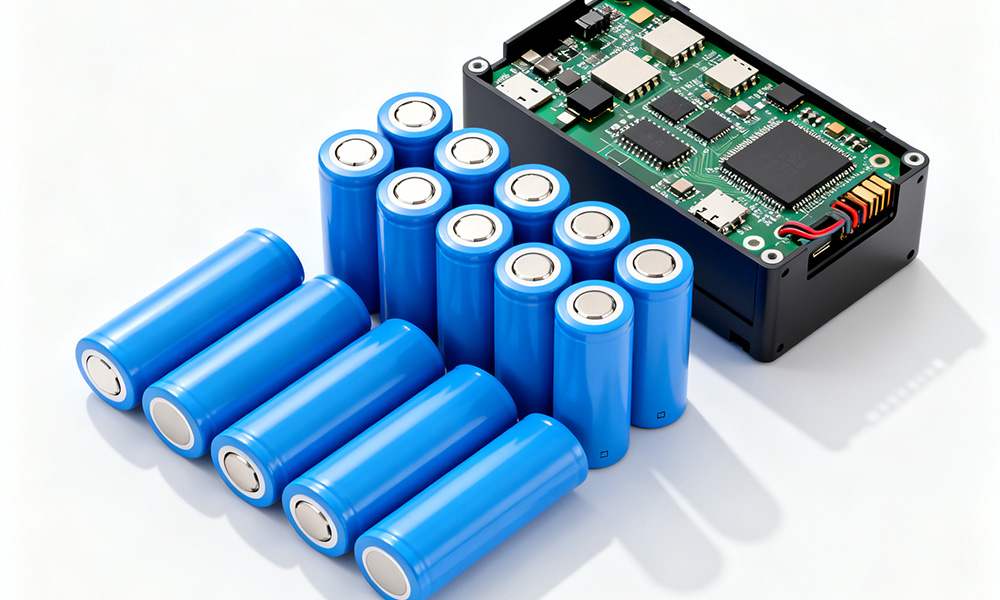
Why 21700 Packs Are Getting So Much Attention
If you’ve been around anything that runs on lithium batteries—whether it’s drones, e-bikes, power tools, or even flashlights—you’ve probably noticed the buzz around 21700 battery packs. The name comes from the size: 21 mm in diameter and 70 mm in length. They’re slightly bigger than the classic 18650 cells, but that extra space means a nice jump in capacity and discharge performance.
From my own experience, the biggest difference is that devices simply last longer without adding bulky weight. You don’t really notice the size increase, but you definitely feel the performance upgrade.

Understanding the 21700 Lithium-ion Cell
At its core, a single 21700 cell usually holds 4000–5000 mAh with a nominal voltage of 3.6–3.7 V. Fully charged, it hits 4.2 V, and cutoff usually happens around 3.0 V.
- Energy density: around 250–300 Wh/kg
- Cycle life: often 300+ full charge cycles before noticeable drop
- Applications: anything from electric vehicles to compact electronics
In practice, I’ve seen these cells hold up better under high current draw compared to 18650. Less heat, less sag, and more usable runtime.
Designing 21700 Battery Pack
A single cell is great, but where it really gets interesting is when you start building packs. Typical setups combine cells in series (S) and parallel (P) to reach the voltage and capacity you want.
For example:
- A 4S1P design gives you about 14.4 V / 6 Ah—perfect for replacing older 18650-based packs.
- A 4S4P setup jumps to 14.8 V / 20 Ah (296 Wh). This is compact but still provides a lot of punch for RC gear or field equipment.
Most packs these days also include a battery management system (BMS)—that’s the little brain inside keeping everything safe from overcharge, over-discharge, or overheating. Honestly, I wouldn’t touch a pack without one.
The 14.8 V 20Ah 21700 Pack in Real Use

This one deserves its own spotlight. I tested a 4S4P 14.8 V 20Ah pack for FPV and it was a game changer.
- It can push up to 60 A continuously, with 100 A peak bursts.
- Handles cold mornings down to −20 °C without complaint, but also runs stable in hot weather.
- Despite being nearly 300 Wh, the weight stays reasonable enough to strap onto a drone or carry for field work.
In real use, you’ll notice fewer voltage dips under heavy throttle and longer flight times. Sure, it’s pricier than a traditional 18650 setup, but the efficiency gain makes it worth it.
Picking the Right 21700 Battery Option
Not all 21700 cells are built the same. Some are optimized for high capacity (great for long runtime), while others are tuned for high discharge rates (better for power-hungry tools or drones).
There’s a fun discussion I came across where hobbyists compared popular options. The consensus?
- High capacity models are nice if you’re after runtime.
- High performance models (like those tested for max output) cost more, but you’ll feel the difference if you’re pushing limits.
Bottom line: don’t just buy the cheapest 21700 you see. Match the cell to your actual use case.
Key Specs at a Glance
Here’s a simplified table to keep things straight:
| Parameter | Typical Range for 21700 Cells | Notes from Real Use |
|---|---|---|
| Size | 21 mm × 70 mm | Slightly bigger than 18650 |
| Nominal Voltage | 3.6–3.7 V | Standard lithium-ion chemistry |
| Full Charge Voltage | 4.2 V | Always use proper chargers |
| Capacity | 4000–5000 mAh | Some hit above 5000 mAh |
| Energy Density | 250–300 Wh/kg | Better than most 18650s |
| Max Discharge Current | 30–60 A (cell dependent) | Packs can peak much higher |
| Cycle Life | 300–800+ cycles | With decent care |
| Common Pack Configs | 4S1P, 4S4P | Popular in 14.8 V designs |
Final Thoughts
The 21700 battery pack isn’t just another fad—it’s quickly becoming the standard in high-demand applications. Whether you’re building your own 16S2P pack for a custom project, flying FPV, or just want your flashlight to outlast a night hike, these cells deliver a noticeable upgrade.
If you’re stepping into DIY battery building, my tip is: spend time on the BMS and connections. The cells themselves are powerful, but it’s the pack design that determines safety and performance.
Related Products
-

12V 4400 mah Lithium ion 3S2P 18650 Battery Pack
-

18650 2000mAh 3.7 volt Lithium-ion Battery
-

18650 20V 3.0Ah Cordless Drill battery
-

18650 22.2V 7.8Ah 2600Mah 6S3P Rechargeable Battery Pack
-

18650 2200Mah 10S3P 36V 6.6Ah Electric Scooter Lithium Battery
-

18650 2600Mah 10S3P 36V 7.8ah Scooter Battery
-

18650 2600mAh Rechargeable Lithium-Ion Battery 3.7V
-

18650 3.7V 10Ah Li-Ion Power Battery Pack
-

18650 3.7V 3300mah Rechargeable Lithium ion Battery
-

18650 36V 5.2Ah Electric Bicyle Battery
-

18650 7S7P 24V 14Ah Lithium ion Electric Scooter Battery Pack
-

18650 battery 3.7V 1500mAh Lithium-Ion Battery
-

18650 Battery 3500 mah Rechargeable Battery Cells
-

18650 Electric Scooter 48V 13000mAh Lithium Battery
-

1S2P 3.7V 1600mAh 14500 Lithium Battery
-

2000Mah 18650 Battery Cell 6Ah 36V Scooter Battery
-

21700 3.7V 4800mAh Rechargeable Lithium-Ion Battery
-

2600mAh 3S1P 11.1V 18650 Battery Packs
-

3.7V 21700 Rechargeable Lithium Battery Cells 5000mah
-

3.7V 5000mah 26650 Battery
-

3.7V Li ion Rechargeable 3000mah 18650 Battery Cell
-

32140 LiFePO4 Battery Cell 3.2V – 10000mAh / 15000mAh
-

32700 Lifepo4 3.2V 6000mah Lithium Battery
-

36V 5200mAh 10S2P 18650 Battery Pack
-

48V 15ah 720wh Ebike Battery
-

48v 4400mah 13S2P 18650 Rechargeable Battery Pack
-

60V 21Ah 18650 16S7P E Bike Battery
-

7S2P 24V 18650 Lithium Battery Pack
-

Customized 48V-72V Triangle Ebike Lithium Battery Pack | 52V 30Ah
-

Electric Scooter 36V 4400mAH 10S2P 18650 Battery Pack
-

ICR 18650 Battery 2200mah 3.7V
Leave a Reply