
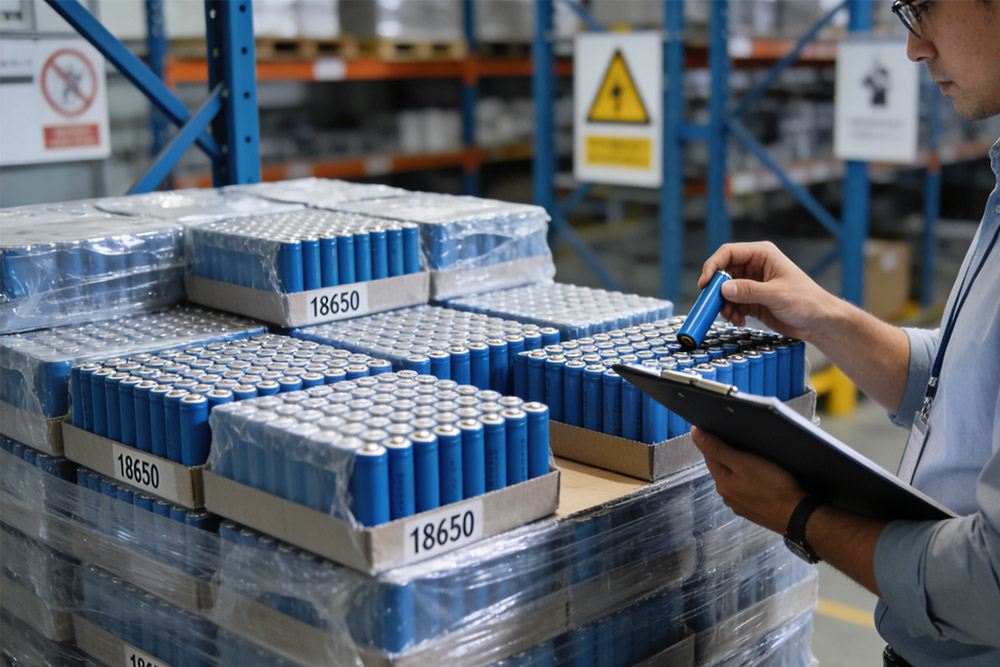
If you’re sourcing 18650 battery 3000mAh in bulk, it looks simple at first—just compare prices and place an order, right?
In reality, a lot of buyers lose money here. Not because the product is complicated, but because small details get ignored.
I’ve seen people end up with batteries that don’t hit capacity, don’t last, or worse—can’t even ship.
If you’re currently comparing options, you can also check a typical product like this
👉 18650 battery 3000mAh
to get a feel for specs, structure, and what suppliers usually offer.
Let’s go through the most common mistakes so you don’t run into the same problems.
Mistake 1: Going for the Cheapest Price Only
This is the #1 trap.
You get a quote that’s way lower than others, and it feels like a win. But with lithium batteries, cheap usually means something is off.
What could be wrong:
- Actual capacity is lower than 3000mAh
- Recycled or B-grade cells
- No proper safety protection
- Short cycle life
A “cheap” battery that dies after a few months is not cheap at all.
What to do instead:
Ask for:
- Real test data
- Cycle life report
- Sample before bulk order

Mistake 2: Not Testing Samples Properly
Some buyers do order samples—but don’t really test them.
They just check if it works and move on.
That’s not enough.
What you should actually test:
- Real capacity (is it really 3000mAh?)
- Voltage stability
- Charge/discharge cycles
- Consistency across multiple cells
One good sample doesn’t mean the whole batch is good.
Mistake 3: Ignoring Certifications
This one causes serious headaches.
Lithium batteries need certifications like:
- UN38.3
- MSDS
- CE (depending on market)
Without these, your shipment can:
- Get delayed
- Get rejected
- Or get stuck at customs
What to do:
Always confirm:
- “Do you have UN38.3 test report?”
- “Can you provide shipping documents?”
Don’t assume—ask upfront.
Mistake 4: Not Checking Battery Consistency
When buying in bulk, consistency matters more than anything.
If your batteries are used in packs (like scooters or energy storage), uneven cells = big problems.
You might see:
- Some cells drain faster
- Overheating
- Shorter overall lifespan
What to ask your supplier:
- Are cells matched before shipment?
- What’s the capacity tolerance?
- Do you sort cells by batch?
Mistake 5: Choosing the Wrong Type
A lot of buyers skip this and regret it later.
There are two main types:
- Protected batteries → safer, slightly more expensive
- Unprotected batteries → cheaper, but need external BMS
If you choose wrong:
- Your product may not work properly
- Or worse, safety risks increase
Always match the battery type to your application.

Mistake 6: Ignoring MOQ and Supply Stability
You find a good supplier, place a small order, everything is fine.
Then suddenly:
- Price changes
- Lead time increases
- Or they can’t handle bigger volume
What to confirm early:
- MOQ (Minimum Order Quantity)
- Production capacity
- Lead time for bulk orders
If you’re planning to scale, this matters a lot.
Mistake 7: No OEM or Customization Planning
If you’re building a brand or product, this is a missed opportunity.
Many suppliers support:
- Logo printing
- Custom packaging
- Battery pack design
But if you don’t ask early, you might:
- Miss branding chances
- Pay extra later
- Or need to switch suppliers
Mistake 8: Not Understanding the Real Application Needs
Not every 18650 3000mAh battery is the same.
Different use cases need different specs:
- E-scooter → high discharge rate
- Solar storage → long cycle life
- Power bank → stable output
- Tools → high current
If you don’t match specs to usage, performance will suffer.

Final Thoughts
Buying 18650 battery 3000mAh in bulk isn’t just about price—it’s about reliability, safety, and long-term use.
If you avoid these mistakes, you’ll:
- Save money
- Avoid returns
- Build a more stable supply chain
And honestly, one good supplier is worth way more than chasing the lowest price every time.
Quick Tip
Before placing a big order, always ask yourself:
- Did I test real samples?
- Do I trust the data?
- Can this supplier support me long-term?
If the answer is “not sure,” slow down. It’s better than fixing problems later.
Related Products
-

12V 4400 mah Lithium ion 3S2P 18650 Battery Pack
-

18650 2000mAh 3.7 volt Lithium-ion Battery
-

18650 20V 3.0Ah Cordless Drill battery
-

18650 22.2V 7.8Ah 2600Mah 6S3P Rechargeable Battery Pack
-

18650 2600mAh Rechargeable Lithium-Ion Battery 3.7V
-

18650 3.7V 10Ah Li-Ion Power Battery Pack
-

18650 3.7V 3300mah Rechargeable Lithium ion Battery
-

18650 7S7P 24V 14Ah Lithium ion Electric Scooter Battery Pack
-

18650 battery 3.7V 1500mAh Lithium-Ion Battery
-

18650 Battery 3500 mah Rechargeable Battery Cells
-

18650 Electric Scooter 48V 13000mAh Lithium Battery
-

2600mAh 3S1P 11.1V 18650 Battery Packs
-

3.7V Li ion Rechargeable 3000mah 18650 Battery Cell
-

36V 5200mAh 10S2P 18650 Battery Pack
-

48v 4400mah 13S2P 18650 Rechargeable Battery Pack
-

7S2P 24V 18650 Lithium Battery Pack
-

Electric Scooter 36V 4400mAH 10S2P 18650 Battery Pack
-

ICR 18650 Battery 2200mah 3.7V
Leave a Reply