
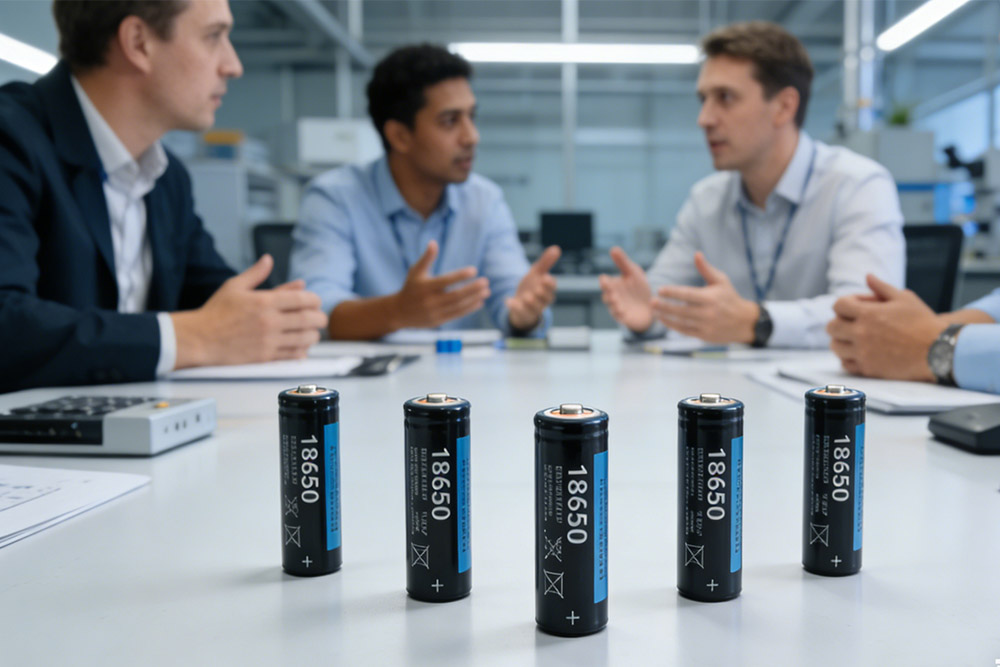
If you’ve ever tried sourcing 18650 rechargeable 3.7V batteries, you’ll know the problem isn’t finding suppliers — it’s figuring out which ones are actually reliable.
On paper, most of them look the same.
Same specs, same photos, same promises.
But once you start testing, the differences show up pretty quickly.
Price Looks Important — Until It Isn’t
At the beginning, almost everyone compares price first. That’s normal.
But after a couple of bad batches, you start to realize something:
cheap cells usually come with hidden costs.
- capacity doesn’t match the label
- performance drops faster than expected
- more failures in real use
If you’re building products or shipping to customers, this becomes a headache fast.
“3000mAh” Doesn’t Always Mean 3000mAh
One thing worth checking early is whether the supplier is honest about capacity.
Some will print 3000mAh on the cell, but actual usable capacity is much lower.
The easiest way to filter this out is simple:
ask for samples and test them yourself.
A decent supplier won’t push back on that.
If they do, that’s already a sign.

Consistency Matters More Than Specs
This part gets overlooked a lot.
Even if one batch performs well, what about the next one?
If you’re buying in bulk, inconsistency is worse than low performance.
You want cells that behave the same:
- similar voltage curves
- close internal resistance
- predictable discharge
Especially if you’re assembling battery packs — mismatched cells will cause problems later, not immediately.
Ask Simple Questions — See How They Answer
You don’t need to get too technical. Just ask basic things:
- how do you control quality between batches?
- what happens if there are defective units?
- can you keep specs consistent over time?
What matters isn’t just the answer — it’s how clear and direct it is.
If everything sounds vague or overly polished, be careful.
Bulk Supply Is a Different Game
Some suppliers are fine for small orders but struggle when volumes go up.
If you’re planning ongoing orders, check whether they can:
- handle stable large quantities
- keep lead times predictable
- maintain the same quality over time
This is where many suppliers fall off.
A Practical Choice Most Buyers End Up With
In real projects, most buyers don’t go for extreme specs.
They usually settle on something stable — like 3000mAh 18650.
Not because it sounds impressive, but because it works across different applications without too many issues.
Here’s a typical example of that kind of cell:18650 battery 3000mah supplier
What you’re looking for in this type of battery is pretty straightforward:
- capacity is close to what’s claimed
- performance is consistent batch to batch
- easy to use in battery pack assembly
- pricing makes sense for volume
It’s not about chasing the highest number — it’s about fewer surprises later.

A Few Red Flags
After dealing with a few suppliers, some patterns become obvious:
- “too good to be true” specs usually are
- very low prices often come with trade-offs
- no samples = no transparency
- slow or unclear communication only gets worse over time
None of these are deal-breakers alone, but together they tell you a lot.
Final Thought
Finding a reliable 18650 battery supplier isn’t about ticking boxes on a spec sheet.
It’s more about reducing risk.
You’re looking for something simple:
a supplier that delivers what they say, consistently, over time.
For most applications, 3000mAh 18650 rechargeable 3.7V battery is already a safe choice.
The real difference comes from who you’re buying it from.
Related Products
-

12V 4400 mah Lithium ion 3S2P 18650 Battery Pack
-

18650 2000mAh 3.7 volt Lithium-ion Battery
-

18650 20V 3.0Ah Cordless Drill battery
-

18650 22.2V 7.8Ah 2600Mah 6S3P Rechargeable Battery Pack
-

18650 2600mAh Rechargeable Lithium-Ion Battery 3.7V
-

18650 3.7V 10Ah Li-Ion Power Battery Pack
-

18650 3.7V 3300mah Rechargeable Lithium ion Battery
-

18650 7S7P 24V 14Ah Lithium ion Electric Scooter Battery Pack
-

18650 battery 3.7V 1500mAh Lithium-Ion Battery
-

18650 Battery 3500 mah Rechargeable Battery Cells
-

18650 Electric Scooter 48V 13000mAh Lithium Battery
-

2600mAh 3S1P 11.1V 18650 Battery Packs
-

3.7V Li ion Rechargeable 3000mah 18650 Battery Cell
-

36V 5200mAh 10S2P 18650 Battery Pack
-

48v 4400mah 13S2P 18650 Rechargeable Battery Pack
-

7S2P 24V 18650 Lithium Battery Pack
-

Electric Scooter 36V 4400mAH 10S2P 18650 Battery Pack
-

ICR 18650 Battery 2200mah 3.7V
Leave a Reply