
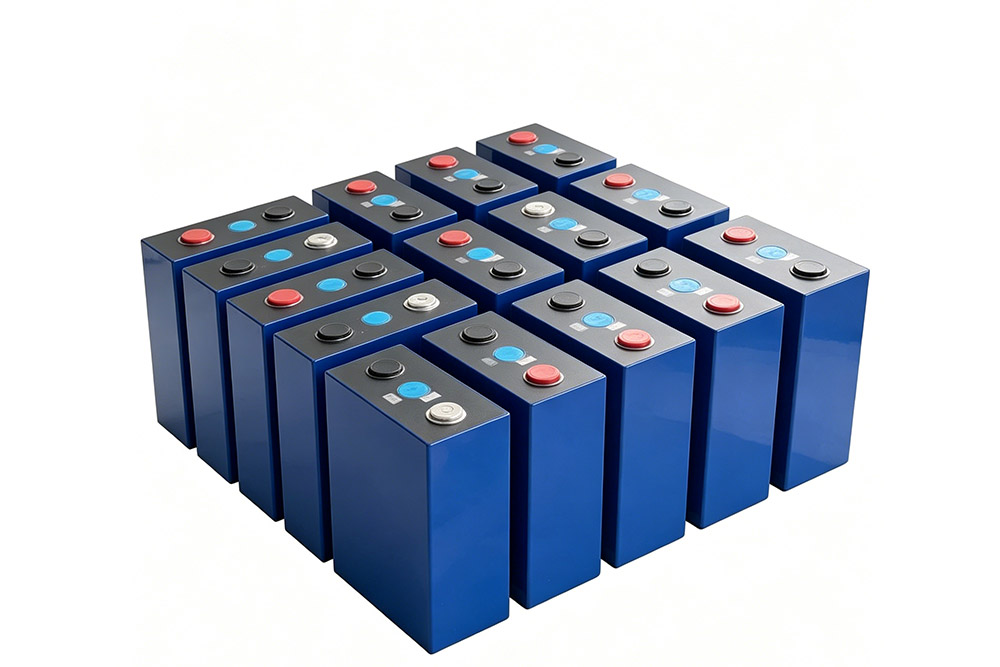
If you’re planning a 48V energy storage system, this is usually one of the first questions:
How many 280Ah cells do I actually need?
The short answer is simple.
But there are a few details that make a big difference in real projects.
First thing to know: 48V isn’t really 48V
Most “48V” LiFePO4 systems are actually:
- 51.2V nominal voltage
Why?
Because each LiFePO4 cell is about 3.2V
So the standard setup is:
- 16 cells in series (16S)
- 3.2V × 16 = 51.2V
That’s your base pack.
So how many 280Ah cells do you need?
For a basic 48V system:
- You need 16 cells
- Each cell is 280Ah
That gives you:
- 51.2V / 280Ah battery pack
What’s the total energy (kWh)?
This is what most buyers actually care about.
Total energy = Voltage × Capacity
- 51.2V × 280Ah ≈ 14.3 kWh
That’s a standard single pack.
What if you need more capacity?
This is where parallel comes in.
Example:
If you want around 28kWh:
- 2 packs in parallel
- Each pack = 16 cells
Total cells:
- 32 cells (16S2P)
Quick reference
- 14kWh → 16 cells
- 28kWh → 32 cells
- 42kWh → 48 cells
Same structure, just adding parallel groups.

Typical setups in real projects
1. Home solar storage
- Usually 10–20kWh
- → 16 to 32 cells
2. Small commercial systems
- 30–60kWh
- → 32 to 64 cells
3. Larger installations
- 100kWh+
- Multiple racks / parallel systems
At this point, consistency between batches becomes very important.
A few things that are easy to overlook
1. Not all 280Ah cells behave the same
Even with the same spec:
- capacity can vary
- internal resistance can differ
That’s why matching matters (this is where many systems fail later).
2. BMS selection
Your battery management system needs to match:
- 16S configuration
- Current requirements
A weak BMS will limit performance, no matter how good the cells are.
3. Expansion planning
A common mistake:
- Start with one pack
- Add more later from a different batch
This often leads to imbalance.
If you plan to expand, it’s better to:
- reserve same-batch cells
- or plan parallel structure upfront
Why 280Ah is commonly used
You’ll see 280Ah cells in a lot of storage systems for a reason:
- Good balance between size and energy
- Fewer cells compared to smaller capacities
- Easier pack assembly
- Lower overall connection complexity
That’s why it’s widely used in:
Typical 280Ah cell reference
Most systems are built using cells with specs like:
- 3.2V nominal voltage
- 280Ah capacity
- Prismatic design
- Long cycle life
If you need a reference for this type of cell:3.2V 280Ah LipePo4 Battery Cell
Final thoughts
If you’re building a standard 48V system:
- Start with 16 cells (16S)
- Then scale capacity by adding parallel packs
The math is simple.
The real challenge is making sure all cells work well together over time.
That’s where sourcing and consistency matter more than just specs on paper.
Related Products
-

12.8V 8Ah LiFePO4 Power Wall Battery
-

12V 100Ah LiFePO4 Solar Battery
-

18650 2200Mah 10S3P 36V 6.6Ah Electric Scooter Lithium Battery
-

18650 2600Mah 10S3P 36V 7.8ah Scooter Battery
-

18650 36V 5.2Ah Electric Bicyle Battery
-

1S2P 3.7V 1600mAh 14500 Lithium Battery
-

2000Mah 18650 Battery Cell 6Ah 36V Scooter Battery
-

21700 3.7V 4800mAh Rechargeable Lithium-Ion Battery
-

3.2V 280ah Lifepo4 Battery Cell
-

3.2V 320Ah LifePo4 Battery Cell
-

3.7V 21700 Rechargeable Lithium Battery Cells 5000mah
-

3.7V 5000mah 26650 Battery
-

32140 LiFePO4 Battery Cell 3.2V – 10000mAh / 15000mAh
-

32700 Lifepo4 3.2V 6000mah Lithium Battery
-

48V 15ah 720wh Ebike Battery
-

48V 200Ah LiFePO4 Battery Solar Power Wall
-

60V 21Ah 18650 16S7P E Bike Battery
-

Customized 48V-72V Triangle Ebike Lithium Battery Pack | 52V 30Ah
-

IP67 48V 100Ah Solid State LiFePO4 Battery
Leave a Reply