
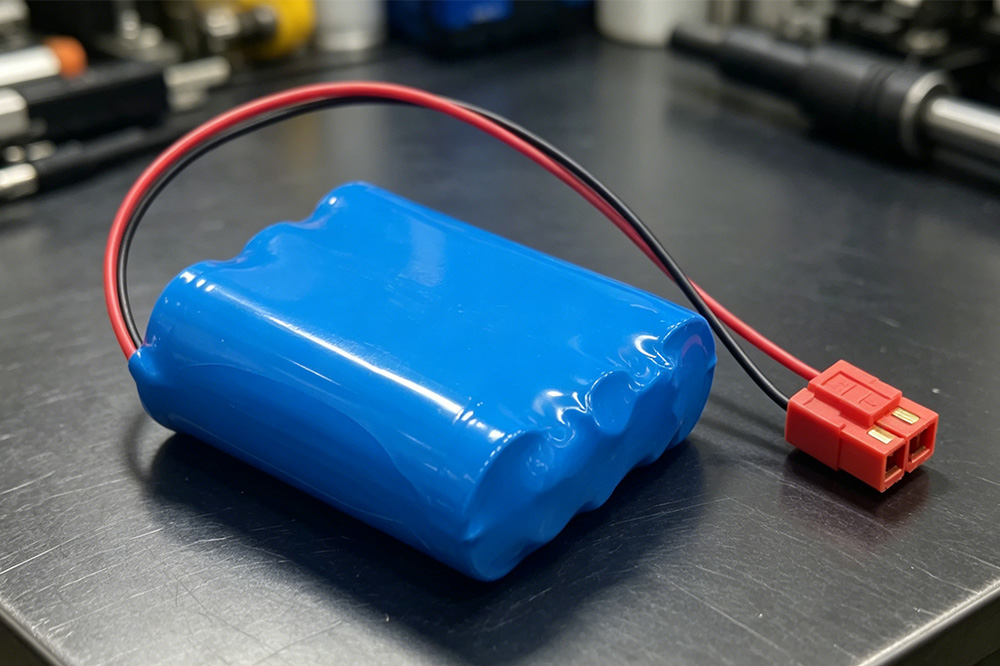
When search 18650 3S1P battery packs, people are usually looking for compact 11.1V lithium-ion power solution that balances lightweight design, decent runtime, and reliable discharge performance. These battery packs are commonly used in RC aircraft, FPV systems, robotics, portable electronics, backup devices, and industrial applications where space and weight matter.
At first glance, the naming looks overly technical. But once you break it down, it’s actually pretty simple.
A 3S1P battery pack uses three 18650 lithium-ion cells connected in series. That setup gives the pack a nominal voltage of 11.1V, which is why this configuration is so common in devices designed around 12V power systems.
What makes the 18650 3S1P layout popular is the balance it offers. It’s compact, lightweight, rechargeable, and capable of delivering decent runtime without becoming bulky.
What Does 3S1P Actually Mean?
The naming follows standard lithium battery terminology.
- 3S = three cells connected in series
- 1P = one cell in each parallel group
Since the cells are connected in series, the voltage adds up.
A single 18650 lithium-ion cell usually has:
- 3.7V nominal voltage
- 4.2V fully charged voltage
So in a 3S configuration:
- Nominal voltage becomes 11.1V
- Fully charged voltage becomes 12.6V
The capacity does not increase in a 1P setup because there’s only one cell per group. That means the final pack capacity depends entirely on the individual cells being used.
For example:
- 2200mAh cells → 2200mAh pack
- 2600mAh cells → 2600mAh pack
- 3500mAh cells → 3500mAh pack

Why 18650 3S1P Packs Are Still So Common
There are newer battery formats on the market now, including 21700 cells, but 18650 packs are still everywhere for one reason: they work.
They’re relatively affordable, easy to source, and proven across thousands of applications.
A 3S1P layout especially makes sense when a project needs:
- Moderate runtime
- Low weight
- Compact size
- Stable 11.1V output
That’s why these packs are often used in:
- FPV aircraft
- RC planes
- Portable electronics
- DIY robotics
- Monitoring equipment
- Embedded systems
In long-range drone setups, some pilots even prefer lithium-ion 18650 packs over traditional LiPo batteries because of the better energy density. The discharge rate may be lower, but flight time can improve significantly when the system is tuned for efficiency instead of raw power.

Capacity Isn’t the Whole Story
One thing many first-time buyers overlook is discharge capability.
A battery with a larger mAh number does not automatically mean it’s better for every application.
Some high-capacity 18650 cells are designed mainly for runtime, not high current output. Others sacrifice some capacity in exchange for stronger discharge performance.
That matters a lot in applications like:
- FPV drones
- RC vehicles
- Portable motors
- High-load electronics
If the device pulls more current than the cells are designed for, performance drops quickly and the battery heats up faster.
So before choosing a 3S1P pack, it’s worth checking:
- Continuous discharge current
- Peak discharge capability
- Cell type
- Protection board design
- Connector quality
The Role of Protection Circuits
Most properly built 18650 3S1P battery packs include a PCB or BMS protection board.
This protects the pack from issues like:
- Overcharging
- Over-discharging
- Short circuits
- Excessive current draw
Some packs also include NTC temperature sensors to help monitor heat during charging and operation.
That may sound like a small detail, but temperature control plays a huge role in lithium battery lifespan.
Connector Choice Matters More Than People Think
A surprising number of battery problems come from poor connectors rather than the cells themselves.
Depending on the application, manufacturers may use:
- XT30
- XT60
- JST
- DC connectors
- Custom plugs
For lightweight electronics, smaller connectors are fine. But higher-current systems need low-resistance connectors that can handle sustained load without overheating.

Runtime Expectations
Battery runtime depends on how much power the device actually consumes.
For example, a 3500mAh 3S1P pack stores roughly 38Wh of energy.
If the connected device draws around 20W continuously, runtime would be close to two hours under ideal conditions.
Real-world performance changes depending on:
- Temperature
- Load spikes
- Charging habits
- Cell quality
- System efficiency
That’s why two battery packs with identical specifications on paper can perform very differently in actual use.
Choosing a Reliable 18650 3S1P Battery Pack
The market is full of generic lithium battery packs, but quality control varies a lot.
Good battery packs usually have:
- Properly matched cells
- Stable welding quality
- Reliable protection circuitry
- Accurate capacity ratings
- Consistent assembly standards
For OEM projects or industrial applications, many buyers prefer working directly with battery pack manufacturers instead of relying on unverified low-cost packs.
One example is the 2600mAh 3S1P 11.1V 18650 Battery Pack, which is designed for compact electronic systems requiring a rechargeable 11.1V lithium-ion solution.
3S1P vs 3S2P: Which Makes More Sense?
A lot of users eventually compare 3S1P with 3S2P configurations.
The voltage stays the same because both use three cells in series. The difference is capacity and current capability.
A 3S2P pack doubles the number of cells in parallel, which means:
- More runtime
- Higher discharge capability
- More weight
- Larger size
For lightweight portable systems, 3S1P is often the better fit. For higher-demand equipment, 3S2P may be worth the extra size and cost.
Conclusion
The reason the 18650 3S1P battery format has stayed popular for so long is pretty straightforward. It sits in a practical middle ground.
It’s small enough for portable devices, powerful enough for many 11.1V systems, and flexible enough to work across everything from RC aircraft to industrial electronics.
And while newer battery technologies continue to appear, a properly built 18650 3S1P pack still does its job extremely well when matched to the right application.
Extended Reading
- What Is the Best 18650 Rechargeable Battery?
- How Many 18650 Batteries Do I Need for 100Ah?
- Best 18650 Battery: What Wholesale Buyers Should Know
- How to Make Your Own 18650 Battery Pack
- 18650 Button Top Battery Guide
- 21700 vs 18650 Batteries Comparison
- 18650 vs 21700 Batteries for Power Tools
Related Products
-

12V 4400 mah Lithium ion 3S2P 18650 Battery Pack
-

18650 2000mAh 3.7 volt Lithium-ion Battery
-

18650 20V 3.0Ah Cordless Drill battery
-

18650 22.2V 7.8Ah 2600Mah 6S3P Rechargeable Battery Pack
-

18650 2600mAh Rechargeable Lithium-Ion Battery 3.7V
-

18650 3.7V 10Ah Li-Ion Power Battery Pack
-

18650 3.7V 3300mah Rechargeable Lithium ion Battery
-

18650 7S7P 24V 14Ah Lithium ion Electric Scooter Battery Pack
-

18650 battery 3.7V 1500mAh Lithium-Ion Battery
-

18650 Battery 3500 mah Rechargeable Battery Cells
-

18650 Electric Scooter 48V 13000mAh Lithium Battery
-

2600mAh 3S1P 11.1V 18650 Battery Packs
-

3.7V Li ion Rechargeable 3000mah 18650 Battery Cell
-

36V 5200mAh 10S2P 18650 Battery Pack
-

48v 4400mah 13S2P 18650 Rechargeable Battery Pack
-

7S2P 24V 18650 Lithium Battery Pack
-

Electric Scooter 36V 4400mAH 10S2P 18650 Battery Pack
-

ICR 18650 Battery 2200mah 3.7V
Leave a Reply