
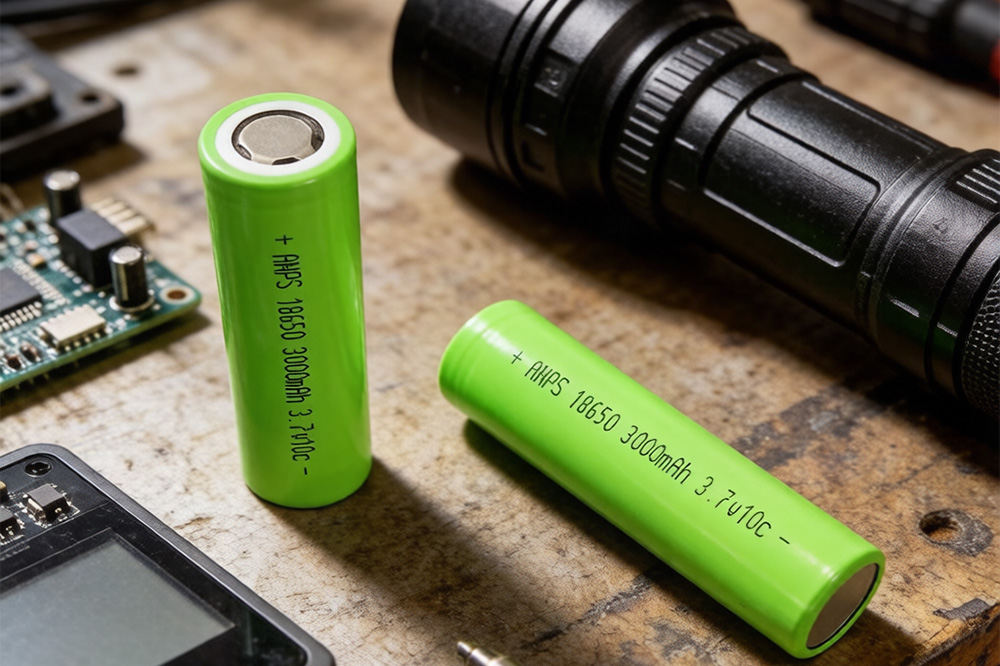
If you’ve worked with flashlights, portable tools, or battery-powered equipment, you’ve probably come across the 18650 3.7 v battery 3000mAh.
It’s one of those battery types that shows up everywhere—not because it’s trendy, but because it actually fits a lot of real-world needs.
A lot of buyers searching for a reliable 18650 3.7V 3000mAh battery cell are usually looking for something simple: longer runtime, stable output, and a size that works with existing devices.
And that’s exactly where this battery fits in.
What 18650 3000mAh Actually Means
The name breaks down pretty simply:
- 18mm diameter
- 65mm length
- cylindrical lithium-ion cell
- 3000mAh capacity (how much energy it stores)
- 3.7V nominal voltage
That 3000mAh number is what most people care about. In plain terms, it usually means longer runtime compared to lower-capacity versions, especially in devices that draw steady power.
It’s still the same standard 18650 size, just with more energy packed inside.
Why 3000mAh Became a Popular Choice
There’s a reason this capacity shows up so often.
It sits in a sweet spot between size, performance, and cost.
Compared to smaller-capacity cells, a 3000mAh version typically offers:
- longer runtime per charge
- fewer recharge cycles per day in heavy use
- better suitability for high-drain devices
- more stable performance under load
At the same time, it still fits all standard 18650 devices without modification.
That balance is why it’s widely used in both consumer and industrial applications.

Where 18650 3.7V 3000mAh Batteries Are Commonly Used
This battery isn’t limited to one type of device. It shows up across different industries because the format is standardized.
Flashlights
High-output LED flashlights often rely on 3000mAh cells to extend runtime, especially in outdoor or tactical use.
Portable Electronics
Devices like handheld fans, speakers, and inspection tools benefit from the longer battery life.
Power Packs
Many rechargeable battery packs are built using multiple 18650 cells to increase total capacity.
Outdoor Equipment
Some GPS devices, sensors, and portable lighting systems use them because they handle long operating hours well.
Tools and DIY Projects
Hobby electronics and repair projects frequently use 18650 cells due to availability and compatibility.
Performance in Real Use
On paper, 3000mAh sounds straightforward, but real performance depends on how the battery is used.
In steady-drain devices like flashlights or small electronics, users often notice:
- longer continuous runtime
- more stable voltage output
- fewer interruptions during use
However, in high-drain applications, performance can vary depending on discharge rate and internal battery design.
That’s why matching the battery to the device matters more than just looking at capacity.
Charging and Daily Use Matters More Than People Think
A lot of people treat lithium-ion batteries like older rechargeable cells—but they behave differently.
A proper charging setup helps:
- maintain battery lifespan
- prevent overheating
- keep voltage stable
- reduce long-term capacity loss
Common mistakes include:
- using mismatched chargers
- mixing old and new cells in one pack
- deep discharging repeatedly
- exposing batteries to heat or impact
None of this is complicated, but ignoring it usually shortens battery life quickly.

Not All 18650 3000mAh Batteries Are the Same
Even if two batteries both say “3000mAh,” they can still behave differently.
Some key differences include:
- discharge rate capability
- internal protection circuit (protected vs unprotected)
- build quality and consistency
- intended use (high-drain vs low-drain devices)
Protected versions include safety circuitry to prevent overcharge and over-discharge, while unprotected cells are often used inside battery packs where protection is handled externally.
Choosing the right type depends heavily on the device you’re using.
A Quick Reality Check on Capacity Claims
One thing experienced users often point out is that not all “3000mAh” labels reflect the same real-world performance.
In practice, performance depends on:
- discharge current
- temperature
- battery quality
- device efficiency
This is why reliable sourcing matters more than just looking at the number on the wrapper.
A well-matched 3000mAh cell can perform consistently, while a poorly matched one may fall short under load.
Why the 18650 Format Still Dominates
Even with newer battery formats available, 18650 is still widely used for one simple reason: compatibility.
It’s easy to:
- replace
- integrate into designs
- scale into battery packs
- source globally
That makes it a safe choice for manufacturers and a convenient one for users.
Conclusion
The 18650 3.7 v battery 3000mAh isn’t complicated, but it is practical.
It offers a solid mix of runtime, compatibility, and reliability that works well across a wide range of devices—from flashlights to portable electronics and battery packs.
If you understand how it’s used and choose the right type for your device, it’s one of the more dependable rechargeable battery options available today.
Related Products
-

12V 4400 mah Lithium ion 3S2P 18650 Battery Pack
-

18650 2000mAh 3.7 volt Lithium-ion Battery
-

18650 20V 3.0Ah Cordless Drill battery
-

18650 22.2V 7.8Ah 2600Mah 6S3P Rechargeable Battery Pack
-

18650 2600mAh Rechargeable Lithium-Ion Battery 3.7V
-

18650 3.7V 10Ah Li-Ion Power Battery Pack
-

18650 3.7V 3300mah Rechargeable Lithium ion Battery
-

18650 7S7P 24V 14Ah Lithium ion Electric Scooter Battery Pack
-

18650 battery 3.7V 1500mAh Lithium-Ion Battery
-

18650 Battery 3500 mah Rechargeable Battery Cells
-

18650 Electric Scooter 48V 13000mAh Lithium Battery
-

2600mAh 3S1P 11.1V 18650 Battery Packs
-

3.7V Li ion Rechargeable 3000mah 18650 Battery Cell
-

36V 5200mAh 10S2P 18650 Battery Pack
-

48v 4400mah 13S2P 18650 Rechargeable Battery Pack
-

7S2P 24V 18650 Lithium Battery Pack
-

Electric Scooter 36V 4400mAH 10S2P 18650 Battery Pack
-

ICR 18650 Battery 2200mah 3.7V
Leave a Reply