
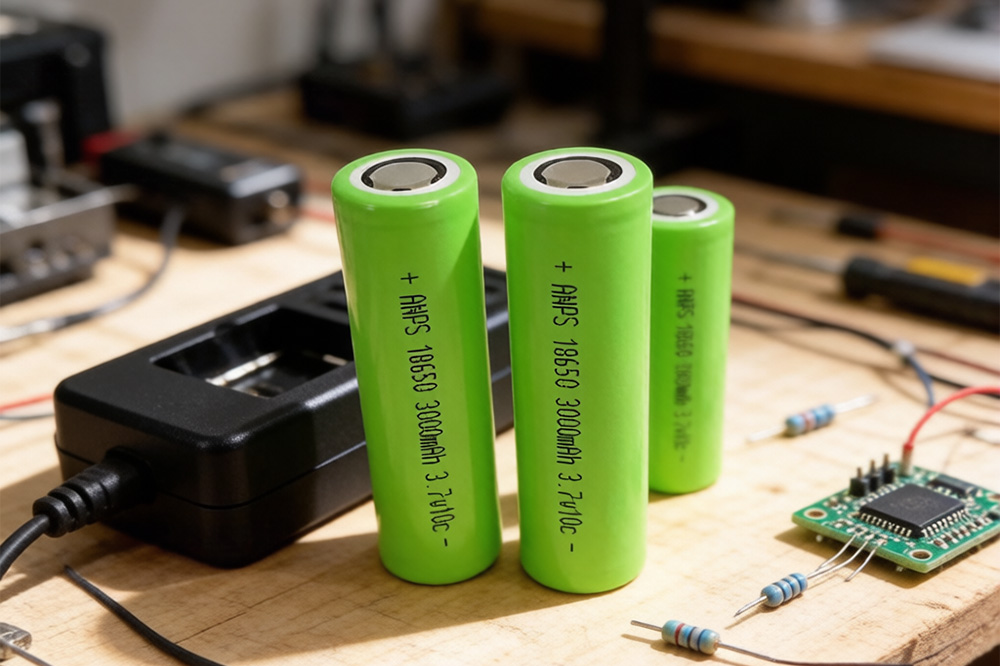
If you’ve spent any time looking at flashlights, battery packs, power tools, or DIY electronics, you’ve probably come across the term “18650 unprotected rechargeable Li-ion battery.” For people new to lithium-ion batteries, the wording can sound overly technical. In reality, it’s much simpler than it looks.
Unprotected 18650 battery is basically a rechargeable lithium-ion cell without a built-in protection circuit. These batteries are widely used in high-performance devices because they can deliver strong power output and fit into compact spaces.
You’ll find them in everything from custom battery packs to industrial electronics and high-drain equipment. Many users also buy them through professional 18650 lithium battery suppliers for engineering projects and commercial applications.
Breaking Down the Name
Let’s simplify the term piece by piece.
What Does “18650” Mean?
The numbers describe the battery size:
- 18 = 18mm diameter
- 65 = 65mm length
- 0 = cylindrical shape
So 18650 battery is a cylindrical lithium-ion cell measuring roughly 18mm by 65mm.
What Does “Li-Ion” Mean?
Li-ion stands for lithium-ion.
This battery chemistry is popular because it offers:
- High energy density
- Rechargeable capability
- Lightweight design
- Long cycle life
- Strong power delivery
Lithium-ion batteries are used in laptops, electric vehicles, portable electronics, medical devices, and energy storage systems.
What Does “Unprotected” Mean?
An unprotected battery does not have a built-in electronic protection board attached to the cell.
Protected batteries include a small circuit that helps prevent:
- Overcharging
- Over-discharging
- Short circuits
- Excessive current draw
Unprotected cells skip that extra layer. The battery itself is just the raw lithium-ion cell.
Because of this, the device using the battery must handle safety protection instead.

Why Do People Use Unprotected 18650 Batteries?
At first glance, protected batteries sound safer — and in some situations, they are. But unprotected cells are still extremely common, especially in professional and high-performance applications.
There are several reasons for this.
Higher Current Output
Unprotected cells can usually deliver more power with less resistance.
That makes them popular in:
- High-lumen flashlights
- Power tools
- Vape devices
- RC equipment
- Battery packs
- Industrial electronics
Devices that demand heavy current often perform better with unprotected cells.
Better Compatibility in Battery Packs
Many engineered battery systems already include their own safety electronics, such as:
- Battery Management Systems (BMS)
- Voltage monitoring
- Thermal protection
- Current balancing
In these systems, adding a protected battery may actually create compatibility problems or size limitations.
That’s why many manufacturers prefer unprotected cells when designing custom battery packs.
Smaller Physical Size
Protected batteries are slightly longer because of the added circuit board.
Unprotected batteries stay closer to the standard 18650 size, which helps in tight battery compartments.
Are Unprotected 18650 Batteries Safe?
They can be — if used properly.
The battery itself is not automatically dangerous. The real issue is whether the device and user manage the battery correctly.
Most problems happen because of:
- Cheap low-quality cells
- Incorrect chargers
- Physical damage
- Overcharging
- Deep discharge
- Short circuits
- Poor storage habits
A well-designed system with proper battery management can safely use unprotected cells for years.

The Biggest Risks of Unprotected Cells
Overcharging
Lithium-ion batteries have strict voltage limits. Charging too high can cause overheating or permanent damage.
A reliable smart charger is extremely important.
Over-Discharging
Running the battery voltage too low may damage the cell internally and reduce lifespan.
Some devices automatically shut off before this happens. Others do not.
Short Circuits
This is one of the biggest dangers.
If the positive and negative ends connect directly through metal, the battery can discharge huge amounts of current instantly.
That can lead to:
- Excessive heat
- Venting
- Fire risk
- Cell failure
Loose batteries should always be stored in protective battery cases.
Physical Damage
Dent marks, punctures, torn wraps, or crushed cells should never be ignored.
Damaged lithium-ion batteries are unsafe to continue using.
Protected vs Unprotected 18650 Batteries
| Feature | Protected Battery | Unprotected Battery |
|---|---|---|
| Built-in safety circuit | Yes | No |
| Size | Slightly longer | Standard size |
| Current capability | Lower in some cases | Higher |
| Best for beginners | Usually yes | Better for experienced users |
| Used in battery packs | Less common | Very common |
| External BMS required | Less critical | Important |
| Performance in high-drain devices | Moderate | Strong |
Who Typically Uses Unprotected 18650 Batteries?
Unprotected cells are commonly used by:
- Engineers
- Flashlight enthusiasts
- DIY electronics builders
- Battery pack manufacturers
- Industrial equipment designers
- Experienced hobbyists
Most casual consumers prefer protected batteries because they add another safety layer.
Tips for Using Unprotected 18650 Batteries Safely
Use the Right Charger
Always use a charger designed for lithium-ion batteries with automatic cutoff protection.
Cheap chargers are a common cause of battery problems.

Never Carry Loose Batteries
Keys, coins, or metal objects can short the battery terminals inside a pocket or bag.
Battery cases are inexpensive and worth using.
Check Battery Wraps Regularly
If the outer wrap is damaged, replace or rewrap the battery before using it again.
Even small tears can create safety risks.
Avoid Unknown Cells
Unrealistically high capacity ratings are often a warning sign of low-quality or counterfeit batteries.
Reliable sourcing matters.
Store Batteries Correctly
Store batteries:
- In cool environments
- Away from direct sunlight
- At moderate charge levels
- Inside protective cases
Final Thoughts
So, what is 18650 unprotected rechargeable Li-ion battery?
It’s a rechargeable lithium-ion cell designed without a built-in protection circuit. These batteries are widely used in applications that require strong power output, compact sizing, and flexible battery pack design.
They’re not automatically unsafe, but they do require more attention than protected cells. In most cases, safety depends on the charger, the device, and how the battery is handled day to day.
For advanced users and professionally managed systems, unprotected 18650 batteries remain one of the most common and practical power solutions available today.
If you want to compare other lithium battery formats and understand how different cell sizes are used across devices and battery packs, you can also read this guide:Lithium Battery Sizes: Common Sizes and Specifications
If you want to compare other lithium battery formats and understand how different cell sizes are used across devices and battery packs, you can also read this guide:Lithium Battery Sizes: Common Sizes and Specifications
Want to learn Dimensions of 18650 Battery→ Read: What Are the Dimensions of 18650 Battery?
Related Products
-

12V 4400 mah Lithium ion 3S2P 18650 Battery Pack
-

18650 2000mAh 3.7 volt Lithium-ion Battery
-

18650 20V 3.0Ah Cordless Drill battery
-

18650 22.2V 7.8Ah 2600Mah 6S3P Rechargeable Battery Pack
-

18650 2600mAh Rechargeable Lithium-Ion Battery 3.7V
-

18650 3.7V 10Ah Li-Ion Power Battery Pack
-

18650 3.7V 3300mah Rechargeable Lithium ion Battery
-

18650 7S7P 24V 14Ah Lithium ion Electric Scooter Battery Pack
-

18650 battery 3.7V 1500mAh Lithium-Ion Battery
Leave a Reply