
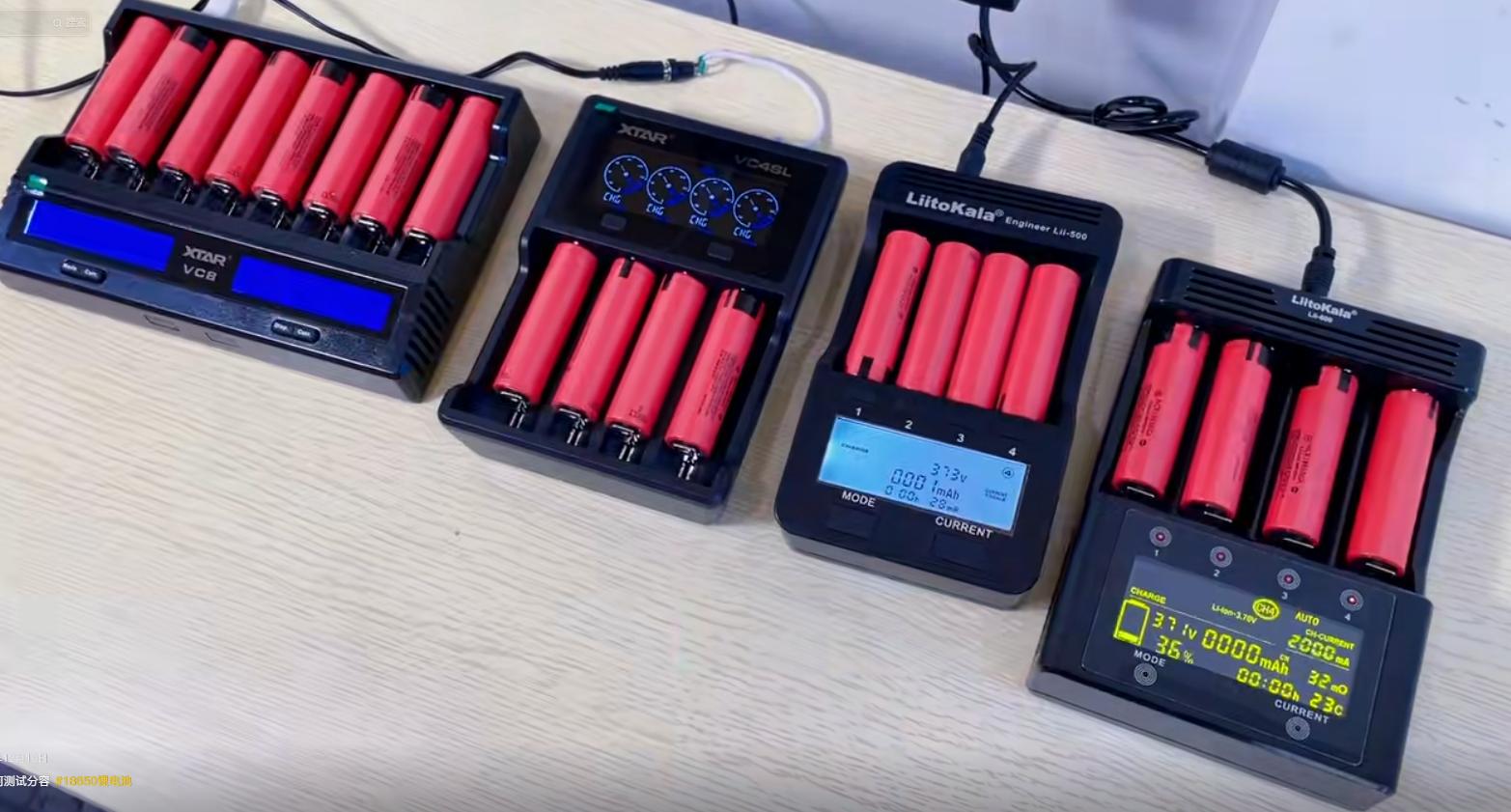
The first time I held 18650 cell, I remember thinking it looked surprisingly ordinary. Just a small metal cylinder, not much bigger than a finger.
Then someone pointed at a rack of several thousand identical cells waiting to become battery packs for industrial equipment.
That was the moment it clicked. The individual cell is small, but the decisions behind it can affect an entire product line.
The numbers in “18650” are less mysterious than people think
New buyers sometimes assume the name refers to capacity or chemistry.
It doesn’t.
The code simply describes the approximate dimensions: around 18 mm in diameter and 65 mm in length, with a cylindrical shape. Once you know that, product catalogs suddenly make a lot more sense.
Of course, two cells with the same size can behave very differently. One might prioritize higher energy storage, while another is designed to deliver stronger discharge performance for demanding equipment.
That difference is easy to overlook if you only compare labels.
Bigger capacity is nice… until it isn’t
A conversation with an equipment designer sticks with me.
He said, “People always ask for the highest mAh available. Almost nobody asks whether they actually need it.”
It sounded funny at first, but he had a point.
In many projects, pushing for maximum capacity may involve trade-offs in discharge characteristics, thermal behavior, or expected cycle life. A balanced design often performs better than simply chasing the biggest number printed on the specification sheet.
For warehouse scanners, portable instruments, or inspection devices, consistency across hundreds of units can matter more than squeezing out a little extra runtime.

Why this format has stayed around for so long
Battery technology keeps evolving. New cylindrical formats appear, and larger cells attract attention because they can reduce assembly complexity.
Yet 18650 cells continue to show up in surprising places.
You’ll find them in:
- Portable medical equipment
- Flashlights and emergency lighting
- Industrial monitoring systems
- Energy storage modules
- Robotics
- E-bikes and mobility products
- Portable test instruments
- Consumer electronics
- Backup power solutions
Part of the reason is simple familiarity. Engineers already understand how these cells behave, manufacturers have mature production processes, and pack designers know how to integrate them into different configurations.
Sometimes reliability wins over novelty.
Looking inside tells a different story
From the outside, one cylindrical cell resembles another.
Inside, however, there is a tightly wound structure of electrodes, separator materials, and electrolyte arranged to balance energy density, heat management, and electrical performance.
Small manufacturing differences can influence how evenly the cell ages over hundreds or even thousands of cycles.
That’s one reason experienced OEM buyers ask about process control and batch consistency instead of focusing only on rated capacity.
I’ve noticed experienced purchasers ask unusual questions
Not “What’s your biggest capacity?”
More like:
- Can you supply the same specification six months from now?
- How much variation exists within one production batch?
- Do you record internal resistance before shipment?
- Can cells be matched for custom battery pack assembly?
- What quality checks happen before export?
Those questions don’t sound exciting, but they often reveal whether a supplier is prepared for long-term cooperation.
The comparison with newer formats isn’t as one-sided as online discussions suggest
There’s a tendency on forums to assume that larger cylindrical cells automatically replace 18650 designs.
Reality feels more mixed.
Larger formats may reduce the number of cells required in a battery pack and simplify certain manufacturing steps. On the other hand, 18650 battery cells offer design flexibility, broad availability, and years of engineering experience behind them.
For many OEM projects, redesigning an existing platform simply to change cell size may not provide enough benefit to justify the engineering effort.
So both approaches continue to exist, depending on application priorities.

A small issue can become a very expensive one
Imagine an assembly line building 5,000 portable inspection devices.
If only a handful of battery cells show abnormal voltage behavior, technicians may spend hours tracing faults that appear unrelated at first.
Now multiply that across warranty claims, field replacements, shipping costs, and customer support.
Suddenly the cheapest quotation doesn’t look quite so attractive.
That’s why many manufacturers carry out incoming inspections or random sample testing before committing an entire shipment to production.
Wholesale buyers usually evaluate more than price
From conversations with sourcing teams, several factors appear repeatedly:
- Stable supply across multiple orders
- Consistent electrical performance
- Support for OEM or custom battery pack projects
- Documentation for transportation and compliance
- Reliable communication during technical discussions
- Ability to maintain quality at production scale
Interestingly, price often moves lower on the priority list once long-term manufacturing plans enter the picture.

There’s probably no “perfect” 18650 cell
Different projects ask for different things.
A solar storage module may prioritize long cycle life.
A high-drain power tool values current delivery.
A medical instrument may emphasize consistency and traceability.
Trying to optimize every characteristic at once usually leads nowhere. The better approach is matching the cell to the application instead of chasing the most impressive specification sheet.
That sounds obvious, but in practice it’s a lesson many buyers learn only after a few projects.
-

12V 4400 mah Lithium ion 3S2P 18650 Battery Pack
-

18650 2000mAh 3.7 volt Lithium-ion Battery
-

18650 20V 3.0Ah Cordless Drill battery
-

18650 22.2V 7.8Ah 2600Mah 6S3P Rechargeable Battery Pack
-

18650 2600mAh Rechargeable Lithium-Ion Battery 3.7V
-

18650 3.7V 10Ah Li-Ion Power Battery Pack
-

18650 3.7V 3300mah Rechargeable Lithium ion Battery
-

18650 7S7P 24V 14Ah Lithium ion Electric Scooter Battery Pack
-

18650 battery 3.7V 1500mAh Lithium-Ion Battery
-

18650 Battery 3500 mah Rechargeable Battery Cells
-

18650 Electric Scooter 48V 13000mAh Lithium Battery
-

2600mAh 3S1P 11.1V 18650 Battery Packs
-

3.7V Li ion Rechargeable 3000mah 18650 Battery Cell
-

36V 5200mAh 10S2P 18650 Battery Pack
-

48v 4400mah 13S2P 18650 Rechargeable Battery Pack
-

7S2P 24V 18650 Lithium Battery Pack
-

Electric Scooter 36V 4400mAH 10S2P 18650 Battery Pack
-

ICR 18650 Battery 2200mah 3.7V
Leave a Reply